
WASHINGTON—President Donald Trump and his team shared more details this week about their oversight plan for Venezuela following the ousting of regime leader Nicolás Maduro.
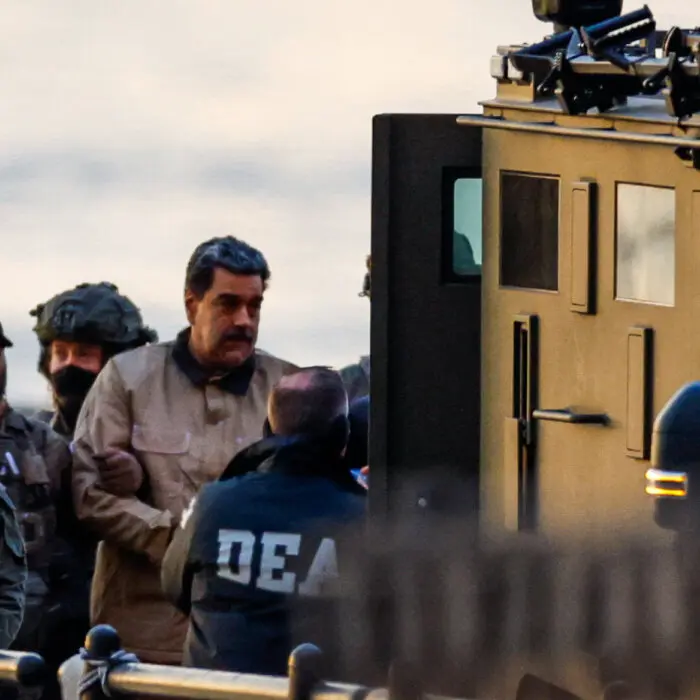
After being captured in Caracas by the U.S. military, Maduro and his wife Cilia Flores were transferred to New York City on Jan. 3 and are currently being held in jail. At their first court appearance on Jan. 5, both pleaded not guilty to federal charges that include drug trafficking and collaborating with gangs designated as terrorist organizations. Maduro told the court that he is still the president of his country and that he was kidnapped.
On that same day, Venezuela’s parliament swore in Delcy Rodríguez, Maduro’s vice president, as acting president.
Long-Term US Oversight
Trump’s plan for U.S. oversight of Venezuela will unfold in three main phases and may span several years.Secretary of State Marco Rubio told reporters on Jan. 7 that the first priority is to stabilize Venezuela. During this process, the United States will continue to apply economic pressure to prevent the country from descending into chaos.
The second phase will focus on recovery, which means opening the Venezuelan market to American and Western companies. It also involves granting amnesty to opposition leaders and releasing political prisoners. The final step, Rubio said, would be a transition of power.
Venezuela to Buy US-Made Goods
Trump announced on Jan. 7 that Venezuela’s interim government has agreed to purchase U.S. goods and recognize the United States as a principal partner. This marks a significant shift from an era of heavy sanctions and strained relations under Maduro.These purchases will include American farm products, medicines, medical devices, and equipment to help improve Venezuela’s electric grid and energy facilities.
Money From Venezuelan Oil
The Trump administration expects the United States to extract oil from the country’s rich reserves and to control the global distribution of that oil for the foreseeable future.The administration outlined its strategy on Jan. 7, stating that all proceeds from oil sales will be controlled by the U.S. government and distributed for the benefit of the Venezuelan and American people. The administration is now selectively removing sanctions on Venezuelan oil to allow its export and sale in global markets.
Rubio said that the oil will be sold at market rates rather than the discounted prices offered in the past. He added that the money will not go to the regime or support corruption.
Trump told The New York Times that he plans to rebuild Venezuela “in a very profitable way.”
“We’re going to be using oil, and we’re going to be taking oil,” he said, noting this would help lower global oil prices while returning the money to Venezuelans, “which they desperately need.”
Trump is relying on large U.S. oil companies to rebuild the country’s crumbling oil infrastructure, and he’s expected to hold a meeting with the sector’s executives on Jan. 9.
Cooperation With the Interim Government
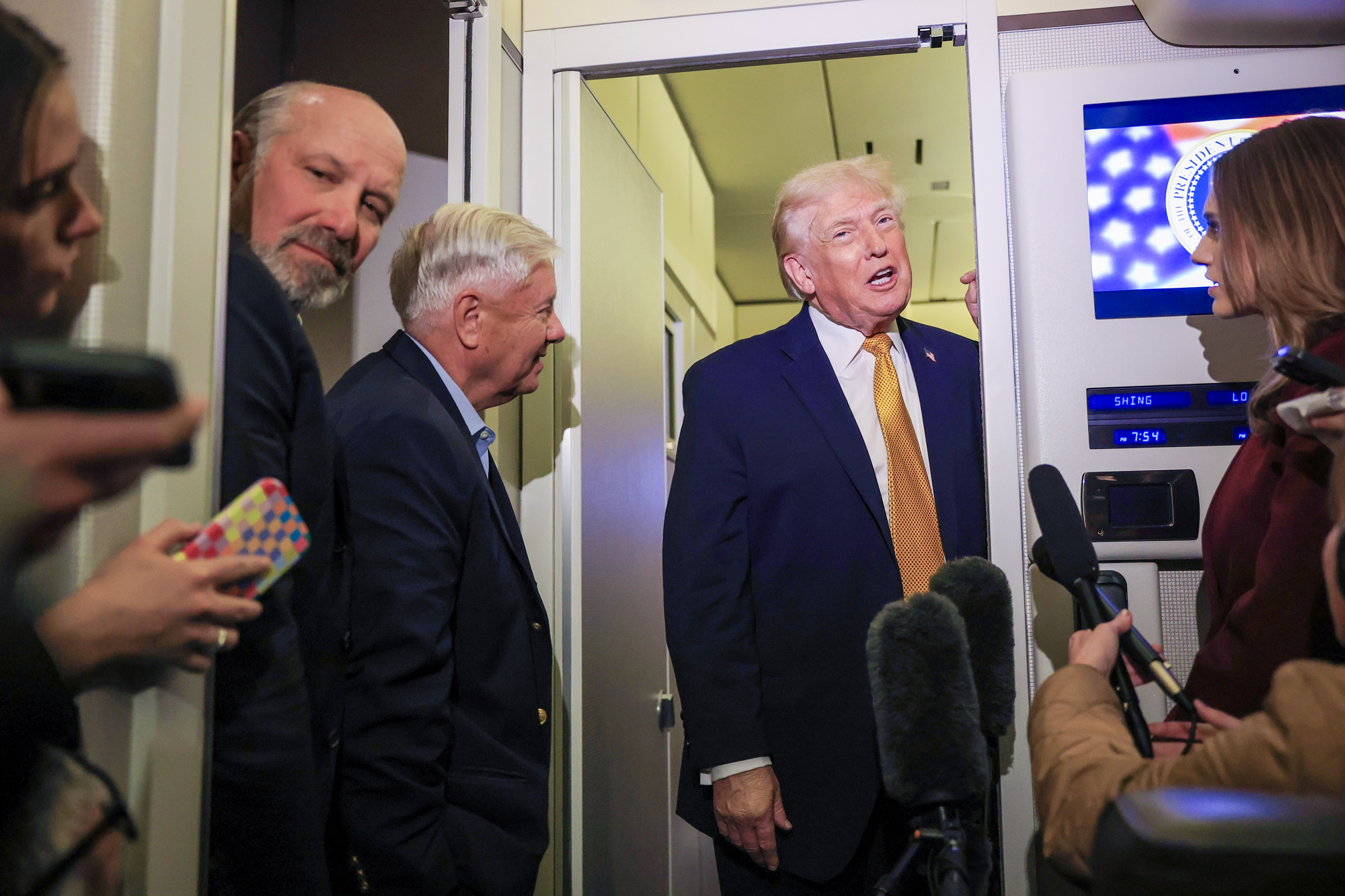
Trump indicated that Venezuela’s interim government, led by Rodríguez, is fully cooperating with the United States.The interim government is “giving us everything that we feel is necessary,” Trump told The New York Times, adding that his team is “in constant communication with her and the administration.”
On Jan. 5, Venezuela’s parliament swore in Rodríguez as acting president.
Before she took office, Trump warned that Rodríguez will have to comply with U.S. demands, or “she will face a situation probably worse than Maduro.”