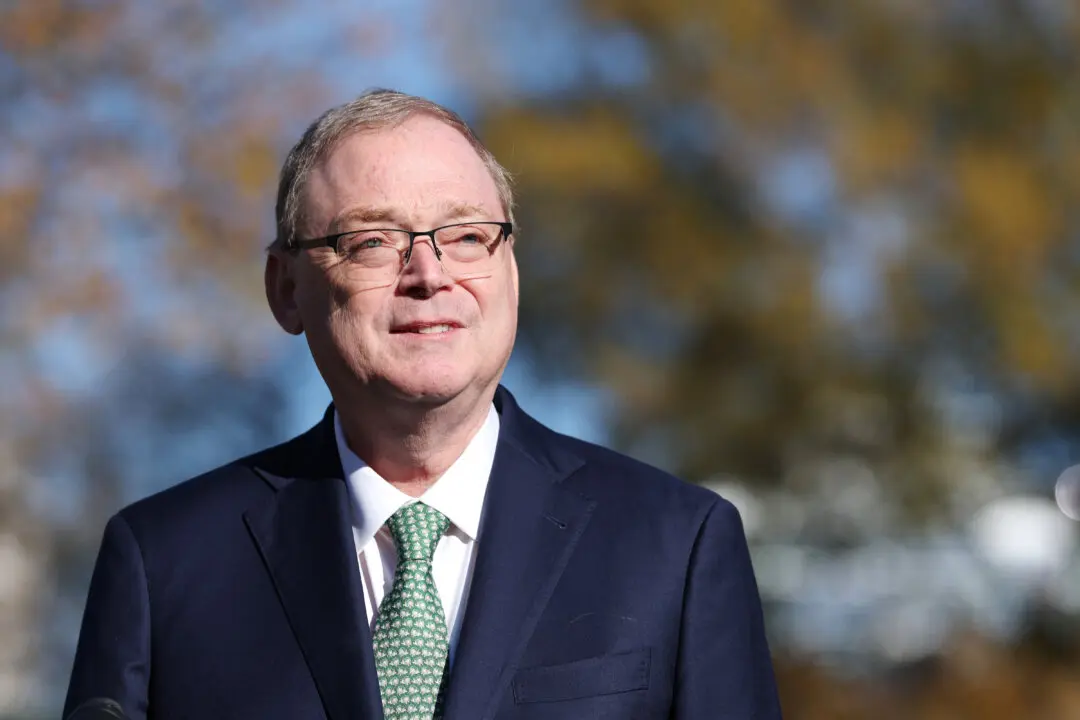
President Donald Trump said on Dec. 8 that he will sign an executive order this week to establish a single federal rulebook for artificial intelligence (AI) and limit the authority of individual states to regulate the fast-advancing technology, saying the move is necessary to ensure the United States continues to lead the global AI race.
Trump said that AI will be “destroyed in its infancy” if states wield the regulatory power to require AI companies to get separate approvals in each jurisdiction.
The upcoming order is the administration’s strongest step so far to consolidate federal power over AI governance and comes after months of pressure from leading developers and investors, including OpenAI, Google, Meta, and venture capital firm Andreessen Horowitz, to replace what they describe as a patchwork of state laws with uniform national standards.
White House AI Strategy
Trump did not release specifics, but the move aligns with steps the White House has already taken to limit the influence of state-level AI rules. The United States’ AI Action Plan, released by the federal government in July, urges federal agencies to deny AI-related funding to states with burdensome regulations while acknowledging state-level regulatory authority more generally.“AI is far too important to smother in bureaucracy at this early stage,” the action plan states. “The Federal government should not allow AI-related Federal funding to be directed toward states with burdensome AI regulations that waste these funds, but should also not interfere with states’ rights to pass prudent laws that are not unduly restrictive to innovation.”
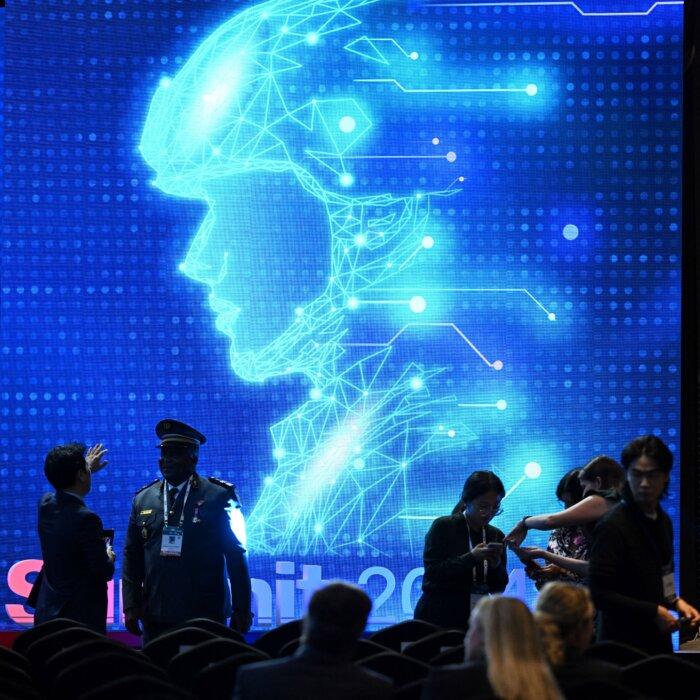

The plan envisions major investments in data-center infrastructure, energy generation, semiconductor manufacturing, federal AI adoption, and export-oriented AI diplomacy, while also seeking to counter Chinese influence.
‘Federal Government Overreach’
Trump’s announcement of a forthcoming “One Rulebook” AI order could intensify tensions between Washington and state governments that have either passed or are considering passing laws aimed at protecting residents from AI harms such as deepfakes, online harm to children, and unauthorized political manipulation.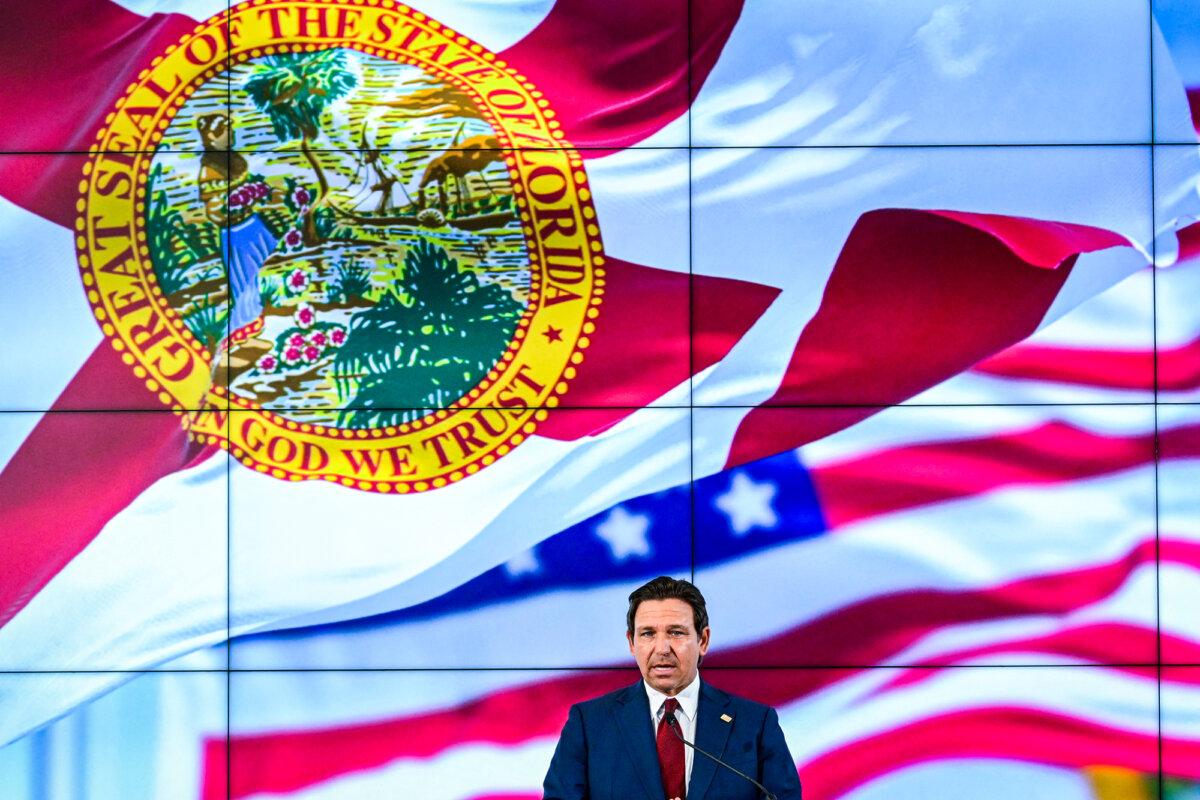
Officials from the Democratic Party have made similar arguments.
When Trump urged Congress last month to ban state AI regulations through the annual defense bill, North Carolina Attorney General Jeff Jackson said lawmakers “can’t fail to create real safeguards and then block the states from stepping up.”
In July, the Senate voted 99–1 to strip a proposed 10-year cap on state and local AI regulation from the One Big Beautiful Bill Act.
Trump’s call to limit state-level AI regulatory powers also comes amid concerns about AI safety.

The Alliance for Secure AI, a nonprofit that advocates for AI safety, has expressed opposition to Trump’s proposed executive order to preempt state AI legislation.