President Donald Trump has pardoned Michelino Sunseri, a record-setting mountain runner prosecuted for briefly stepping off a designated trail while setting a speed record on Wyoming’s Grand Teton. The case drew national attention to what legal experts describe as the overcriminalization of minor regulatory offenses.
In confirming that Trump signed the pardon, a White House official told The Epoch Times in an emailed statement that Sunseri’s case is a “prime example of excessive prosecution” and an example of regulatory overreach that burdens everyday Americans.
Sunseri was convicted in September 2024 of a petty regulatory offense after taking a brief detour off an official trail while setting a new fastest-known time up and down the Grant Teton summit, an iconic 13-mile route in Grand Teton National Park. Days after his record-setting run, Wyoming-based federal prosecutors charged him with violating a rule that forbids leaving a designated trail or walkway.
From Record Run to Federal Prosecution
Sunseri set the Grand Teton record on Sept. 2, 2024, climbing and descending the 13,775-foot peak in 2 hours, 50 minutes, and 50 seconds, nearly three minutes faster than the previous mark. The 13-mile route features more than 7,000 feet of vertical gain and exposed scrambling where a slip can lead to a thousand-foot fall.
The Fight Against Overcriminalization
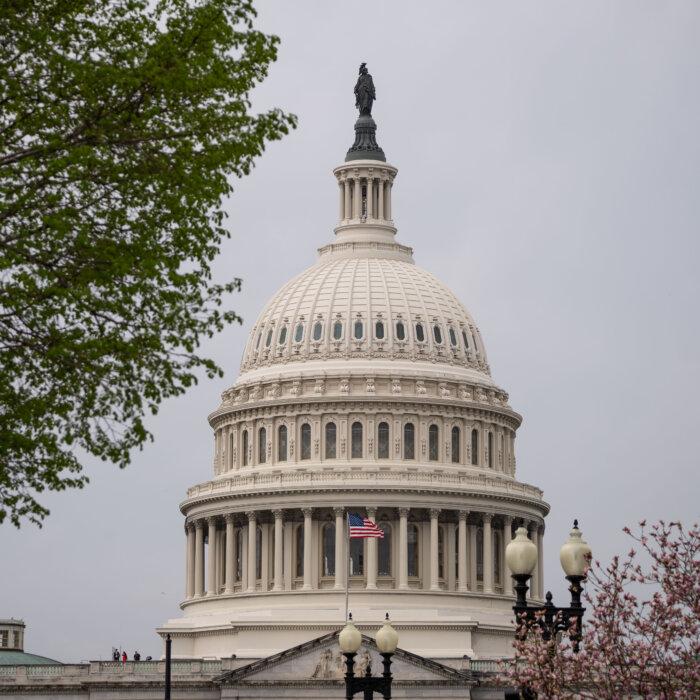
The controversy reached Congress, where Reps. Andy Biggs (R-Ariz.) and Harriet Hageman (R-Wyo.) sent a letter to the U.S. Attorney’s Office for the District of Wyoming describing the case as “a prime example of the problem of overcriminalization.” The lawmakers questioned whether the prosecution was consistent with Trump’s May 2025 executive order, “Fighting Overcriminalization in Federal Regulations.”Trump’s order directs agencies to review all criminally enforceable rules and limit prosecution to cases involving clear intent or significant harm.
“The purpose of this order is to ease the regulatory burden on everyday Americans and ensure no American is transformed into a criminal for violating a regulation they have no reason to know exists,” Trump wrote.
The White House official told The Epoch Times that the presidential pardon is consistent with the principles outlined in that order, which aims to curb the use of criminal penalties for technical or low-harm regulatory violations.
“This case is a perfect example of overregulation and burdening the health and freedom of everyday Americans who simply wanted to enjoy the outdoors and beauty of our nation,” the official said.
Sunseri acknowledged the pardon with gratitude and disbelief.
PLF attorney Michael Poon said that the group is thrilled by Trump’s pardon but that the fight against regulatory overreach continues.
The Epoch Times reached out to the U.S. Attorney’s Office for the District of Wyoming for comment on the pardon and the criticism over the prosecution, but did not receive a response by publication time.