President Donald Trump has taken action against Russian leadership as Moscow continues to rebuff international calls for a cease-fire in Ukraine.
Trump is looking to arm Ukraine with additional defensive weapons and has endorsed a plan to hammer Moscow with new sanctions until Russia comes back to the negotiating table in good faith.
This follows a series of intensive Russian attacks against urban centers in Ukraine over the past week, and a wide-ranging phone call with Russian President Vladimir Putin, which Trump said did not yield any progress.
Call With Putin a Turning Point
Trump’s increasing commitment to furnish Ukraine with the weapons it needs to defend itself follows a July 4 call with Putin. The call was the sixth such conversation between the two leaders since Trump returned to office in January.No progress toward a cease-fire was made on the call, however, and Trump told reporters afterward that he was “very disappointed” with the conversation.
What’s more, something about the conversation appeared to convince Trump that Putin was not interested in cease-fire negotiations at all.
“I don’t think he’s looking to stop,” Trump said of Putin.
Just days later, on July 9, Russia launched an even larger attack that struck targets in civilian centers in Ukraine. That attack incorporated more than 700 drones, mostly provided by Iran, and more than a dozen ballistic missiles.
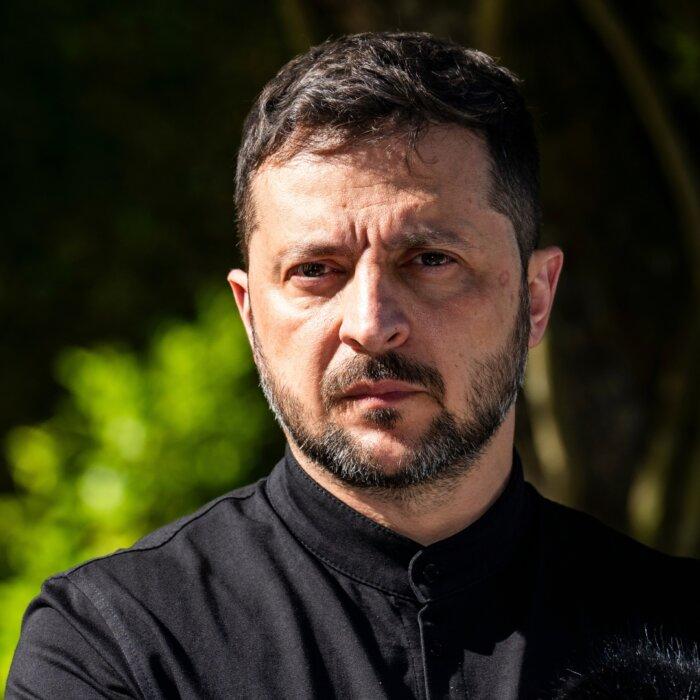
From what’s been made public of the call, Trump and Zelenskyy discussed how to best strengthen Ukraine’s air defenses to prevent further civilian casualties, as well as the possibility of a future joint weapons venture.
Trump Open to Sending Ukraine More Weapons
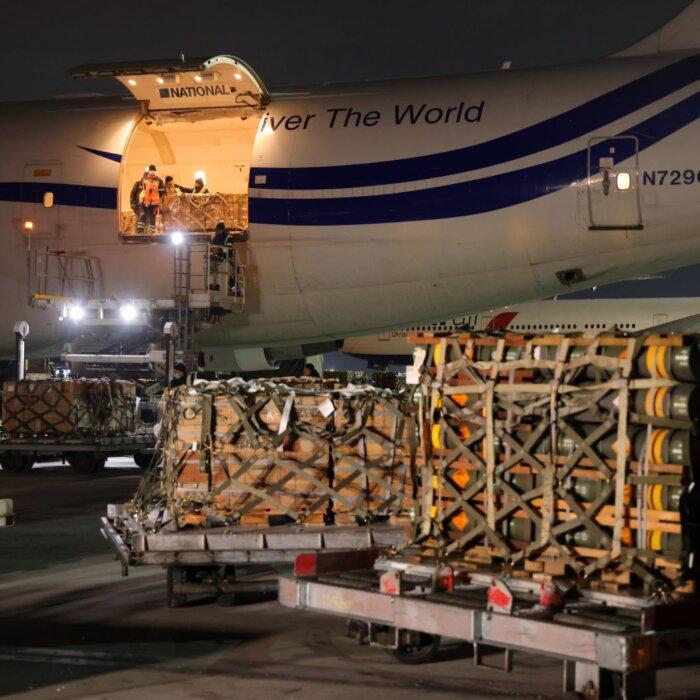
Trump has since expressed some support for sending Ukraine additional weapons, including more Patriot air defense systems, which are crucial to Kyiv’s capacity for intercepting Russian missiles.Trump said on July 8 that Putin was “not treating human beings right” and that Ukraine needed to have the ability to defend itself from Russian aggression.
“It’s killing too many people, so we’re sending some defensive weapons to Ukraine, and I’ve approved that,” Trump said.
That pause prevented the planned shipment of several key weapons platforms to Ukraine, including guided rocket systems, anti-armor missiles, and howitzer rounds.
The Pentagon has since begun delivering more weapons to Ukraine. It is unclear at this time whether the Patriot system is among them.
New Sanctions Against Russia and Its Partners Likely
Trump has also endorsed a Senate bill to impose new sanctions on Russia’s oil industry in an effort to push Putin back to talks.If passed, the bill could have wide-reaching consequences for Russia’s key economic partners, including China and India.
Majority Leader John Thune (R-S.D.) said that the bill had strong bipartisan support and would “enhance President Trump’s leverage at the negotiating table and help end the bloodshed in Ukraine.”
“Senate Republicans are committed to working with the House and White House to get this legislation through Congress and onto the president’s desk,” Thune said.
Trump has long threatened to further sanction Russia’s oil industry but has thus far held off. His support for the new bill signals a fundamental shift in strategy regarding Russia.
It also comes as the administration contends with Russia’s growing ties to other adversarial nations, including China, Iran, and North Korea.
North Korean state-owned media announced on July 9 that Russian Foreign Minister Sergey Lavrov will travel to North Korea for a three-day visit to further strengthen ties between Moscow and Pyongyang.
North Korea has sent thousands of combat troops and massive amounts of munitions to Russia to assist in its war effort, which Pyongyang considers a proxy war against the United States and its allies.
Whether Russia is feeling any greater need to engage in dialogue now that Trump is signaling a willingness to back Ukraine more firmly remains an open question.
Speaking to reporters on July 9, Kremlin spokesman Dmitry Peskov said that Trump often used “a tough style” when speaking but could probably still be negotiated with.
“We hope to continue our dialogue with Washington and our course aimed at repairing the badly damaged bilateral ties,” Peskov said.