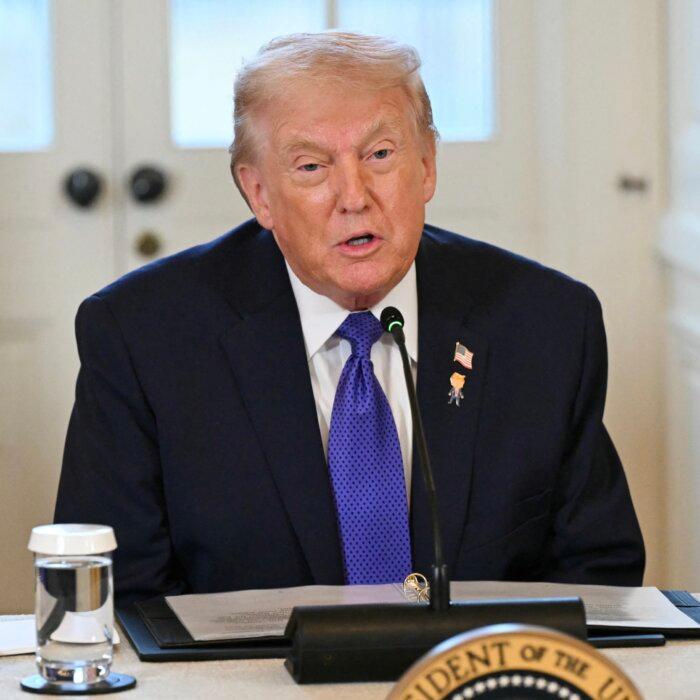
President Donald Trump said on Jan. 9 that he would call for a one-year cap on credit card interest rates of 10 percent, potentially starting later this month, although its enforcement will depend on Congress.
“AFFORDABILITY! Effective January 20, 2026, I, as President of the United States, am calling for a one year cap on Credit Card Interest Rates of 10 [percent],” the president wrote.
The cap’s proposed start date is the anniversary of Trump’s second-term inauguration and, if implemented, would fulfill a 2024 campaign pledge.
“If enacted, this cap would only drive consumers toward less regulated, more costly alternatives. We look forward to working with the administration to ensure Americans have access to the credit they need,” the statement reads.

Enforcement of the interest rate cap remains uncertain, given that the administration requires authorization from Congress to proceed.
There have been some legislative efforts in Congress to pursue such a proposal, but they have yet to become law. In his post, the president did not offer explicit support to any specific bill.
According to the senators, credit card companies earned about $130 billion in interest and fees in 2022, and they said the average U.S. household with credit card debt carried more than $21,000 of it as of 2023.
“We cannot continue to allow big banks to make huge profits ripping off the American people. This legislation will provide working families struggling to pay their bills with desperately needed financial relief.”
In the same statement, Hawley said the proposed legislation aligns with Trump’s 2024 election pledge, adding that the cap will provide “meaningful relief” to working Americans.
In 2025, the Trump administration asked a federal court to throw out a CFPB rule capping credit card late fees at $8, saying it agreed with business and banking groups that alleged the rule was illegal. A federal judge subsequently threw out the Biden-era rule.
The Epoch Times reached out to the White House for comment and did not receive a response.