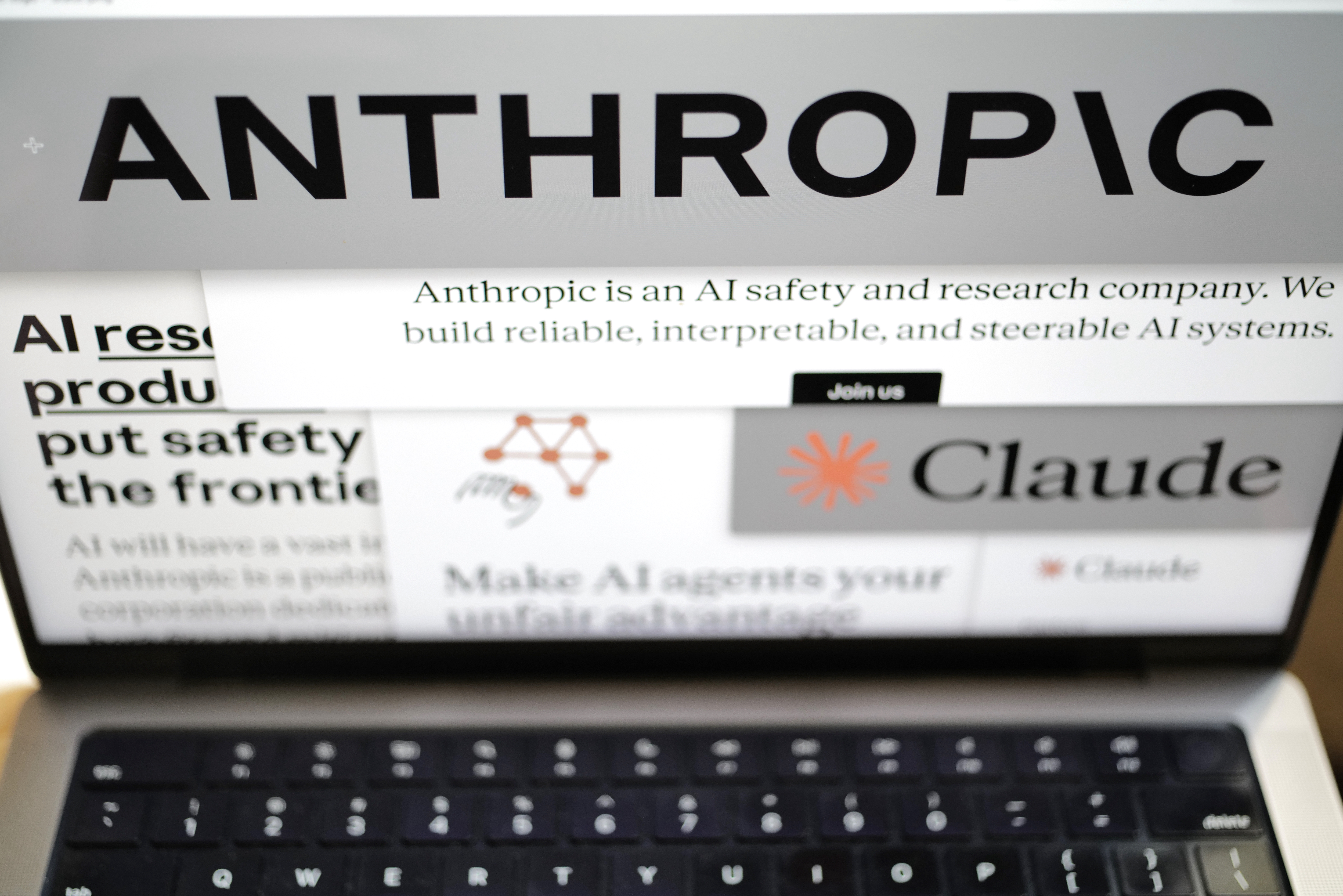

After the two sides failed to reach an agreement, Secretary of War Pete Hegseth also directed his department to designate the company a supply-chain risk to national security.
The Department of War had given Anthropic until 5:01 p.m. ET on Friday to agree to open its artificial intelligence for “all lawful purposes,” but Trump’s announcement came roughly an hour before that.
Dispute Over AI Use
The disagreement came to a head this week when the Pentagon gave an ultimatum to Anthropic: Allow use of the company’s model for “all lawful purposes” or lose its government contract and be labeled a national security risk.Besides the provision for “all lawful purposes,” it’s unclear what exactly the Pentagon was requesting and the specific terms that prompted disagreement between the two sides.

Amodei said that while he supported the use of AI for foreign intelligence missions, he thought mass domestic surveillance was incompatible with democratic values. He also expressed concern that AI systems were not reliable enough to support fully autonomous weapons, which select and engage targets without human intervention.

On social media, Parnell said the military had “no interest in using AI to conduct mass surveillance of Americans (which is illegal) nor do we want to use AI to develop autonomous weapons that operate without human involvement.”
“What we are talking about is allowing our warfighters to use AI without having to call [Amodei] for permission to shoot down an enemy drone swarms that would kill Americans,” Michael stated.
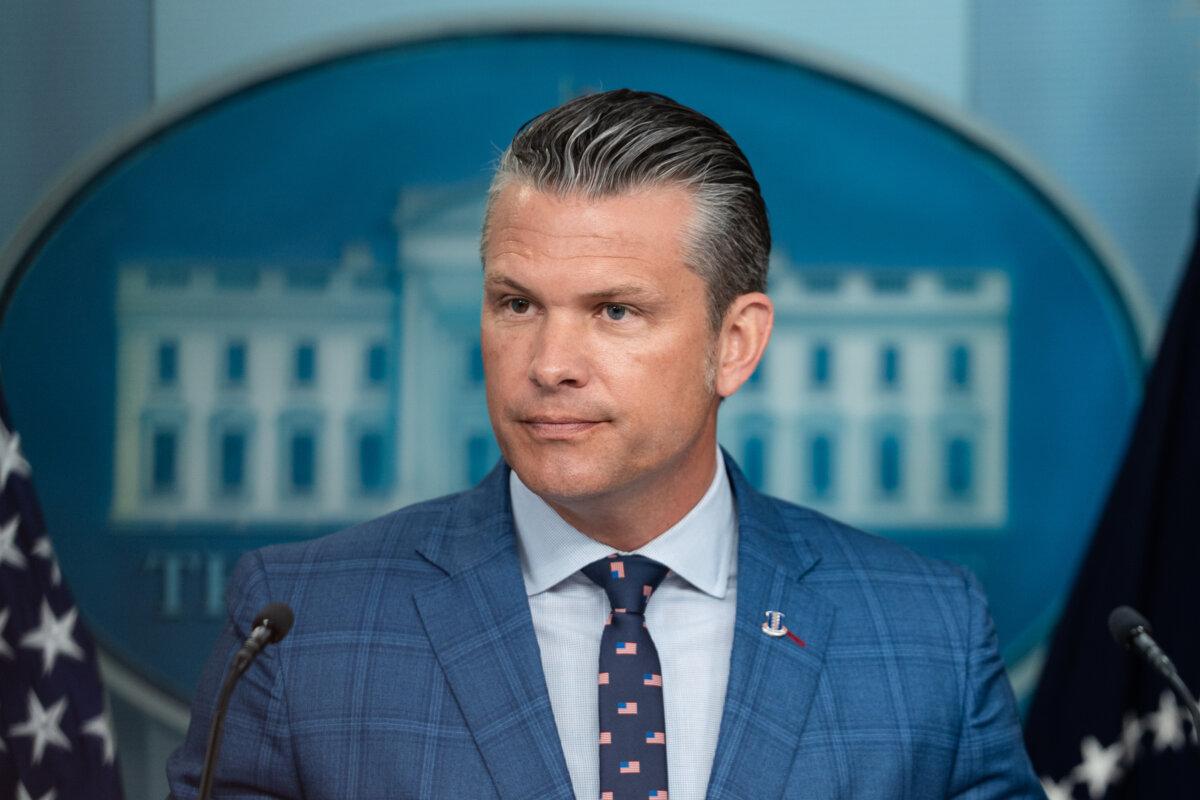
Hegseth said in a social media post on Feb. 27 that his department must have full access to Anthropic’s models for “lawful purposes” to defend the country. In designating the company a supply chain risk, the war secretary said that no contractor, supplier, or partner with the U.S. military may conduct any commercial activity with Anthropic.
In a subsequent statement, Anthropic said it would challenge the designation in court. “No amount of intimidation or punishment from the Department of War will change our position on mass domestic surveillance or fully autonomous weapons,” it said.
Impact of Administration’s Actions
The administration’s decision could have widespread impacts as the Claude bot is extensively deployed across Hegseth’s departments and other American security agencies.Anthropic indicated the impact would be relatively limited, however, saying that for Department of War contractors, the designation would only impact use of Claude on government work.
Hegseth said the company would ensure a seamless transition over a six-month period to a “more patriotic provider.”
The future for Anthropic and the Department of War remains unclear, but shortly after Hegseth’s announcement, OpenAI founder Sam Altman said he reached an agreement with the department.
Debate Over Safety
Critics, including Democratic lawmakers, criticized the Trump administration over the Anthropic dispute, saying the federal government was demanding too much.Hegseth, meanwhile, accused the company of delivering “a masterclass in arrogance and betrayal.” The company tried to seize veto power over operational decisions, the war secretary alleged.
He said that “America’s warfighters will never be held hostage by the ideological whims of Big Tech.”
“This decision is final.”
The president accused the company of endangering national security and being selfish in its disagreement with the terms.
Trump said the company’s officials “have made a DISASTROUS MISTAKE trying to STRONG-ARM the Department of War, and force them to obey their Terms of Service instead of our Constitution.”