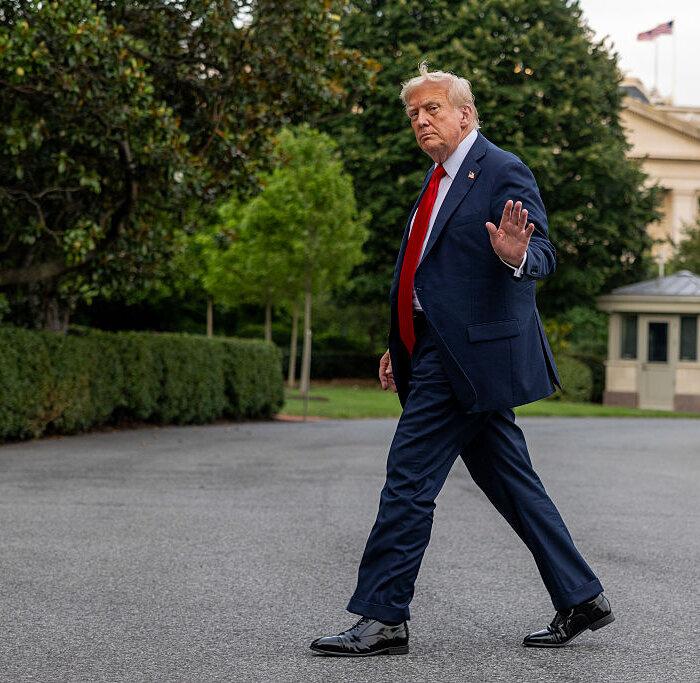
With an Aug. 1 deadline approaching, the United States has reached a trade agreement with Japan, U.S. President Donald Trump announced on social media on July 22.
“We worked on it long and hard, and it’s a great deal for everybody. A lot different from the deals in the past, I can tell you that,” Trump said.
Across his political career, Trump has often criticized the trade arrangements between the United States and its allies, among them Japan.
As a part of the deal, Japan will open to U.S. trade on items such as cars and trucks, rice, other agricultural products, and “other things.”
The East Asian nation will also pay reciprocal tariffs to the United States at a rate of 15 percent. Trump had threatened an increase to 25 percent if Japan didn’t come to an agreement before the Aug. 1 deadline.
Industry and government officials with knowledge of the agreement said the deal gives Japan one major win, lowering the tariff on Japanese automobiles by 10 percent, cutting the rate from 25 percent to 15 percent. Japanese cars include some of the most popular manufacturers in the United States, including companies such as Toyota, Honda, and Nissan.
Japan will invest $550 billion in the United States, which will receive 90 percent of the profits from those investments, according to Trump.
“This Deal will create Hundreds of Thousands of Jobs—There has never been anything like it,” he wrote.
“This is a very exciting time for the United States of America, and especially for the fact that we will continue to always have a great relationship with the Country of Japan.”
The trade deal comes as Japan faces an uncertain political future.
On July 23, Ishiba acknowledged the trade deal, saying it would benefit both nations.
It’s unclear what’s next for the politically split government following the deal.
At a July 22 dinner, Trump said negotiations with the European Union would be held in Washington on July 23.
“We have Europe coming in tomorrow, the next day,” Trump told guests.
US–Indonesian Trade Agreement
Earlier on July 22, following through on last week’s announcement, Trump confirmed the details of the U.S.–Indonesia trade agreement.Under the deal, Indonesia will lower tariffs to zero percent on 99 percent of U.S. exports and eliminate non-tariff barriers, the president said in a Truth Social post on July 21.
Indonesian products entering the United States will be subject to a reciprocal tariff rate of 19 percent, down from the previously announced blanket rate of 32 percent.
Indonesia will also supply the United States with precious critical minerals and purchase American farm products, energy, and Boeing aircraft.
“This deal is a huge win for our automakers, tech companies, workers, farmers, ranchers, and manufacturers,” Trump said.
The deal also removes import restrictions and licensing agreements and establishes measures to resolve long-standing intellectual property issues. The two sides will also finalize commitments on digital trade, services, and investment.
Indonesia will, as part of the trade deal, implement a ban on forced labor imports and eliminate rules that restrict unions and collective bargaining rights.
The agreement is projected to be worth approximately $50 billion to the United States, the White House confirmed.
Leaders from Indonesia agreed to several significant commitments, including the removal of pre-shipment inspections, exemption from local content requirements for U.S. firms, and acceptance of U.S. federal motor vehicle safety standards.
The deal will also include transshipment rules to ensure that China does not exploit the agreement’s benefits.
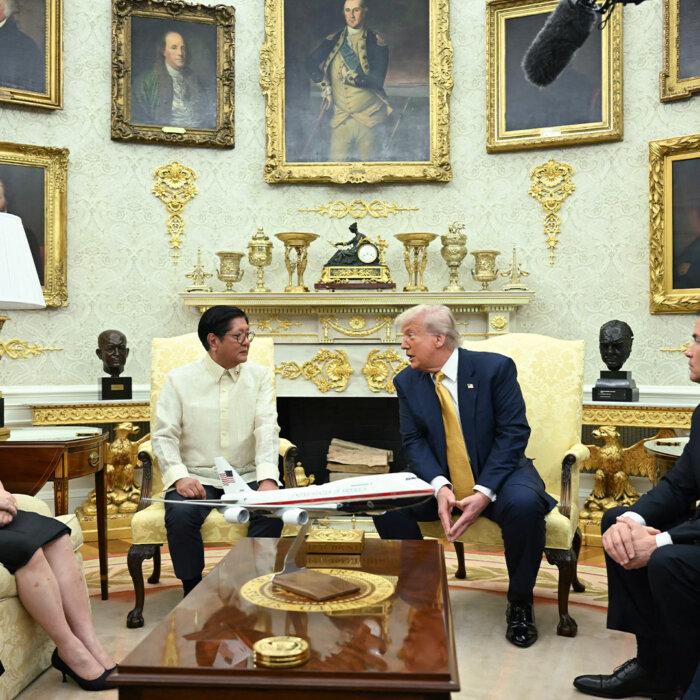
US Finalizing Deal With the Philippines
The latest details of the U.S.–Indonesia trade agreement come as Trump confirmed that the Philippines is next in line to finalize a deal.“It was a great honor to be with the president. He is highly respected in his country, as he should be. He is also a very good, and tough, negotiator. We extend our warmest regards to the wonderful people of the Philippines!” Trump wrote on Truth Social.
Next Up: China
Treasury Secretary Scott Bessent said on July 22 that the Aug. 12 trade deadline with China is likely to be extended.“So I think we’ve actually moved to a new level with China, where it’s very constructive. We’re going to be able to get a lot of things done, now that trade has kind of settled in at a good level.”
Bessent also noted that the administration wants to discuss sanctioned Iranian and Russian crude oil and slow the “glut of manufacturing that they’re doing and concentrate on building a consumer economy.”