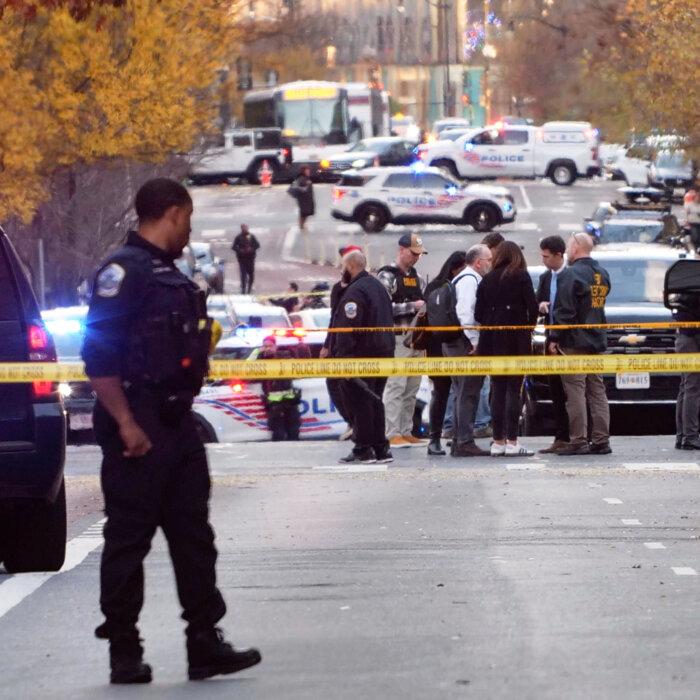
The accused assailant, Rahmanullah Lakanwal, was admitted into the United States for humanitarian relief after the Taliban’s takeover of Afghanistan in 2021.
The incident prompted President Donald Trump to call for new restrictions on legal immigration to the United States, which were followed by more specific announcements by U.S. Citizenship and Immigration Services (USCIS) about steps it would take. The measures could affect millions of foreign nationals who are lawfully present in the United States and who may have their lawful status reviewed, revoked, or otherwise affected.
What Trump Said
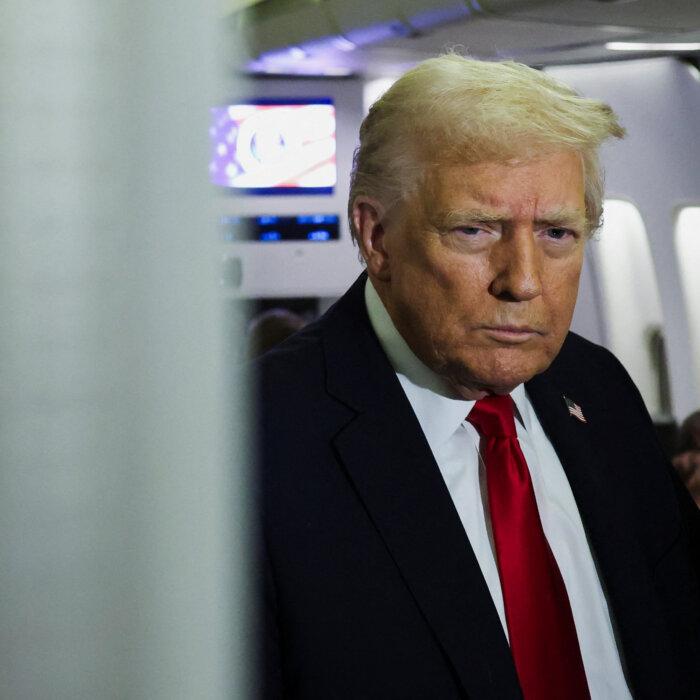
Immediately after the shooting, the president delivered remarks to the nation in a videotaped message, in which he called for a review of the status of Afghan nationals granted entry to the United States during President Joe Biden’s administration and for more general efforts against allegedly “anti-American” foreign nationals.“We must take all necessary measures to ensure the removal of any alien from any country who does not belong here, or [does not] add benefit to our country. If they can’t love our country, we don’t want them.”
“The official United States Foreign population stands at 53 million people (Census), most of which are on welfare, from failed nations, or from prisons, mental institutions, gangs, or drug cartels. They and their children are supported through massive payments from Patriotic American Citizens,” Trump wrote.
“[The] refugee burden is the leading cause of social dysfunction in America, something that did not exist after World War II ... As an example, hundreds of thousands of refugees from Somalia are completely taking over the once great State of Minnesota. Somalian gangs are roving the streets looking for ‘prey’ as our wonderful people stay locked in their apartments and houses hoping against hope that they will be left alone.”
What Is to Be Done
So far, two immigration policy steps have been announced by the Trump administration in the wake of the shooting.On Nov. 28, USCIS announced that it would stop processing all asylum requests until further notice, which affects nearly 1.4 million people who have filed “affirmative” asylum applications with USCIS. “Affirmative” asylum means that an alien is requesting asylum in a non-punitive setting and not in a deportation proceeding to avoid removal from the country.
Another step has been to enhance the review of applicants from 19 “high-risk” countries for immigration benefits. Edlow announced this policy update on Nov. 27, one day after the shooting.
The proclamation, however, did not apply to nationals of these countries who are already in the United States for other valid reasons. Edlow’s directive will affect them should they seek to apply for discretionary benefits that USCIS normally issues to grant people status, such as adjustment of status from being a non-immigrant to a lawful permanent resident, change of non-immigrant status from one class of admission to another, and extensions of non-immigrant status.
Debates on Legal Immigration Reform
Conservatives, both generally and in the Trump administration, have long argued for more restrictions on legal immigration.The shooting on Nov. 26 has spurred calls for more screening or restrictions for legal immigration. It remains unclear whether or not the Trump administration will pursue them.
Trump has voiced nuanced views on the subject, particularly given his recent support for H-1B status issuances to foreign nationals, which have been frequently used by major U.S. tech companies.
Republican gubernatorial candidate Vivek Ramaswamy (R-Ohio) posted on social media on Dec. 26, 2024: “Our American culture has venerated mediocrity over excellence for way too long. ... I know *multiple* sets of immigrant parents in the 90s who actively limited how much their kids could watch those TV shows precisely because they promoted mediocrity ... and their kids went on to become wildly successful STEM graduates.”