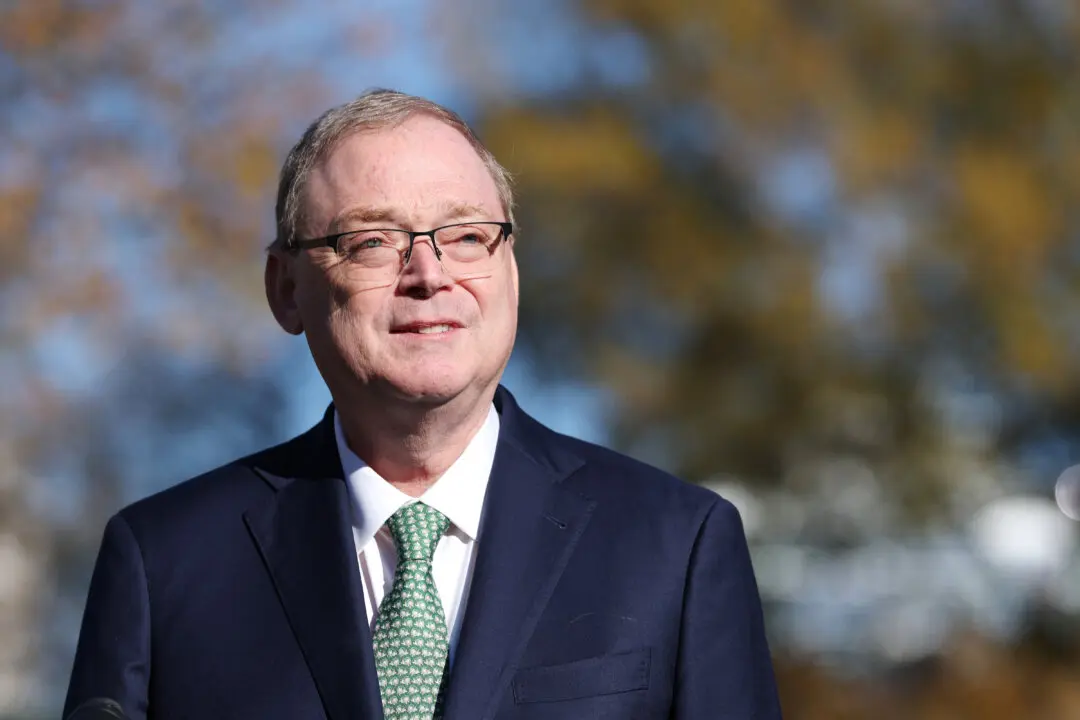
The Trump administration has announced a sweeping overhaul of the U.S. Department of Agriculture (USDA) that will cut its Washington-area workforce by more than half and shift thousands of positions to regional hubs, part of President Donald Trump’s broader push to shrink the federal government and move agencies closer to the communities they serve.
The move will consolidate headquarters operations, vacate multiple federal buildings in the capital, and relocate much of the agency’s work to five hub cities: Raleigh, North Carolina; Kansas City, Missouri; Indianapolis, Indiana; Fort Collins, Colorado; and Salt Lake City, Utah.
The reorganization plan rests on four “pillars,” according to the USDA: reducing the workforce so it’s better aligned with available funding and policy priorities, relocating resources closer to farmers and ranchers, eliminating management layers and bureaucracy, and consolidating redundant support functions.
Much of the workforce reduction will come through voluntary retirements and the Deferred Retirement Program, which offers incentives for employees to resign at a future date. USDA said 15,364 workers have opted into that program so far. Targeted layoffs may follow if voluntary measures fall short.

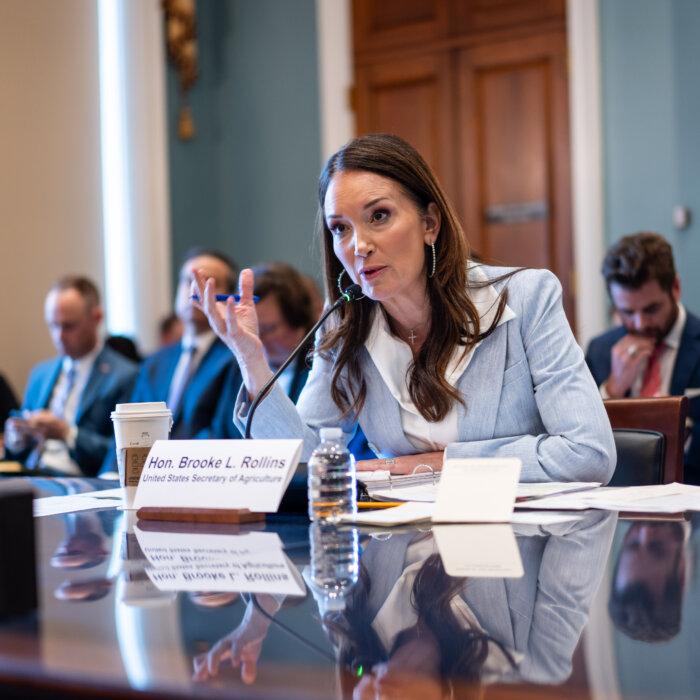
“We will do right by the great American people who we serve and with respect to the thousands of hardworking USDA employees who so nobly serve their country,” Rollins said of the process.
USDA’s workforce expanded by 8 percent over the past four years, with salaries rising 14.5 percent. Agency officials said the growth brought no measurable increase in services for farmers and ranchers. They said the department’s Washington-area presence is redundant and costly, burdened by overspending and years of deferred maintenance.
“President Trump has made it clear government needs to be scrutinized, and after this thorough review of USDA, the results show a bloated, expensive, and unsustainable organization,” agency officials said in a statement.
Under the USDA’s reorganization plan, the department will vacate major properties, including the South Building, Braddock Place, and the Beltsville Agricultural Research Center, all of which face significant deferred maintenance costs. The South Building alone has a $1.3 billion backlog and is less than one-third occupied. Other facilities will be retained, but their use and functions will be reviewed.
Rollins said in her memo that all critical functions will continue uninterrupted, including food safety inspections, wildfire response, and other public safety roles. She previously exempted 52 job classifications tied to national security and public safety from a federal hiring freeze, and while those employees will keep their jobs, they may also be relocated.