The Trump administration announced it is moving forward with the reclassification of approved marijuana, or cannabis, products as a less dangerous drug under federal law.
The shift in federal policy will place Food and Drug Administration-approved products containing marijuana and marijuana products regulated by a state medical marijuana license in the Schedule III category of the Controlled Substances Act.
Currently these products are classified as Schedule I drugs, which are determined to have no federally accepted medical use and a high potential for abuse. Schedule I drugs include substances like heroin and LSD.
Schedule III drugs are classified as having a lower potential for abuse and are accepted for medical use and treatment. This includes medications like Tylenol with codeine and anabolic steroids.
The Controlled Substances Act, signed into law in 1970, puts all substances that are regulated under federal law into five schedules, divided by evaluation of the product’s medical use, potential for abuse, and safety liability.
The change is in response to President Donald Trump’s executive order from December 2025, calling for an increase in “Medical Marijuana and Cannabidiol Research.”
The order cites a determination by the Department of Health and Human Services, which found that medical marijuana is currently accepted for medical use in treating 15 medical conditions, across 43 jurisdictions and 30,000 practitioners.
Acting Attorney General Todd Blanche commented on the change, saying that the Department of Justice (DOJ) is delivering on President Donald Trump’s “promise to improve American healthcare” with the change.
“These actions will enable more targeted, rigorous research into marijuana’s safety and efficacy, expanding patients’ access to treatments and empowering doctors to make better-informed healthcare decisions,” Blanche said in a post on X.
The DOJ and the Drug Enforcement Administration (DEA) have issued an order to expedite the administrative hearing process to consider the broader rescheduling.
Several studies have prompted concern about the use of the botanical, including a November 2025 study by the Journal of the American Medical Association, which found that the regulated drug is not effective for almost any of its prescribed uses.
The same study found that around 30 percent of those who were prescribed the drug met the criteria for a cannabis use disorder or addiction.
A study from February of 2025 by the Journal of the American Medical Association found that in 2023, almost 7 percent of those in the United States over the age of 12, or just over 19 million people, met the criteria for cannabis use disorder. This includes approximately 30 percent of those who reported using cannabis. The Substance Abuse and Mental Health Services Administration reports that approximately 1 in 10 people who use marijuana will become addicted.
Emergency departments nationwide saw a sharp uptick in visits related to cannabinoid hyperemesis syndrome, or cyclical vomiting associated with chronic marijuana use, between 2016 and 2022.
The American College of Cardiology issued a report in March of 2025, citing research supporting the negative effects of cannabis use on users’ hearts.
Previously, in August of 2023, then Assistant Secretary for Health Rachel Levine petitioned the DEA to have marijuana placed in Schedule III of the Controlled Substances Act.
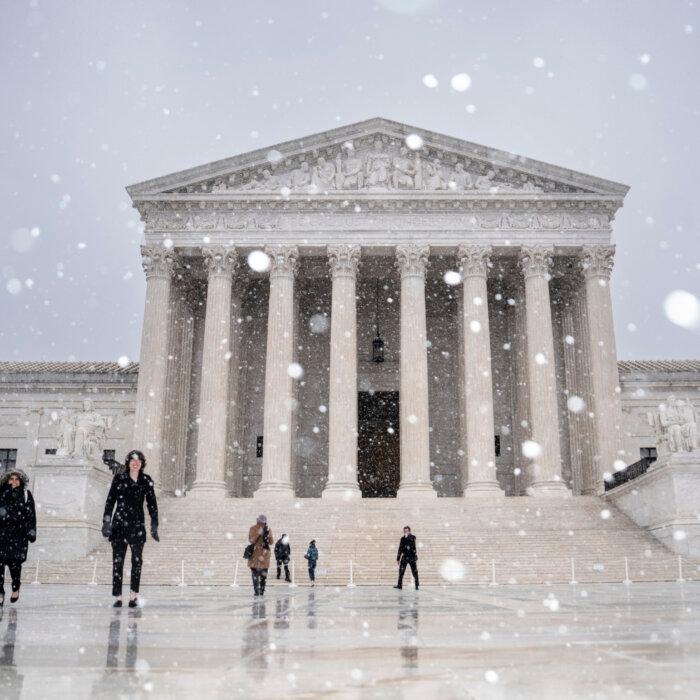
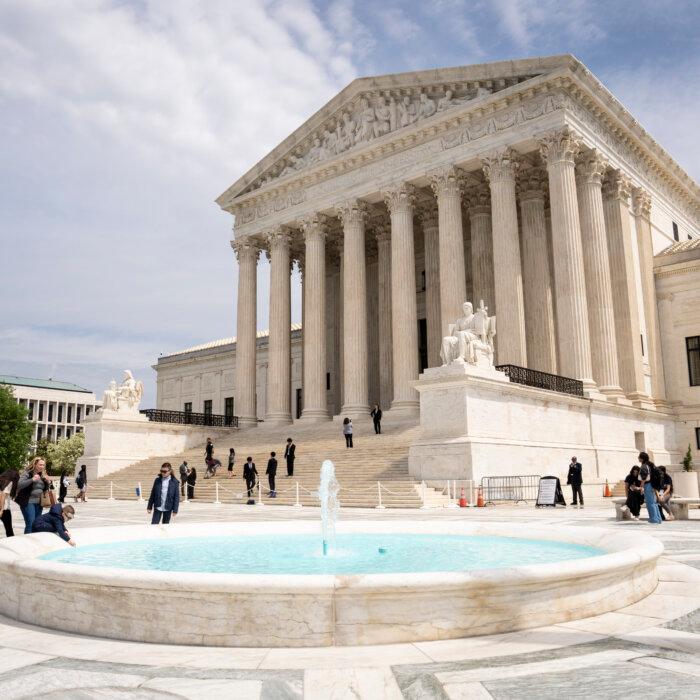
Justice Department lawyer Sarah Harris argued that the law is meant to disarm citizens who use illegal substances that may affect a gun owner’s judgment, including cannabis.
Justice Amy Coney Barrett questioned whether it would violate the Second Amendment to apply the same logic to those who might unlawfully use Ambien, Xanax, or similar drugs. The court has yet to issue a ruling on the case.
The use of marijuana has been contentious since the early 1900s. Some evidence from the academic research database EBSCO suggests that the use of the term “marijuana” instead of “cannabis” was used strategically to tie the botanical to Mexican immigrants in the minds of Americans.
The Marihuana Tax Act of 1937—using the drug’s original spelling—governed the use of cannabis long before the Controlled Substances Act, and is thought to have helped to shape both domestic and international drug policies. It was part of the catalyst for the war on drugs initiated by former President Richard Nixon and escalated under former Presidents Ronald Reagan and George H. W. Bush.
The legislation was spearheaded by Harry J. Anslinger, who served as the first director of the Federal Bureau of Narcotics, which was established in 1930.
It imposed heavy taxes and federal regulation on cannabis, as well as strict paperwork for the sale of the botanical. The act imposed a tax burden that effectively criminalized the use and cultivation of cannabis for those unable to comply with the tax requirements.
While not strictly prohibited, the regulation, in addition to shifting drug policy and a national campaign to warn about the possible impact of cannabis, led to a de facto prohibition.