The U.S. Treasury has launched an enforcement campaign targeting Somali-linked fraud networks in Minnesota, unveiling enhanced financial surveillance, overseas remittance restrictions, and multiple federal investigations amid mounting concerns that stolen taxpayer funds may have been laundered abroad and potentially diverted to terrorist groups.
Key Actions Announced
Bessent said the Treasury has launched multiple enforcement steps aimed at disrupting fraud networks and recovering taxpayer funds. These include issuing investigative notices to several Minnesota-based money service businesses and imposing a geographic targeting order covering the Minneapolis–St. Paul region, lowering the reporting threshold for certain international transfers to $3,000.The IRS is preparing a new task force to investigate abuse of pandemic-era tax incentives and misuse of nonprofit tax-exempt status, Bessent said, adding that the Treasury is training state and local law enforcement to better use financial intelligence and has issued a national alert to financial institutions highlighting red flags tied to fraud in federal child nutrition programs.
Somali-Linked Fraud Under Scrutiny
Bessent accused Minnesota officials of allowing welfare fraud to escalate unchecked, alleging that billions of dollars intended for hungry children, disabled seniors, and families with special-needs children were diverted to individuals who cheated the system.“Democratic Governor Tim Walz has allowed welfare programs and fraud to spiral out of control,” Bessent said. “Some of the people involved are not even American citizens.”
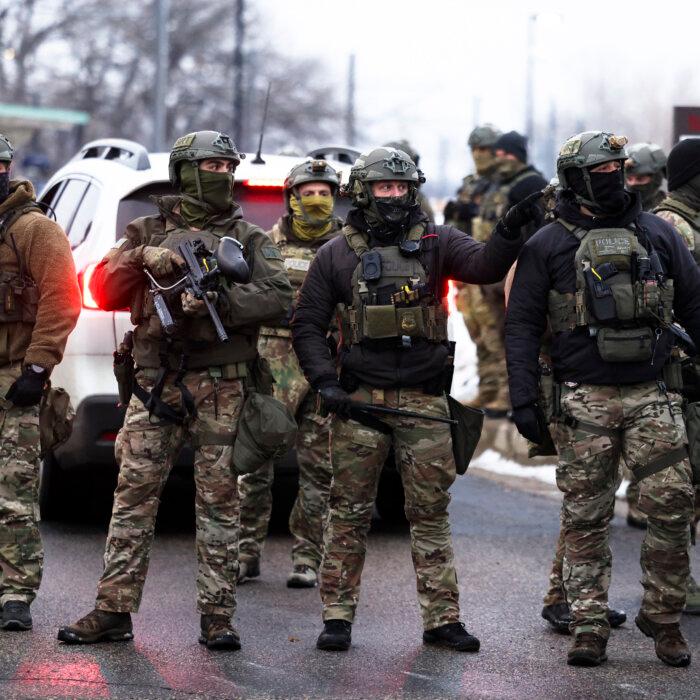
Bessent said Treasury investigators are examining funds sent from Minnesota to Somalia through money service businesses operating outside the formal banking system. Those transfers, he said, may have been vulnerable to diversion by extremist groups, including al-Shabaab.
“We have traced where the money went, and we are examining it,” Bessent said, adding that while he could not comment on active investigations, the findings so far are “highly concerning.”
According to Treasury officials, perpetrators used stolen funds to purchase residential and commercial real estate, luxury vehicles, aircraft, international travel, and other high-end goods in the United States and abroad.
FinCEN, IRS Lead Probe
Bessent said the Treasury’s Financial Crimes Enforcement Network (FinCEN) and the IRS’s criminal investigations division are leading the investigation to determine whether financial institutions complied with their obligations under the Bank Secrecy Act and Treasury regulations.“These requirements are designed to detect money laundering and other listed activity, counter the financing of terrorism, and safeguard the United States financial system from abuse,” Bessent said.
Geographic Targeting Order Expands Surveillance
Central to the crackdown is a new geographic targeting order covering Hennepin and Ramsey counties, which include Minneapolis and St. Paul, Bessent said. The order requires banks and money transmitters to report expanded information on international transfers of $3,000 or more where the recipient is located outside the United States.“This will put a microscope on these businesses, advance prosecutions, and assist in the recovery of funds laundered internationally,” Bessent said. “Fraudsters in Minnesota stole at least $300 million meant for children in need, and we must prevent fraud of this scale.”
When asked whether the reduced $3,000 reporting threshold could be expanded to other states, Bessent declined to provide specifics but said Minnesota would serve as the “genesis for a national rollout” and a “launching pad” for probes in other states.
IRS Audits and New Federal Task Force
Bessent also announced that IRS civil enforcement teams are auditing financial institutions suspected of facilitating the laundering of Minnesota fraud proceeds.In addition, the IRS will soon launch a dedicated task force to investigate abuse of pandemic-era tax incentives and misuse of 501(c)(3) tax-exempt status by nonprofits implicated in Minnesota-based schemes.
The task force will work alongside criminal investigators and prosecutors to recover funds and prevent fraudulent nonprofits from exploiting federal programs, Bessent said.
Treasury officials said further details of enforcement actions will be released as investigations continue.