The Treasury Department has announced a wide-scale enforcement operation targeting more than 100 money services businesses operating along the U.S.–Mexico border, as part of the Trump administration’s campaign to disrupt cartel money laundering through the United States’ financial system.
It’s part of the Trump administration’s ongoing efforts to combat cartels and other transnational criminal networks whose actions harm U.S. communities and threaten national security.
“At President Trump’s direction, the Treasury Department is utilizing all tools to stop terrorist cartels, drug traffickers, and human smugglers,” Treasury Secretary Scott Bessent said in a statement.
“This sweeping operation will help root out potential cartel-related money laundering from the U.S. financial system.”
Money services businesses include non-bank financial providers such as currency exchanges, check-cashing firms, and money transmitters.

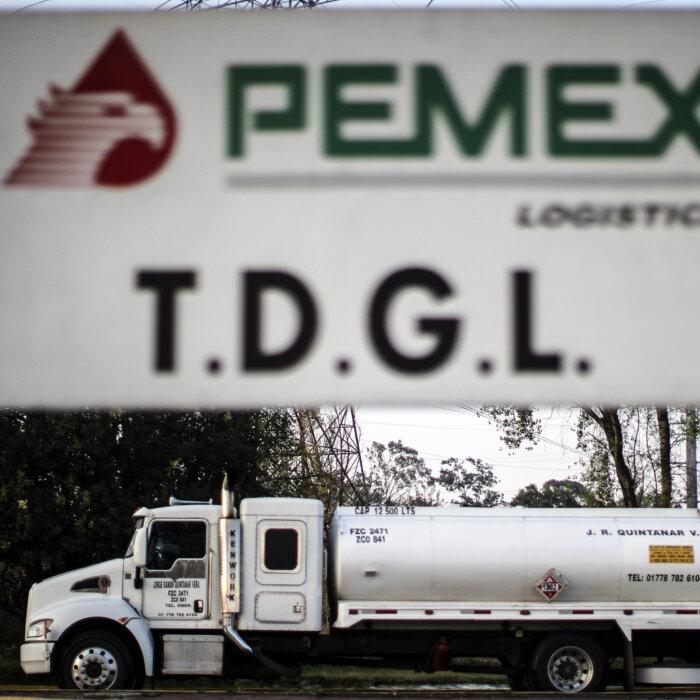
Treasury officials say those businesses face heightened exposure to illicit finance in border regions, where drug traffickers and smuggling networks seek to move proceeds in small, structured transactions designed to avoid detection.
The new data-driven operation—described by FinCEN as the “first-of-its kind”—was made possible by the Treasury’s modernization efforts, including the use of advanced technology to transform fragmented financial information into investigative leads to fight financial crimes more effectively, according to the agency.
The agency said the operation is based on the analysis of more than 1 million currency transaction reports and roughly 87,000 suspicious activity reports submitted by financial institutions.
Using high-performance data processing, the agency is identifying potential compliance failures under the Bank Secrecy Act that could warrant civil penalties, injunctive actions, warning letters, or criminal referrals, it said.
The operation has already produced six notices of investigation, dozens of examination referrals to the IRS, and more than 50 compliance outreach letters, according to the agency.
The move reflects an escalation in targeted enforcement of rules meant to combat financial crime; FinCEN said that advanced analytics are able generate “reliable decision-grade leads at scale” for regulators and law enforcement to act on.
Enforcement Follows Contested Border Reporting Rules
The latest enforcement sweep builds on a series of geographic targeting orders GTOs issued earlier this year that lowered cash-transaction reporting thresholds for money service businesses in certain border areas.“FinCEN is now issuing a new GTO to target illicit transactions, while mitigating burden on legitimate businesses,” the agency said on Sept. 8, adding that the reissued GTO “will continue to ensure law enforcement can deny individuals and entities associated with these groups access to the U.S. financial system.”
Some civil-liberties advocates and free-market groups have taken a dim view of what they describe as expanded warrantless financial surveillance introduced by the new rules.
“Yet, instead, we are seeing a drastic increase in financial surveillance, making the problem even worse,” Anthony wrote.
“Whether it’s the mob or the cartel, organized crime is not an easy thing to deal with.
“However, this challenge does not mean Americans should have their rights stripped away in the pursuit of justice.”