U.S. Treasury Secretary Scott Bessent said that he is optimistic the Supreme Court will reverse a lower court ruling that found President Donald Trump’s tariffs illegal.
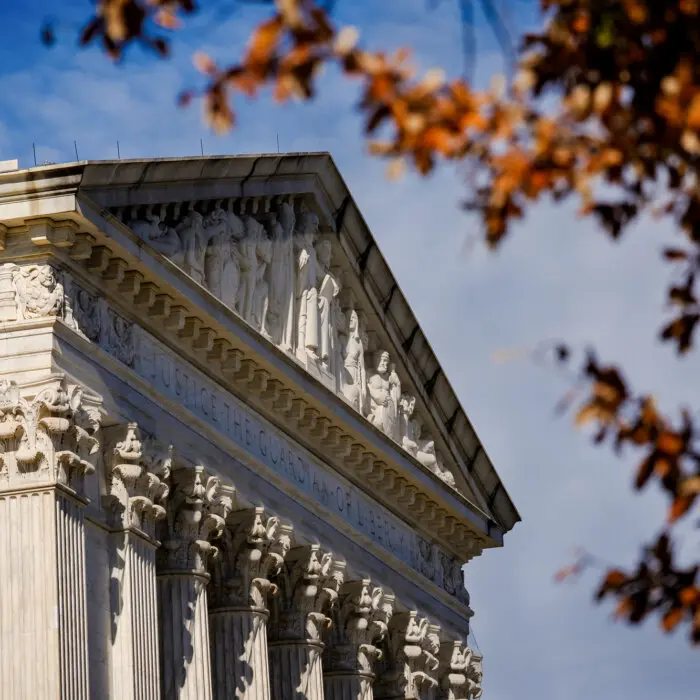
Supreme Court justices heard more than two-and-a-half hours of oral arguments on the case on Nov. 5, with justices assessing whether a 1977 law meant for use during national emergencies gave Trump the power to impose tariffs or whether the president had intruded on the powers of Congress.
Solicitor General D. John Sauer argued in favor of Trump’s tariffs. Attorney Neal Katyal argued against the tariffs on behalf of companies that brought lawsuits to strike them down.
Oregon Solicitor General Benjamin Gutman also argued against the tariffs on behalf of Oregon and other states that brought suit in the case.
During an appearance on Fox Business Network’s “Kudlow” program after the Supreme Court had wrapped up for the day, Bessent said he believed plaintiffs had “almost embarrassed themselves” while challenging Trump’s use of a 1977 law to defend tariffs.
IEEPA, short for the International Emergency Economic Powers Act, allows presidents, after declaring a national emergency, to regulate or block economic transactions, including some imports and exports.
Bessent also said the nation was in the midst of an economic emergency, justifying the use of the law to implement the tariffs.
“We were near a tipping point,” Bessent said, adding that Trump had “brought the U.S. back.”
“I think they came away understanding that the purpose of the tariffs, the tremendous amounts of revenue that we are taking in, is coincident, and the real goal here is to rebalance our trading relationships and bring home manufacturing,” he said.
Bessent reiterated that the tariff policy should be a “shrinking ice cube” over time.
“That we will start out with high tariffs, but as the economy gets rebalanced, the tariffs will go down, manufacturing will increase in the U.S., and our domestic tax take will go up,” he said. “And I think the justices understood that quite well.”
Bessent noted in the interview that economic and national security are linked and cannot be separated.
“The president has ultimate control over national security,” Bessent said. “He has the control over foreign affairs.”