The Treasury Department sanctions target four Guyanese citizens and two Colombian citizens who were allegedly responsible for trafficking tons of cocaine from South America to the United States, Europe, and the Caribbean, using aircraft, boats, and narco-submarines to transport the drug.
Guyanese citizens Paul Daby Jr. and Randolph Duncan were sanctioned for “running the largest drug trafficking organizations in Guyana,” according to the department.
A third sanctioned individual is Mark Cromwell, a former Guyana Police Force (GPF) officer considered to be a violent drug trafficker and associate of Daby Jr.
Cromwell is wanted by Guyanese police for his involvement in the kidnapping of a former Guyanese police officer in 2024.
Sanctions were also placed on Himnauth Sawh, a Guyanese law enforcement officer with the GPF who, before being removed from his post and assigned to an office transportation workshop, allegedly ensured safe passage for Colombian and Venezuelan traffickers through Region One, which borders the Atlantic Ocean.

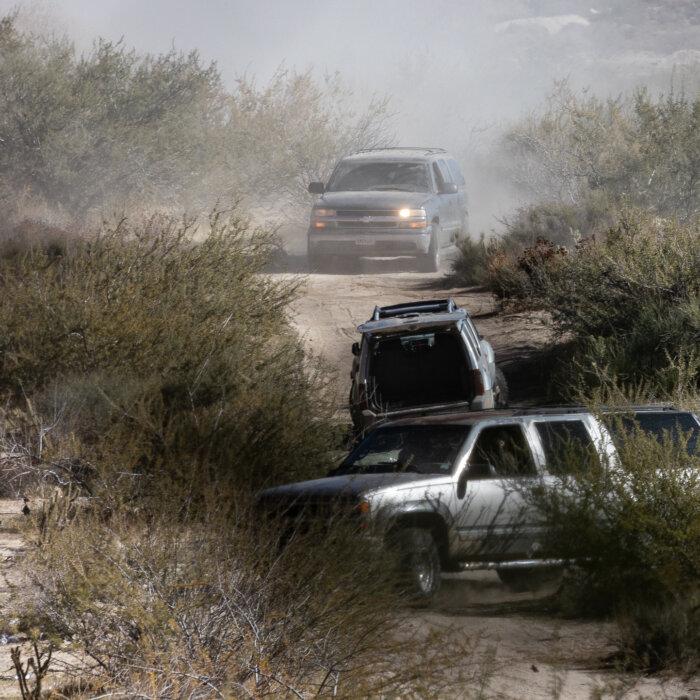
Region One, known as Barima-Waini, is a subdivision administered by Guyana on the border with Venezuela and part of the Essequibo region, a western area of the South American country covering some 160,000 square kilometers that has been disputed between Caracas and Georgetown since the 19th century.
The two Colombians sanctioned are Yeison Andrés Sánchez Vallejo, alias Sánchez, and Manuel Salazar Gutiérrez, alias Salazar, who are considered responsible for overseeing the clandestine airstrips used to transport tons of cocaine by air from Colombia to Guyana.
The Treasury Department also highlighted the presence of Mexican drug cartels in Guyana.
“For decades, reported corrupt actors have used Guyana as a transshipment point for the movement of drugs from South America to the United States, as the substantial profits generated from these sales continue to fund and strengthen cartel operations,” the Treasury Department stated in the statement. “International cocaine trafficking remains a serious threat to the United States, as the substantial profits generated from these sales continue to fund and strengthen cartel operations.”
In March, police discovered a cargo ship, originating in Guyana, in Trinidad and Tobago waters containing nearly 401 pounds of cocaine. Packages of cocaine bearing the Toyota logo, a trademark of the Sinaloa Cartel, which was designated a Foreign Terrorist Organization by the State Department in February, were also found on the freighter.
The sanctions imposed by the OFAC involve the blocking of property and assets of sanctioned individuals located in the United States or in the possession or control of U.S. citizens, which must also be reported to the OFAC, as well as a prohibition on conducting commercial transactions with them.
“Treasury will continue to expose the criminal networks that allow drugs to be trafficked into the United States, and work closely with our law enforcement colleagues and the Government of Guyana to disrupt the cartels wherever they operate,” deputy secretary Michael Faulkender said.
In recent years, Guyana has been targeted by local and international criminal groups that have taken control of illegal activities in the territory through arms trafficking, drug trafficking, and the illegal trade in gold and mercury.