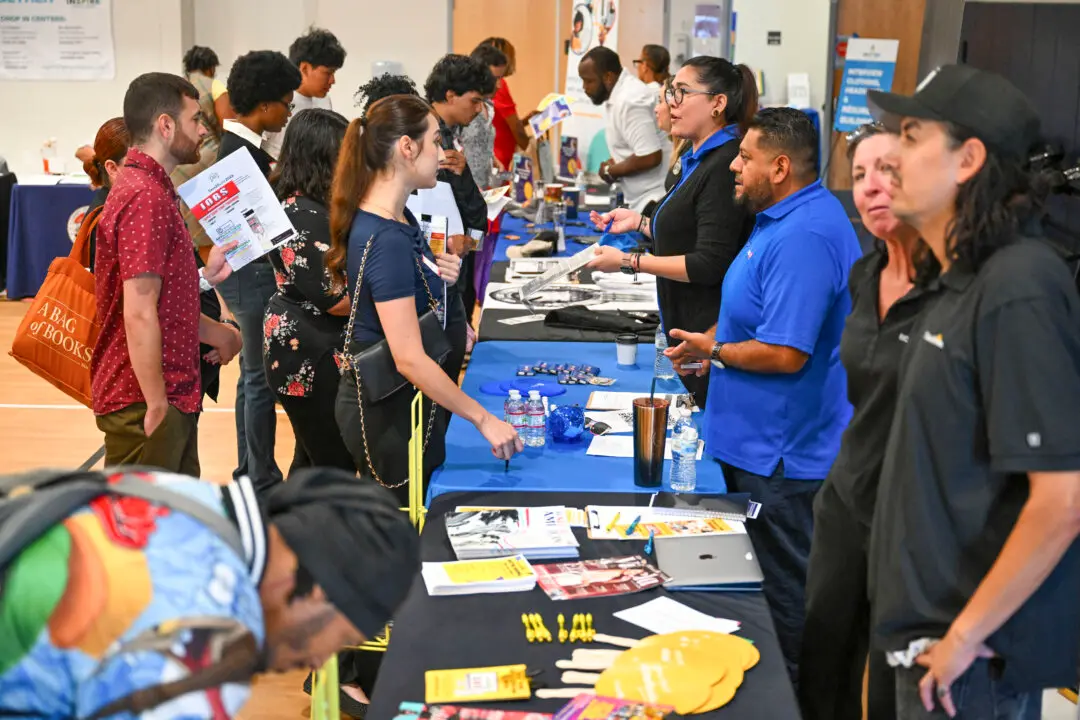
The Treasury Department has released a list identifying eight industries covered by the “no tax on tips” policy in the One Big Beautiful Bill Act.
President Donald Trump signed the Republican-led megabill on July 4, following through on a key campaign pledge of eliminating taxes on tipped income.
As part of the bill, workers can deduct up to $25,000 in qualified tips from their annual taxable income. Individuals earning less than $150,000 per year and married couples filing jointly earning under $300,000 are eligible for the deduction. The law will remain in effect until 2028.
Beverage and Food Service
- Bakers
- Bartenders
- Chefs and cooks
- Dishwashers
- Dining room, cafeteria attendants, and bartender helpers
- Fast food and counter workers
- Food preparation workers
- Food servers (non-restaurant)
- Host staff, restaurant lounge, and coffee shop
- Wait staff
Entertainment and Events
- Dancers
- Digital content creators
- Disc jockeys, except radio
- Entertainers and performers
- Gambling booth cashiers, cage workers, change persons, and dealers.
- Gambling sports book writers and runners
- Locker room, coatroom, and dressing room attendants
- Musicians and singers
- Ushers, lobby attendants, and ticket takers
Hospitality and Guest Services
- Baggage porters and bellhops
- Concierges
- Hotel, motel, and resort desk clerks
- Maids and housekeeping cleaners
Home Services
- Electricians
- Heating and air conditioning mechanics and installers
- Home maintenance, repair, and cleaning workers
- Home landscaping and groundskeeping workers
- Locksmiths
- Plumbers
- Roadside assistance workers
Personal Services
- Event officiants for weddings and funerals
- Nannies and babysitters
- Personal care and service workers
- House sitters
- Pet caretakers
- Private event planners
- Private event and portrait photographers and videographers
- Tutors
Personal Appearance and Wellness
- Barbers, hairdressers, hairstylists, cosmetologists, and shampooers
- Exercise trainers and group fitness instructors
- Makeup artists and eyebrow threading and waxing technicians
- Manicurists and pedicurists
- Massage therapists
- Shoe and leather workers and repairers
- Skincare specialists
- Tailors
- Tattoo artists and piercers
Recreation and Instruction
- Golf caddies
- Recreational and tour pilots
- Self-enrichment teachers, such as art and dance instructors
- Sports and recreation instructors, such as tennis teachers
- Tour guides and escorts
- Travel guides
Transportation and Delivery
- Charter bus drivers
- Goods delivery people
- Home movers
- Parking and valet attendants
- Personal vehicle and equipment cleaners
- Rickshaw, pedicab, and carriage drivers
- Shuttle drivers
- Taxi and rideshare drivers and chauffeurs
- Water taxi operators
Examining the Numbers
Last year, an analysis by the Yale Budget Lab estimated that approximately 4 million workers were employed in tipped occupations in 2023, accounting for 2.5 percent of all employment.

Additionally, according to the report, more than one-third of tipped workers pay no income tax.

The direct effects of the law, however, could lead to changes in behavior, which might add to the provision’s price tag, said Ernie Tedeschi, director of economics at the Yale Budget Lab and former chief economist at the White House Council of Economic Advisers.
“The larger and far more uncertain effect would stem from behavioral changes incentivized by the bill, such as substitution into tipped employment and tipped income, which would increase the bill’s overall cost,” Tedeschi said.
Still, it is a popular policy proposal among voters across party lines.
More than a dozen states are also actively considering legislation to abolish state income tax on tipped wages.
Other states, including California, New York, and Virginia, are weighing similar measures.