U.S. Trade Representative Jamieson Greer hinted that the United States and India are making progress on a deal.
Appearing before a Senate Appropriations Committee hearing on Dec. 9, Greer told lawmakers that some of India’s trade proposals are the best that the United States has ever received.
“They’re a very difficult nut to crack,” Greer said in an exchange with Sen. Jerry Moran (R-Kan.). “But they’ve been very forward-leaning. The type of offers they’ve been talking to us about have been the best we’ve ever received as a country.”
Still, New Delhi has been resistant to importing certain row crops and other meats and products.
Greer’s comments come as a U.S. trade delegation, led by Deputy Trade Representative Rick Switzer, is in India for negotiations on tariff issues and the proposed bilateral trade agreement that could bolster trade to $500 billion by 2030.
While both sides have been in regular contact to iron out a deal, the path to finalizing it has not been smooth.

But the U.S. trade chief insisted to lawmakers that India—the world’s fifth-largest economy—is “a viable market for us,” noting that it is strategically vital for Washington to succeed in trade talks.
“With India, it’s fairly far advanced,” Greer said, regarding the trade talks.
Additionally, U.S.–China negotiators have also been engaged in foreign policy discussions in recent weeks, focusing on key bilateral issues involving energy cooperation, critical minerals, and supply chains.
“The discussions also covered regional and global developments of mutual interest, with both sides underscoring their shared commitment to a free and open Indo-Pacific,” Neha Singh, first secretary at the Embassy of India, said in a statement to The Epoch Times.
China and Soybeans
The hearing also shifted to China’s purchases of U.S. soybeans.The White House recently said that the deadline for Beijing to buy 12 million metric tons of the crop from U.S. farmers was at the end of December. However, Greer clarified to lawmakers that it is the end of the “growing season,” calling it a “discrepancy.”
“We’ve heard from a couple of farmers. They wanted to know about that discrepancy, and it is a discrepancy, it’s through the growing season,” he said in response to a question from Sen. Deb Fischer (R-Neb.).
The crop’s latest growing season ended in November.
“There remains anxiety about if and when China will fully follow through on those purchase commitments that were made,” Fischer said.
China remains the world’s largest soybean importer.
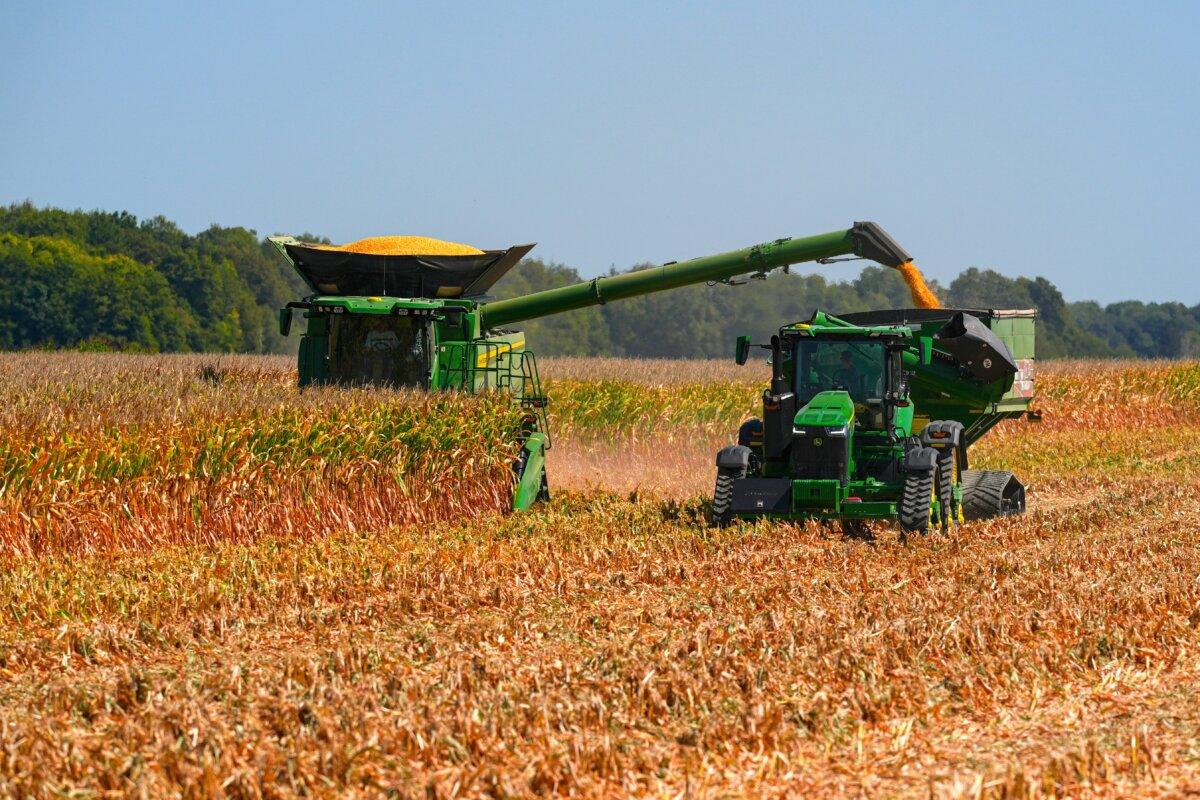
“Over the next three and a half years, we’re going to see the 87.5 million metric tons purchased by the Chinese minimum—minimum. And they are right on schedule,” he said.
Soybean prices have benefited from the trade turmoil, rising by more than 7 percent this year to almost $11 per bushel.