January 1776 arrived without victory or resolution in the Revolutionary War already underway. British soldiers still occupied Quebec City and Boston in Massachusetts Bay. Royal Navy warships prowled the American coastline like predators. Trade was crippled, towns were destroyed, and Continental Army soldiers—short on supplies and facing an uncertain future—endured a bitter winter in makeshift camps near the front lines.
In Philadelphia, Pennsylvania, delegates to the Second Continental Congress remained deeply divided. New England delegates favored separation, while many others remained committed to sustained dialogue in hopes of restoring their rights as Englishmen. Yet for ordinary Americans—whose homes, livelihoods, and communities were directly impacted by the war—faith in reconciliation collided with the grim realities of violence and military occupation. They were increasingly receptive to a broader set of solutions.
What Americans lacked was a strategic playbook that acknowledged their struggles and led them to an achievable goal—one Thomas Paine would soon provide. In January 1776, Paine offered that roadmap in a clear, articulate manner.
The King Shows His Hand
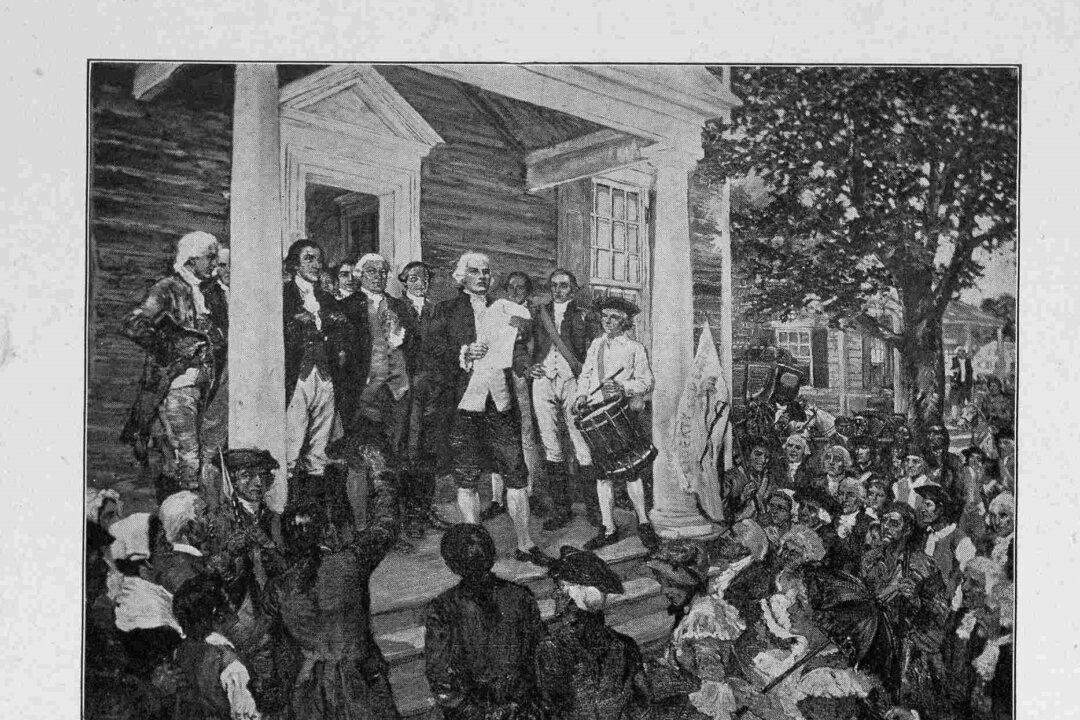
On Oct. 26, 1775, King George III delivered his “Speech From the Throne” at the opening session of Parliament. He accused colonial leaders of fomenting rebellion, usurping lawful authority, and raising armies to establish an independent empire. The speech expanded on his earlier “Proclamation for Suppressing Rebellion and Sedition,” endorsing the use of decisive military force—including soldiers from foreign allies—to bring a “speedy end to these disorders.”The king also offered tenderness and mercy to the “unhappy and deluded multitude,” provided they recognized their error and submitted to royal authority.
This was more than a rejection of the “Olive Branch Petition” presented to him by Congress—which the King never read. It was an unmistakable declaration of war.
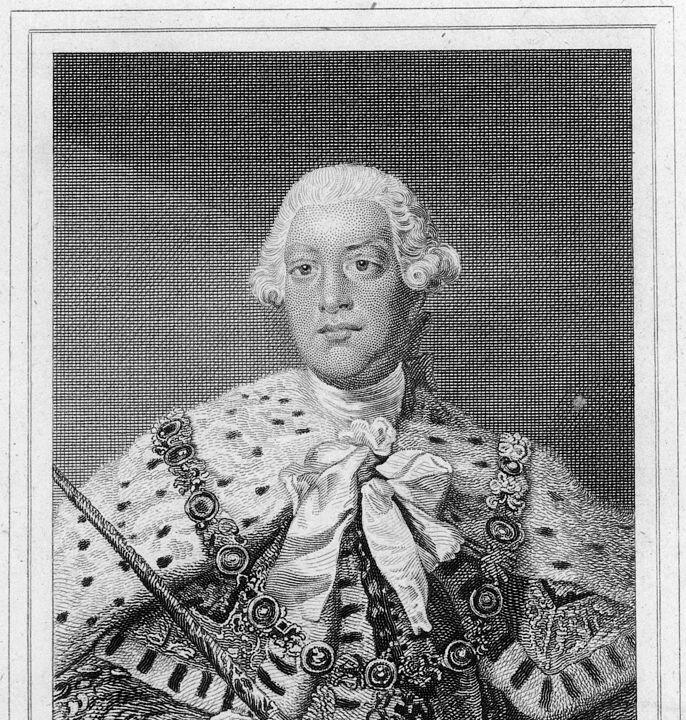
King George III’s "Speech From the Throne" helped turn colonial discontent into open rebellion—fuel for Thomas Paine’s Common Sense. Hulton Archive/Getty Images
A Glaring Contradiction
Thomas Paine arrived in Philadelphia on Nov. 30, 1774, seeking opportunity and a fresh start—not a revolution. He possessed no wealth, held no political office, and had no ties to the aristocracy. His greatest asset was a letter of introduction from his friend and future mentor, Benjamin Franklin.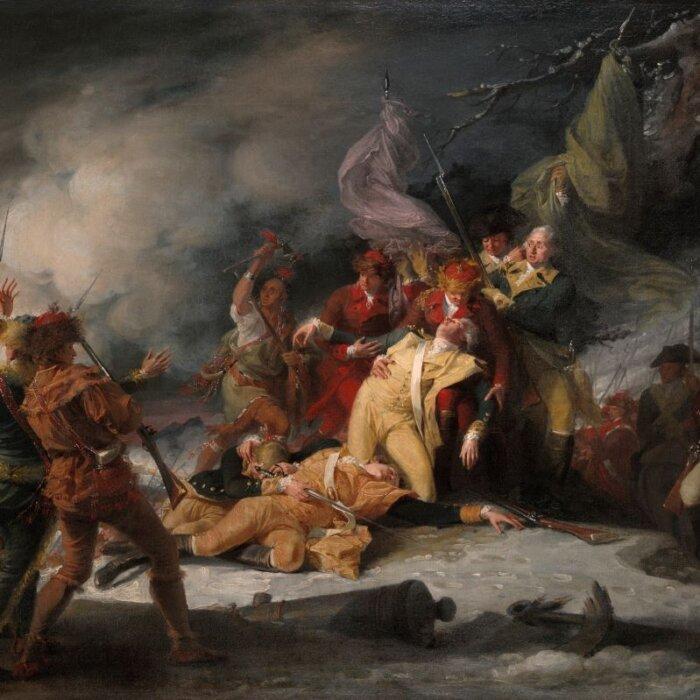
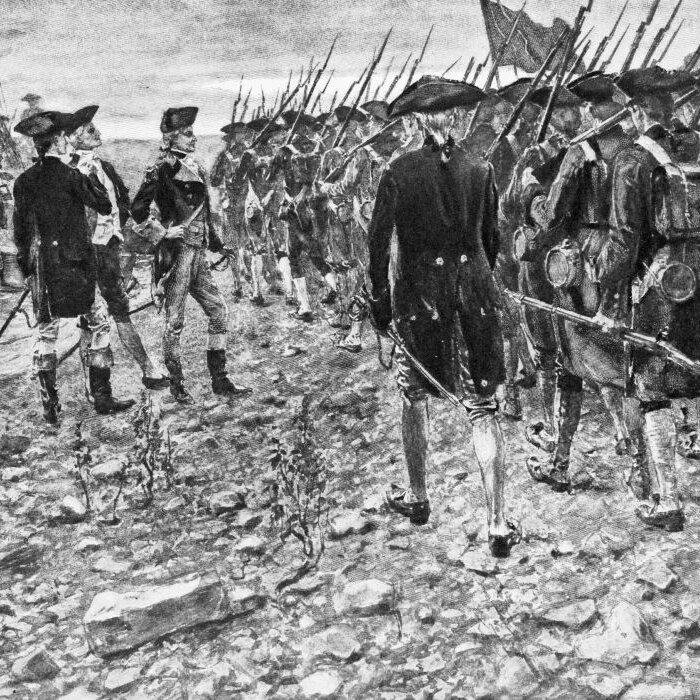
Paine found work, befriended American physician and politician Benjamin Rush, and immersed himself in American politics. By late 1775, he was astonished that so many Americans still professed loyalty to the king while blaming Parliament for the war. New England militiamen even referred to themselves as the king’s soldiers and the redcoats as Parliament’s army—a lingering echo of the English Civil War.
It was a fragile distinction, sustained by the belief that the king would ultimately intercede on their behalf. Paine rejected such a notion and believed the relationship binding the colonies to Britain had already been severed. Reconciliation was a misguided delusion that must be abandoned. He was resolved to force the issue.
A Pamphlet to Redirect Focus
Late in 1775, Paine began writing “Common Sense” in plain, blunt language that ordinary people could easily understand. The 47-page pamphlet dismissed reconciliation as a vain and foolish hope and urged readers to shift their focus—from restoring rights as Englishmen to securing independence as Americans.Paine listed Britain’s abuses and attacked hereditary monarchy as an unnatural absurdity that the Almighty never approved. He wrote, “For all men being originally equals, no one by birth could have a right to set up his own family in perpetual preference to all others forever.”
Paine mocked Britain’s attempt to govern the 13 colonies, stating that “the distance at which the Almighty hath placed England and America is a strong and natural proof that the authority of one over the other was never the design of Heaven.”
Paine believed it was necessary to accept reality and that independence was long overdue: “Until an independence is declared, the Continent will feel itself like a man who continues putting off some unpleasant business.”
Knowing that many Americans were not yet prepared for such a drastic move, Paine intentionally delayed publication of his political manifesto until the moment was right. He would not have to wait long.
The King’s Speech Arrives
When copies of the King’s speech reached Philadelphia on Jan. 8, 1776, Paine correctly surmised that its belligerent tone was the catalyst he had been waiting for. Two days later, on Jan. 10, Paine published “Common Sense,” and it quickly became a bestseller. The public read it aloud in taverns, workshops, and military camps. Hundreds of thousands of copies circulated across the continent with unprecedented speed—far surpassing John Dickinson’s previous bestseller, “Letters from a Farmer in Pennsylvania.” Never had a large population been spoken to so effectively about its political future.Paine did not invent the revolution, but he articulated with clarity and urgency, why independence was both necessary and unavoidable.
Before January ended, “Common Sense” began to resonate with neutral Americans as events across the colonies seemed to confirm Paine’s warnings.
After their defeat at the Battle of Great Bridge, Gov. Lord Dunmore and his Loyalist supporters took refuge aboard British ships anchored at Norfolk, Virginia. For weeks, British and Loyalist forces were locked in an armed standoff with local Patriot militias.
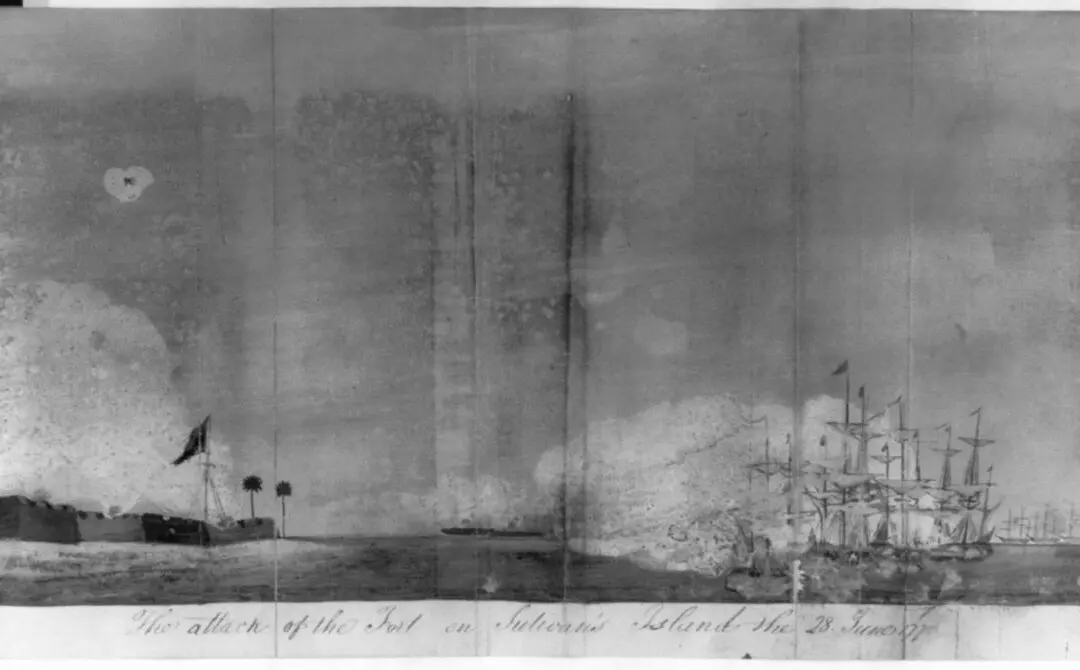
On Jan. 1, after the residents of Norfolk refused British demands for provisions, Royal Navy warships in the harbor opened fire. Shells tore into the waterfront. British marines set wharves and warehouses ablaze, turning much of the town into a roaring inferno. The bombardment continued into the night. Patriots later burned the few buildings left standing to deny the British use, though Dunmore was widely blamed for the entire catastrophe.
Norfolk was not an isolated incident. British commanders continued coastal raids. Royal governors fled aboard warships and urged Loyalists to continue the fight. In North Carolina, former Gov. Josiah Martin attempted to raise thousands of Loyalist troops to join an expected British expedition.
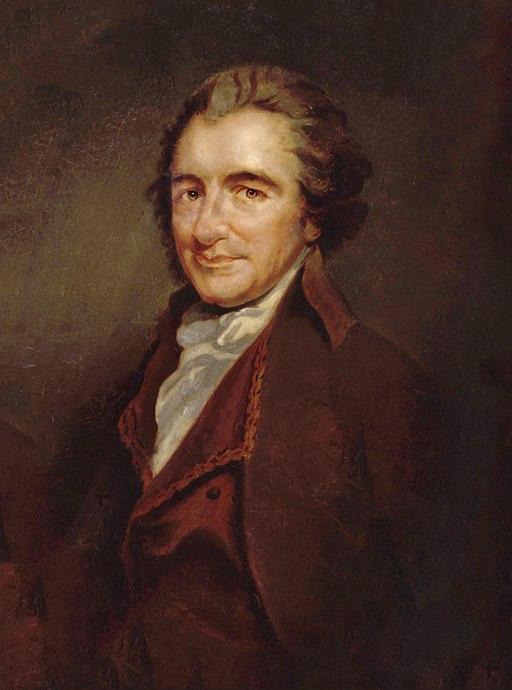
Thomas Paine, copy by Auguste Millière, after an engraving by William Sharp, after George Romney, circa 1876. Public Domain
An Unstoppable Movement
Despite Paine’s growing influence on American sentiment toward independence, moderates in Congress remained hopeful the momentum could be delayed. Maryland, Pennsylvania, and other colonies instructed their delegates to pursue peace and remain receptive to conciliatory measures.Patriot militias, however, moved faster than Congress. They seized the initiative—as well as large quantities of weapons—and began arresting Loyalists, many of whom had been promised protection by the British but now found themselves abandoned. Ironically, among those detained was New Jersey Gov. William Franklin, the estranged son of Benjamin Franklin.
Their actions reflected a public increasingly convinced by “Common Sense” that delay itself had become a liability.
In Massachusetts Bay, Gen. George Washington dealt with a shrinking army of just over 8,000 men as enlistments expired in December. He had long understood what many in Congress would not acknowledge: The war could not be won without clarity of purpose.
Washington found “Common Sense” so persuasive that he ordered it read aloud to his men. The effect was immediate. Soldiers were no longer fighting simply to resist British authority—they were fighting for the creation of a new nation. What began as a political argument became a conviction—transforming their rebellion into a revolution. John Adams later wrote that the pamphlet “cleared our doubts.”

A historical marker at the site of Robert Bell’s print shop, where Thomas Paine’s "Common Sense" was first published in 1776. Alan Wakim
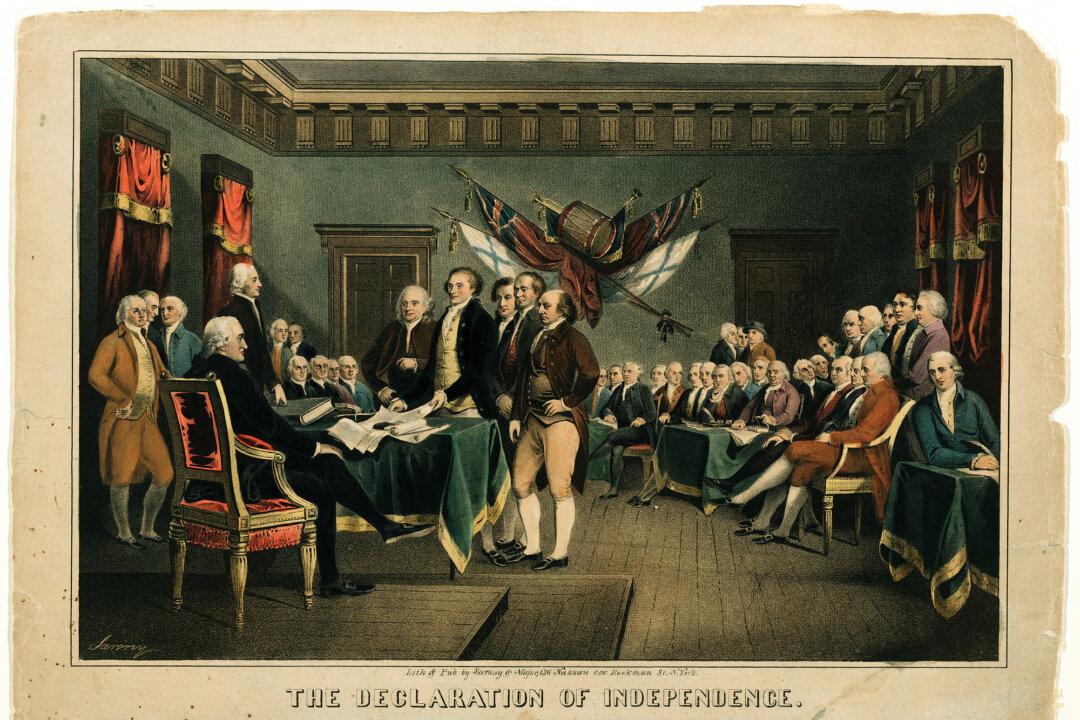
Americans remained loyal to the king long after blood was shed at Lexington and Concord. Yet in a matter of days, a royal speech dissolved that loyalty, and a plainspoken pamphlet launched a revolution. By the end of January 1776, the war’s objectives had changed, and independence became a possibility. For many, it was inevitable.
For Thomas Paine, postponement no longer preserved peace—it only deferred a decision that could no longer be avoided. Once he set it in motion, there was no turning back. That was his objective all along.
What arts and culture topics would you like us to cover? Please email ideas or feedback to [email protected]