Tennessee executed Byron Black early Aug. 5 after the U.S. Supreme Court declined to hear an appeal to stay his execution, or to force the state to turn off his internal pacemaker-defibrillator.
Although Chancellor Russell T. Perkins of Davidson County Chancery Court ordered the state to deactivate the device, the Tennessee Supreme Court overturned that ruling on July 31.
Apart from the heart implant, Black’s attorneys said he had an IQ ranging between 57 and 76, and “half a dozen experts” testified he was intellectually disabled.

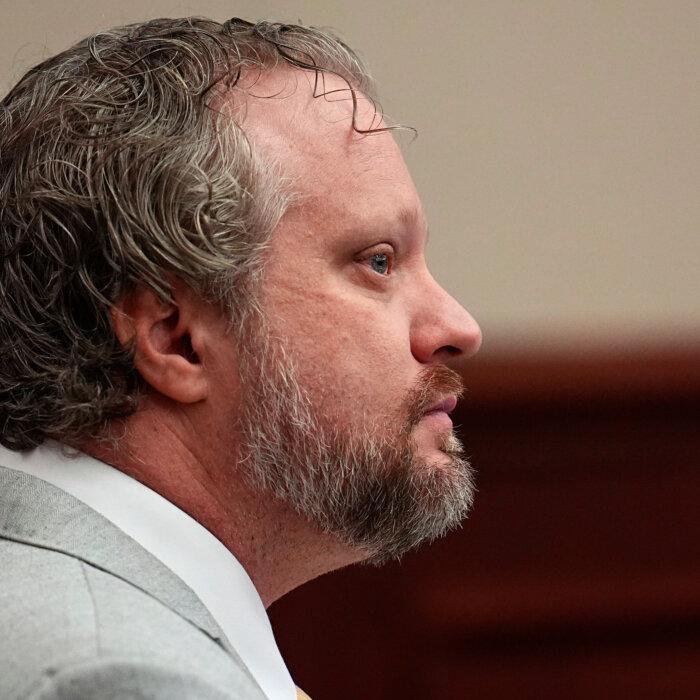
Media witnesses of the execution said that Black had no official last statement, but could be heard sighing loudly, and at one point said, “It hurts so bad.”
Black’s attorney, Kelley Henry, called the execution “the result of pure, unbridled bloodlust and cowardice.”
“Today, the state of Tennessee killed a gentle, kind, fragile, intellectually disabled man in a violation of the laws of our country simply because they could.”
For Angela Clay’s family, Black’s execution brought “closure” after more than three decades.
“I am thankful and grateful to see this day, the load and burden that has been lifted off our hearts, not just me, but my family with me,” Clay’s sister Lenette Bell said in a statement following the execution.
“His family is going through the same thing now that we went through 37 years ago. I can’t say I’m sorry, because we never got an apology. He never apologized, and he never admitted it, even on his dying bed that he took, he took it to his grave with him, and he knows he did it.”
In 1989, Black was convicted of murdering Angela Clay and her two daughters, Latoya, 9, and Lakeisha, 6.
According to court filings, Black shot Angela Clay after learning she intended to return to her husband, Bennie Clay. He had previously been convicted of shooting Bennie Clay, and was out of prison on a work release program at the time of the murders.
Black was ultimately convicted after Bennie Clay agreed to have a bullet from that shooting removed from his shoulder, which was later matched to the bullets at the scene of his wife and daughters’ murder.