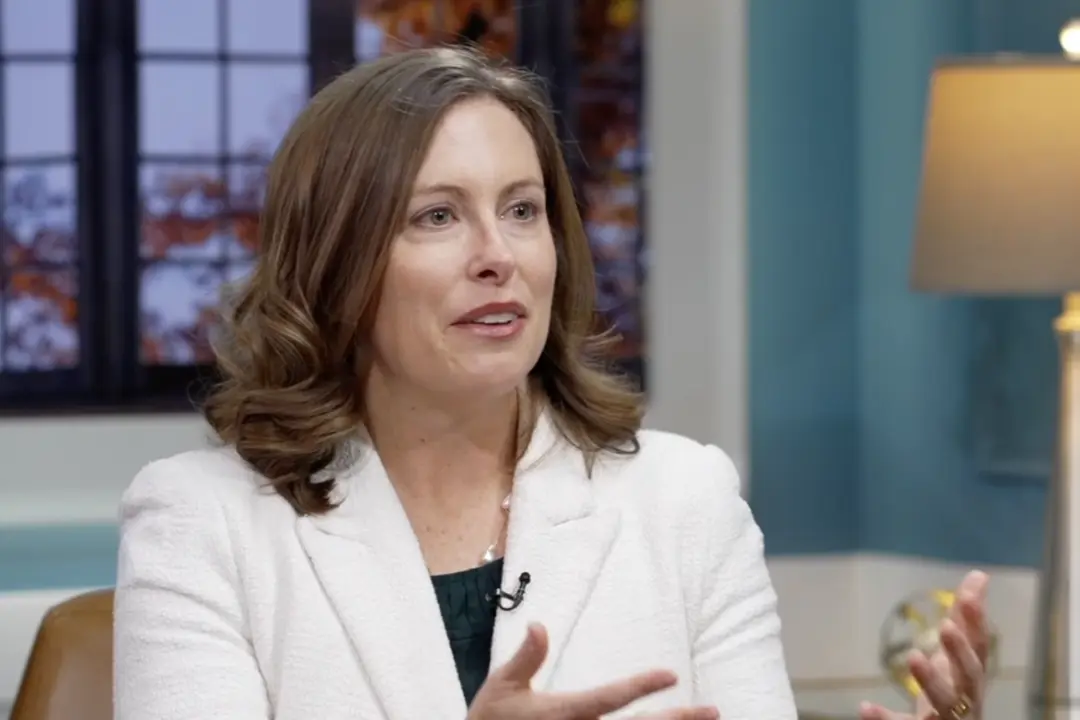
FTC Chair Andrew Ferguson said during a Nov. 10 interview that his agency requested information from the major developers of chatbots that utilize AI, and responses have begun to come in.
Seven companies were ordered to provide information on how the firms measure, test, and monitor the potentially negative effects of consumer-facing, AI-powered chatbot technology on children and teens.

Ferguson said, “Protecting kids online is a top priority for the Trump–Vance FTC, and so is fostering innovation in critical sectors of our economy.”
The companies being asked to hand over documentation include Alphabet, the parent company of Google; Meta Platforms, the parent company of Instagram and Facebook; OpenAI; social media platform Snap; and X.AI Corp.
At the time the inquiry was launched, Snap said in a statement that its My AI chatbot is “transparent and clear about its capabilities and limitations.”
“We share the FTC’s focus on ensuring the thoughtful development of generative AI, and look forward to working with the Commission on AI policy that bolsters U.S. innovation while protecting our community,” the company said in a statement.
The Epoch Times did not immediately receive a statement on the topic from the other companies listed.
Ferguson spoke on the possibility of additional regulation for AI, saying this inquiry and subsequent report could offer regulators the information needed to make the kind of legislation that will protect the public going forward.
During his Nov. 10 interview, Ferguson acknowledged that there are still big questions surrounding the advances in AI technology.
“AI is different. The people creating it don’t know really what it is. They don’t know which direction it’s going, and neither do we,” he said.
Ferguson said that if any regulating group comes up with rules for AI now, without understanding the full scope of its potential for harm, “by tomorrow, it will have lapped us.”
“We want to win the AI race against our adversaries,” he said. “But we have to continue protecting American families and especially children from the development of the technology.”