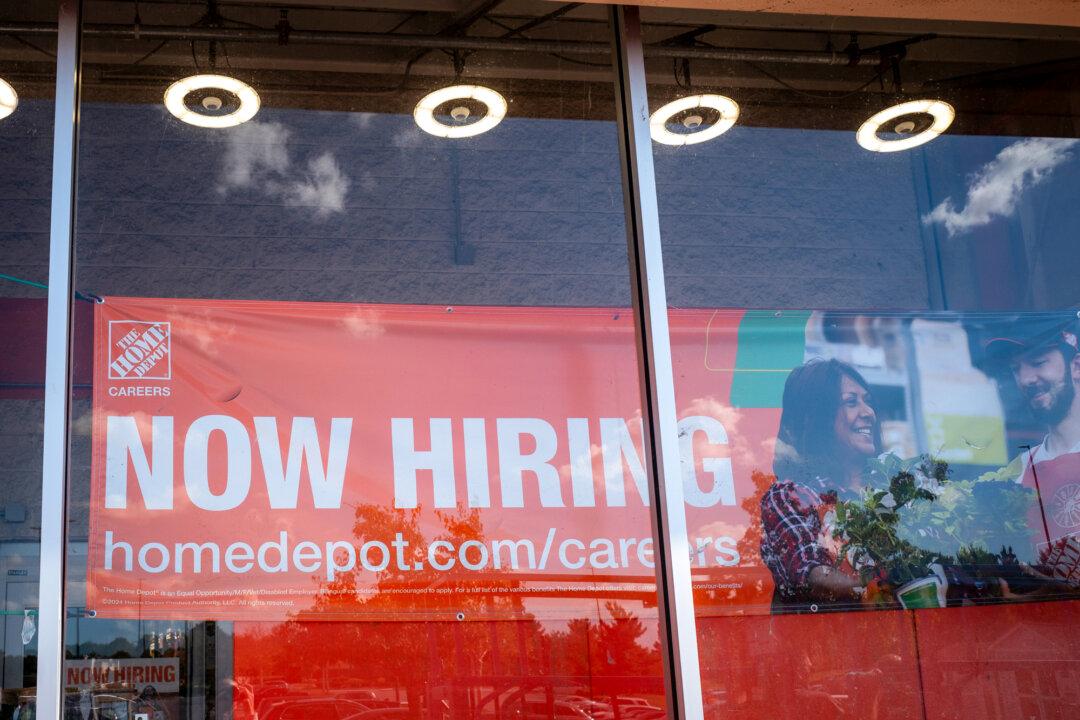
A leading tech company will pay $15 million to settle charges related to denying certain employees their COVID-19 vaccine exemption requests, and terminating employees who declined to receive vaccines, according to a March 24 press release from the U.S. Equal Employment Opportunity Commission (EEOC).
The company, whose name was withheld, has a presence in 12 U.S. states. The charges were filed in 2021 with the EEOC’s Phoenix District Office. The company chose to voluntarily resolve the issue, without admission of liability, to avoid an extended dispute, said the statement.
The federal civil rights agency found “reasonable cause” to believe the company discriminated against the employees on the basis of religion and disability by denying their vaccine exemption requests.
“There was no pandemic exception to workers’ civil rights and liberties,” said EEOC Chair Andrea Lucas.
“Title VII and the [Americans with Disabilities Act (ADA)] require employers to provide reasonable accommodations for sincerely held religious beliefs and qualifying disabilities unless they can demonstrate undue hardship. When employers fail to meet that obligation, the Commission will act. This resolution makes clear that America’s workplaces must remain open to employees of faith and to workers with disabilities.”
According to Title VII of the Civil Rights Act of 1964, an employer must not discriminate against workers based on race, color, religion, sex, or national origin. The ADA ensures equal opportunity and access for individuals with disabilities in work environments. According to the EEOC, the company had allegedly violated Title VII and the ADA without being able to show undue hardship burden due to the accommodations.

COVID-19 vaccination has been a hot-button topic because of the stringent restrictions placed on public and private life during the global spread of the coronavirus, with countries and employers struggling to balance health and safety requirements and personal liberties.
One of President Donald Trump’s first executive orders after taking office for his second term reinstated service members who were dismissed for refusing the COVID vaccine.
The order directed the secretary of War to reinstate all members of the military, active and reserve, who were discharged for refusing the COVID vaccine. They were given full back pay and their former rank.
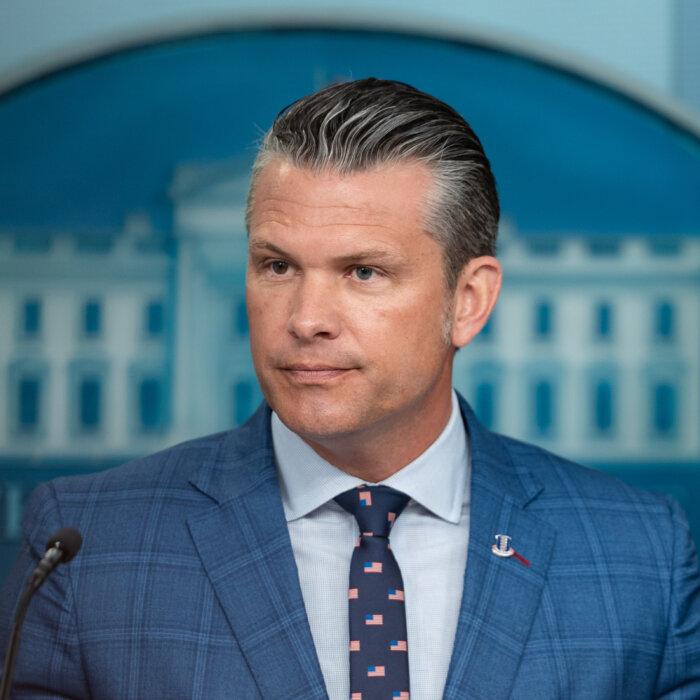
“We’re extending this to make sure that anybody who wants to take advantage of it has additional time to take advantage of it,” War Secretary Pete Hegseth said in a video statement. “Maybe you were waiting to see whether we meant it or not. We do.”
Roughly 8,700 service members were discharged in 2021 during the COVID-19 pandemic for refusing to comply with the vaccination requirements imposed by the prior administration.
The EEOC has earlier reached settlements with other organizations regarding the vaccine issue.
On March 2, the agency announced a settlement of $150,000 with North Carolina-based Rex Healthcare for allegedly denying a remote worker’s request to be exempted from the provider’s mandatory COVID-19 vaccine policy.
In December 2025, UT-Battelle LLC, a management contractor for the Department of Energy based in Tennessee, agreed to pay more than $2.8 million in monetary relief to a class of employees for violating their beliefs by denying a religious accommodation in the organization’s COVID-19 vaccine policy.
“The COVID-19 pandemic required extraordinary measures to protect staff members’ health and safety while they worked together to keep the lab open,” said Stephen Streiffer, president and CEO of UT-Battelle.
“During unprecedented times, their dedication allowed us to continue fulfilling our national missions, including the production of medical isotopes to fight cancer and support national security. We appreciate the assistance of the EEOC in resolving these disputes, which allows us to move forward fully focused on our work for the nation.”