Researchers in the study exposed colorectal cancer (CRC) cells to a combination of fructose and glucose, nearly mimicking the physiological environment that results from consuming sugar-sweetened beverages, according to the study.
This exposure was found to enhance “cellular motility and metastatic potential” of the CRC cells, it states.
Cellular motility refers to the ability of a cell to move from one part of the body to another. It represents a key step in cancer’s spread across the body. Metastasis refers to the spread of cancer cells from a tissue or organ to another.
The glucose-fructose mix “activated an enzyme called sorbitol dehydrogenase (SORD), which boosts glucose metabolism and triggers the cholesterol pathway, ultimately driving metastasis,” it states.
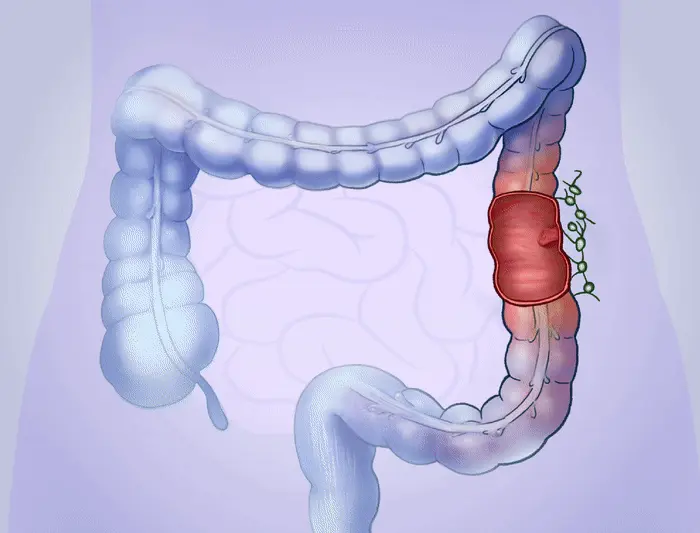

Blocking SORD slowed down the metastasis process, even with the presence of glucose-fructose mix, thus opening up potential treatment options, according to the statement.
“Our findings highlight that daily diet matters not only for cancer risk but also for how the disease progresses once it has developed,” said lead researcher Jihye Yun from the Department of Genetics at the cancer center.
“While these findings need further investigation, they suggest that reducing sugary drinks, targeting SORD, or repurposing statins may benefit patients with colorectal cancer.”
Statins are heart drugs used to inhibit cholesterol production.
Colorectal Cancer in Young People
Colorectal cancer, which includes both colon and rectal cancers, is the third leading cause of cancer-related deaths among men in the United States, according to data from the American Cancer Society (ACS). Among women, it is the fourth leading cause.When the numbers of men and women are combined, colorectal cancer is the second-most common cause of cancer deaths.
In 2025, ACS projects about 107,320 new cases of colon cancers and roughly 46,950 new cases of rectal cancers in the country. Total colorectal deaths for the year are expected to be 52,900.
“The rate of people being diagnosed with colon or rectal cancer has dropped overall since the mid-1980s, mainly because more people are getting screened and changing their lifestyle-related risk factors. From 2012 to 2021, incidence rates dropped by about 1 percent each year,” the ACS stated.
“But this downward trend is mostly in older adults. In people younger than 50 years of age, rates have increased by 2.4 percent per year from 2012 to 2021.”
In May 2024, a study presented at the Digestive Disease Week 2024 detailed the following numbers for colorectal cancer incidence rates between 1999 and 2020: an increase of 500 percent for 10- to 14-year-olds, a 333 percent jump for 15- to 19-year-olds, a 185 percent surge among 20- to 24-year-olds, and a 68 percent increase among 25- to 29-year-olds.
This specific study analyzed data from a Centers for Disease Control and Prevention database.
Among changeable factors, key risks include excess body weight, Type 2 diabetes, smoking, alcohol use, and certain diet types, such as high red meat or processed meat consumption and cooking food at very high temperatures.