More than 400,000 homes and businesses across much of the United States were without power on March 16 as a series of storms hit the Midwest, Mid-Atlantic, and South.
An update from monitoring website PowerOutage.us showed that more than 121,000 customers were without power in Michigan as of Monday afternoon, and 72,000 didn’t have power in Florida. Thousands of power outages were also reported in Ohio, Texas, Mississippi, Wisconsin, Pennsylvania, and New York state, according to the site.
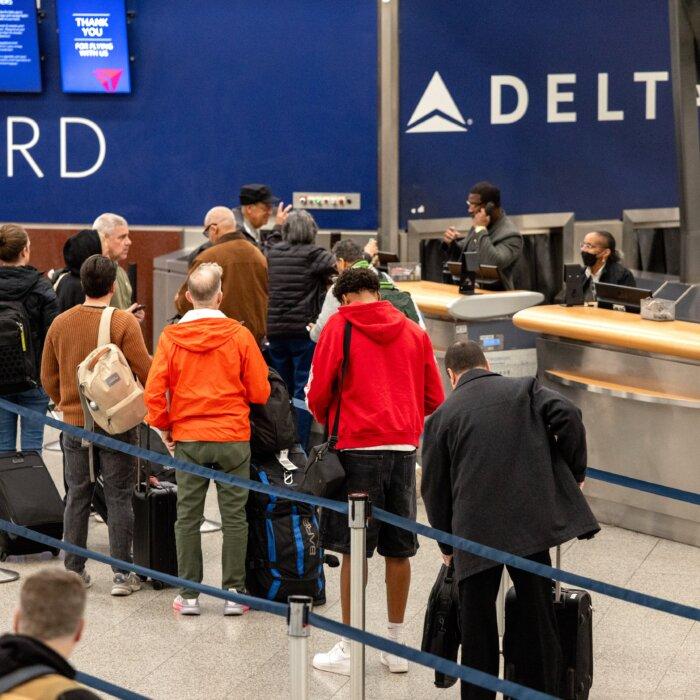
The storms forced airlines to cancel more than 4,000 flights nationwide on March 16, and many schools closed early in the mid-Atlantic states, where high winds and tornadoes were still in the forecast for the evening.
Tracking service FlightAware.com reported 4,600 cancellations and more than 8,200 delays across the United States as of the afternoon of March 16, including at major hubs such as Chicago O'Hare International Airport, LaGuardia Airport in New York City, Charlotte Douglas International Airport in North Carolina, and John F. Kennedy International Airport in New York City.
Forecasters have said that the East Coast storms were expected to leave sharply colder weather in their wake. Radar forecasts show that the storm will linger around areas of the Northeast until the morning of March 17.
The “intense cyclone” that brought the series of thunderstorms and showers across much of the eastern part of the country is expected to move off the coast by the night of March 16, the National Weather Service (NWS) said in a bulletin.

“Much of the trailing cold front will move over the waters except over Florida where chances for thunderstorms continue overnight with chances for downpours,” it stated.
Blizzard conditions continued in the Upper Midwest and Great Lakes on March 16 after the storm hit parts of Wisconsin and Michigan with several feet of snow. Since March 14, nearly three feet had fallen in the northern Wisconsin town of Mountain. Another round of snow and gusts on March 16 could bring another foot of snow across Michigan’s Upper Peninsula.
The low-pressure system that brought snow to the Midwest will then move to the northeast and into Canada on the night of March 16, and additional snow is expected over the Great Lakes region on March 17, according to the NWS.
Starting on March 17, a blast of Arctic cold air will then “gradually push further into the central Appalachians and Mid-Atlantic states converting some of the precipitation into snow over higher elevations,” the NWS said. The effects of the snow are expected to be moderate, although travel issues may persist.
Separately, more than 19,000 people were without power in Hawaii because of torrential rains and flooding, according to PowerOutage.us.