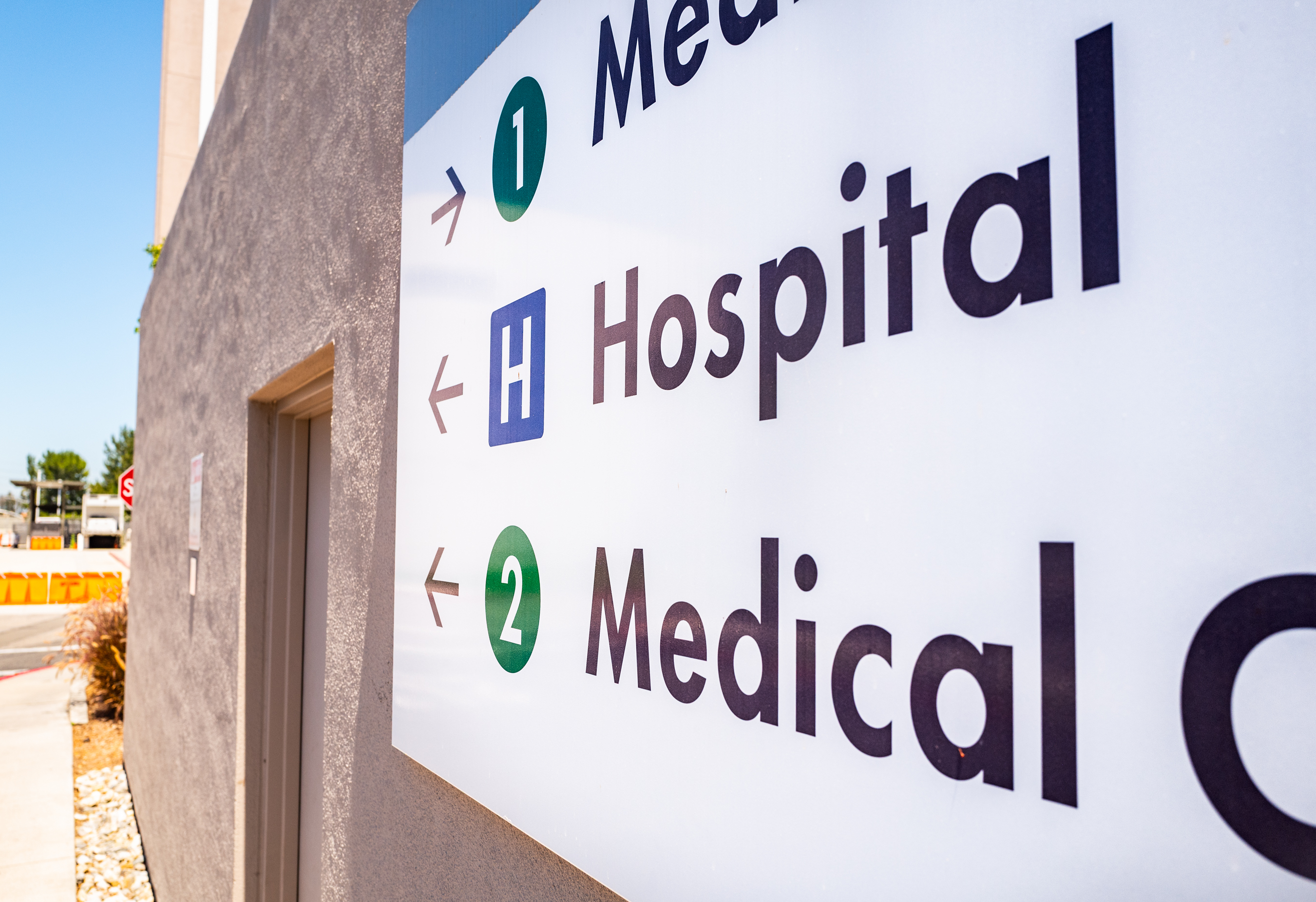

Rural hospitals in all 50 states can apply for federal funding to help them provide better, more dependable care starting in 2026.
The funding will be distributed over five years, with $10 billion available each year from 2026 through 2030.
First-year awards to states range from $147 million in New Jersey to $281 million in Texas.
Permissible Uses
States will have to spend the money for at least three approved uses.Chronic disease prevention and management is one primary focus. This includes physical fitness and nutrition initiatives as well as promoting apps or digital tools to help patients manage their health outside the doctor’s office.

The funds can also be used for services such as mental health support and substance use disorder treatment, including opioid addiction services.
Additionally, states can help communities analyze which services, such as emergency care, maternity wards, or primary care, are most needed in their area.
Some of the money can be used to recruit and retain clinical talent in small towns. Any clinician receiving these benefits must commit to serving that rural community for a minimum of five years. Funds also support training programs, such as rural residencies for new doctors and educational opportunities for students starting health care careers in their own communities.
Safeguards
One goal of the program is to create lasting change in rural hospitals, so direct payments to doctors for routine patient care are capped at 15 percent of the total award. That ensures the money is used to upgrade operations rather than to cover daily expenses.Spending on physical infrastructure, such as building renovations or equipment upgrades, is capped at 20 percent.
Funds Distribution
Half of the money, $25 billion, will be distributed equally among all 50 states, with each receiving baseline funding of $100 million.The state’s rural factors, which account for 50 percent of the merit system, include the size of the rural population, the proportion of rural health facilities, and the amount of uncompensated care in the state.
Alaska, Wyoming, Montana, South Dakota, and North Dakota rank as the most rural states. Highly urbanized states include New Jersey, Massachusetts, Rhode Island, Connecticut, and Maryland.
In the 2026 funding distribution, Alaska will receive $272 million, while New Jersey will receive $147 million. Connecticut and Rhode Island each will receive more than $150 million.
Texas was awarded the highest amount, $281 million, for 2026. Georgia will obtain nearly $220 million.
Texas also has the highest number of rural hospitals, followed by Kansas and Iowa, which each will receive more than $200 million in funding.