“Many violent crimes take place in Mexico. They include homicide, kidnapping, carjacking, and robbery. There is a risk of terrorist violence, including terrorist attacks and other activity in Mexico,” the State Department stated.
While Mexico’s countrywide travel advisory is Level 2 “Exercise Extreme Caution,” the severity of risk varies by state. The State Department has issued a Level 4 “Do Not Travel” designation for six Mexican states: Colima, Guerrero, Michoacan, Sinaloa, Tamaulipas, and Zacatecas.
A Level 3 “Reconsider Travel” designation has been applied to eight states: Baja California, Chiapas, Chihuahua, Coahuila, Guanajuato, Jalisco, Morelos, and Sonora.
“The U.S. government has limited ability to help in many parts of Mexico. U.S. government employees are not allowed to travel to certain high-risk areas,” the State Department stated. “Emergency services are limited or unavailable in remote or rural areas.”
Washington has instituted several travel restrictions on U.S. government employees in Mexico, including a ban on traveling between cities after dark; advisement to avoid traveling alone, especially in remote areas; and a prohibition on driving between Mexican border cities, the interior of Mexico, and the U.S.–Mexico border.
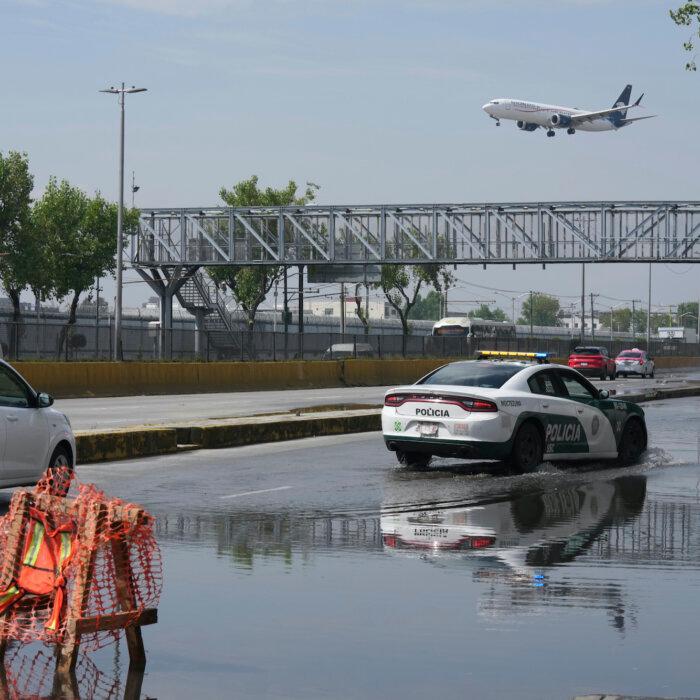
The government has also prohibited employees from traveling in taxis waved down on the streets. Instead, workers have been advised to rely on vehicles from app services such as Uber or regulated taxi stands.
“Due to security risks, U.S. citizens should follow the same restrictions as U.S. government employees while traveling,” the department stated in the advisory.
The department also advised Americans who encounter a road checkpoint to comply with the rules. Ignoring instructions or fleeing can result in injury or death, it warned.
Previous demonstrations in certain neighborhoods on July 4 and July 20 resulted in properties being vandalized, with some protesters throwing rocks “at people perceived to be foreigners,” according to the alert.
“U.S. citizens should avoid participating in demonstrations that may be deemed political by authorities, as Mexican law prohibits political activities by foreign citizens, and participation may result in detention or deportation,” embassy officials said in the alert.
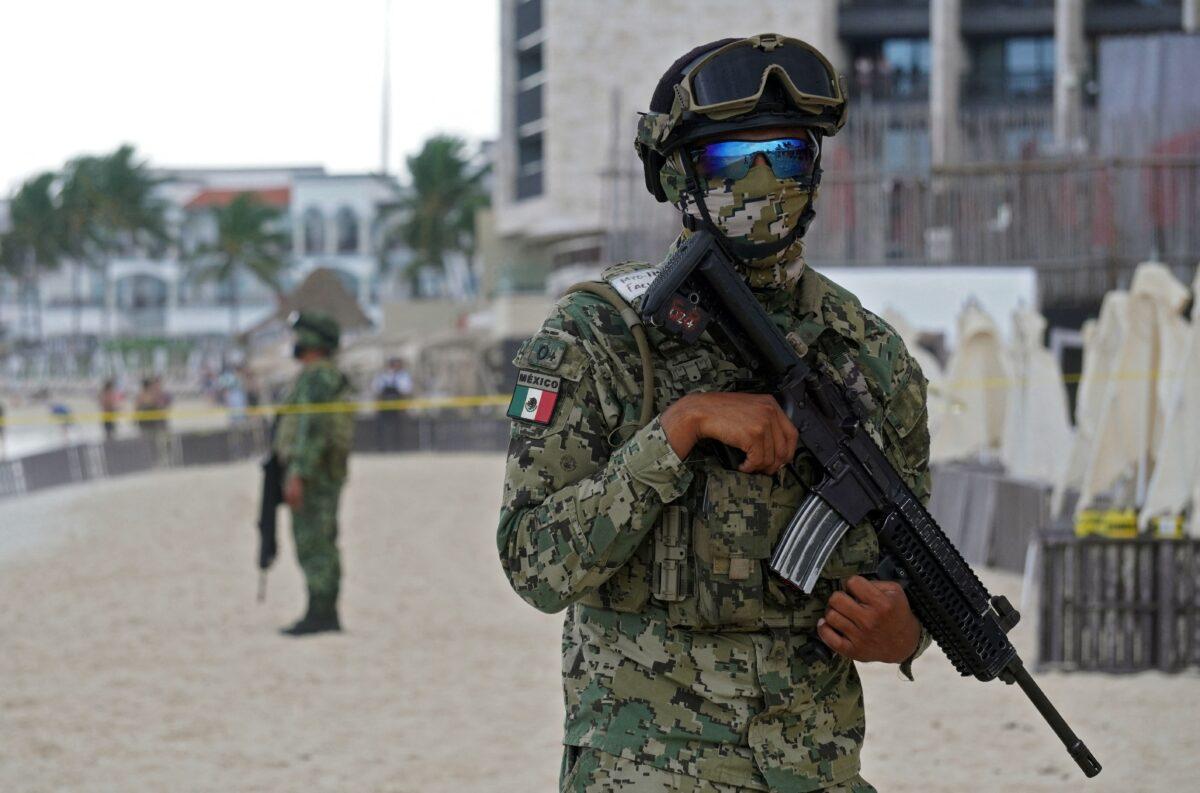
Other Security Alerts
Multiple other nations have also issued travel alerts for Mexico.It cited security risks such as high crime, terrorism, kidnapping, scams, and sexual assault.
“Crime is a risk to foreign nationals in Mexico, particularly in major cities and tourist resort areas. Street crime is a serious issue in these places,” the office said in a statement. “Sexual offences have been reported in tourist areas. Take care even in areas close to hotels, and especially after dark.”
The Canadian government asked people to avoid all nonessential travel in a number of states including Chiapas, Chihuahua, Colima, Guanajuato, and Jalisco “due to high levels of violence and organized crime.”
Out of the 297 crimes against Canadian travelers worldwide, 52 cases were in Mexico, it said. Out of the 1,500 incidents of Canadians dying abroad, which include deaths from all causes, 204 happened in Mexico.