The State Department is considering requiring a $100,000 bond for green card applicants seeking lawful permanent residence in the United States.
State Department spokesperson Tommy Pigott told The Epoch Times in a July 17 statement that the Trump administration was working “to introduce commonsense and effective procedures to enforce U.S. laws, restore the integrity of our immigration system, and protect American public benefits programs from the financial burden of foreigners who arrive with major, expensive medical or other needs.”
“As part of this comprehensive initiative, the Department is exploring the use of a long-standing legal authority under the Immigration and Nationality Act (INA) to require certain visa applicants—those who are otherwise ineligible for a visa because they are likely become a public charge—to post a bond as a way to demonstrate they have access to the funds needed to support themselves,” he said.
Employers use H-1B visas to hire foreign workers who are allowed to be in the United States but do not have permanent residency like green card holders.
Each green card category has a fee, and the amount depends on whether the applicant is applying from outside or inside the United States.
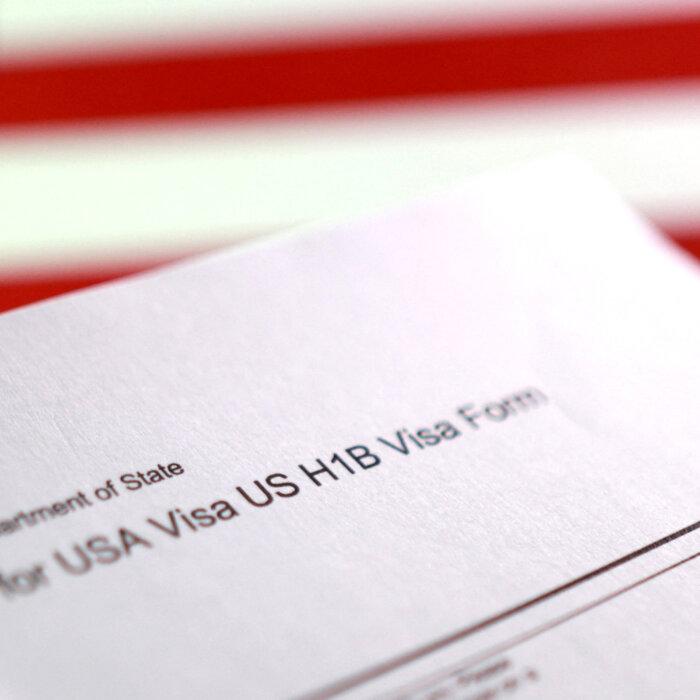
It costs $1,440 to file a Form I-485 inside the United States. Those applying for a work permit and travel documents are charged additional fees unless filed concurrently under certain conditions.
Those applying for a DS-260 visa outside the United States pay $325.
There is a $235 U.S. Citizenship and Immigration Services immigrant fee to process the application and produce the card once the visa is cleared.
A $100,000 bond is a significant increase for those seeking permanent residency in the United States.
The Trump administration has implemented numerous visa policies.
“Foreigners who finance, incite, or aid and abet Far-Left Terrorists are enemies of our civilization,” Rubio said in a post on X. “They are not welcome in the United States.”
The State Department said the measures are being implemented pursuant to Section 212(a)(3)(C) of the Immigration and Nationality Act, which allows the Secretary of State to prohibit entry to foreign nationals whose presence is deemed a threat to U.S. foreign policy interests.