According to the watchdog, fraudsters send targets emails with the subject line “Alert: Social Security Account Issues Detected” and an official-looking attachment titled “Suspension of Social Security Number Due to Criminal Activities,” using fake SSA OIG letterhead.
“This high-pressure scam claims the recipient’s Social Security number will be suspended within 24 hours and their case referred for criminal prosecution, listing several charges,” OIG stated. “The attachment is stamped ‘Official Document’ and ‘Official Government Communication,’ urging recipients to immediately contact the OIG using the provided number.”
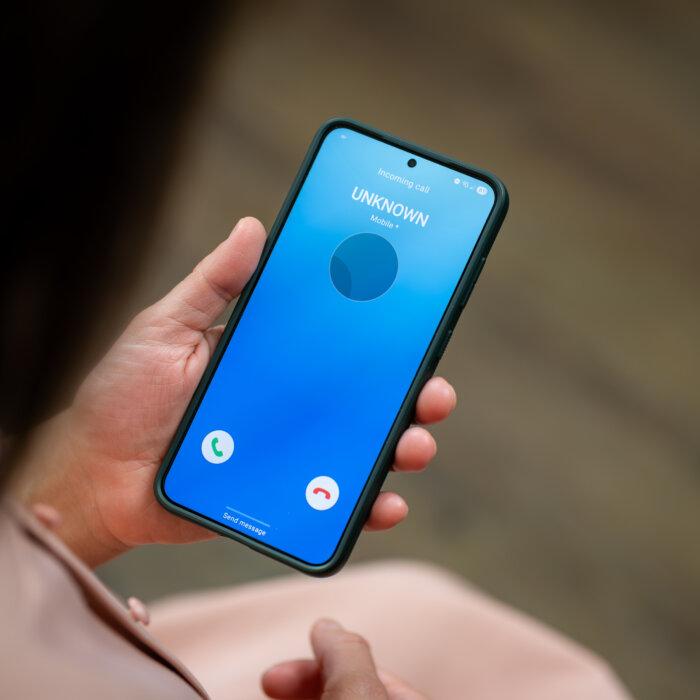
If the individual calls this number, a scammer answers him or her by impersonating SSA OIG, according to OIG. Alternatively, targets can receive an automated message asking them to send a text.
The fraudster impersonates an actual SSA employee, using the real name of an employee to request the personal information of the target.
OIG asked beneficiaries to be aware of scammers pretending to be from the SSA or any other government agency, and advised them to talk to people they trust before sending any money to third parties.

“SSA Office of the Inspector General will never send letters like this,” acting OIG Inspector General Michelle L. Anderson said in the statement.
“Scammers continue to exploit fear and confusion by using official-looking letters and real SSA employee names to threaten you and convince you they’re legitimate so that you will respond and provide them with your personal information and money.
“If you get an unexpected call, text, email, letter, or social media message from SSA OIG or any government agency, pause and think scam first. The person contacting you may not be who they claim to be.”
In this scam, fraudsters send official-looking letters on fake court letterhead, using forged signatures of Chief Justice John Roberts and Justice Sonia Sotomayor.
The letters claim that the target is a primary suspect in legal proceedings involving criminal charges and that the court has asked financial institutions to freeze his or her assets.
“This high-pressure scam urges individuals to cooperate with the named SSA official, pressuring them to send money or share personal information,” the October OIG statement reads.
“The letter ominously closes by stating, should the recipient encounter any difficulties in safeguarding assets, the recipient will bear full liability for any losses incurred following the suspension of their [Social Security number]. Scammers most likely will follow up with text messages or telephone calls.”
It advised people to never give out personal information such as Social Security numbers over the phone or to people they do not know.
Such impersonation scams resulted in a loss of more than $405 million in 2024, up from $240 million in 2022, the report states.
According to the SSA, such scams were one of the most common government imposter scams reported to the Federal Trade Commission.
“Social Security employees do contact the public by telephone for business purposes,“ the SSA stated. ”Ordinarily, the agency calls people who have recently applied for a Social Security benefit, are already receiving payments and require an update to their record, or have requested a phone call from the agency.
“If there is a problem with a person’s Social Security number or record, Social Security will typically mail a letter.”