SpaceX plans to start construction on an 8-mile “Starpipe” natural gas pipeline on July 7 to bring fuel directly to its Texas launch site, according to the company’s filing with the Texas Railroad Commission.
Elon Musk’s space company’s contractors Lone Star Mineral Development filed plans for the 16-inch underground pipeline, which will carry liquefied natural gas (LNG) from the Port of Brownsville to Starbase in Cameron County, Texas.
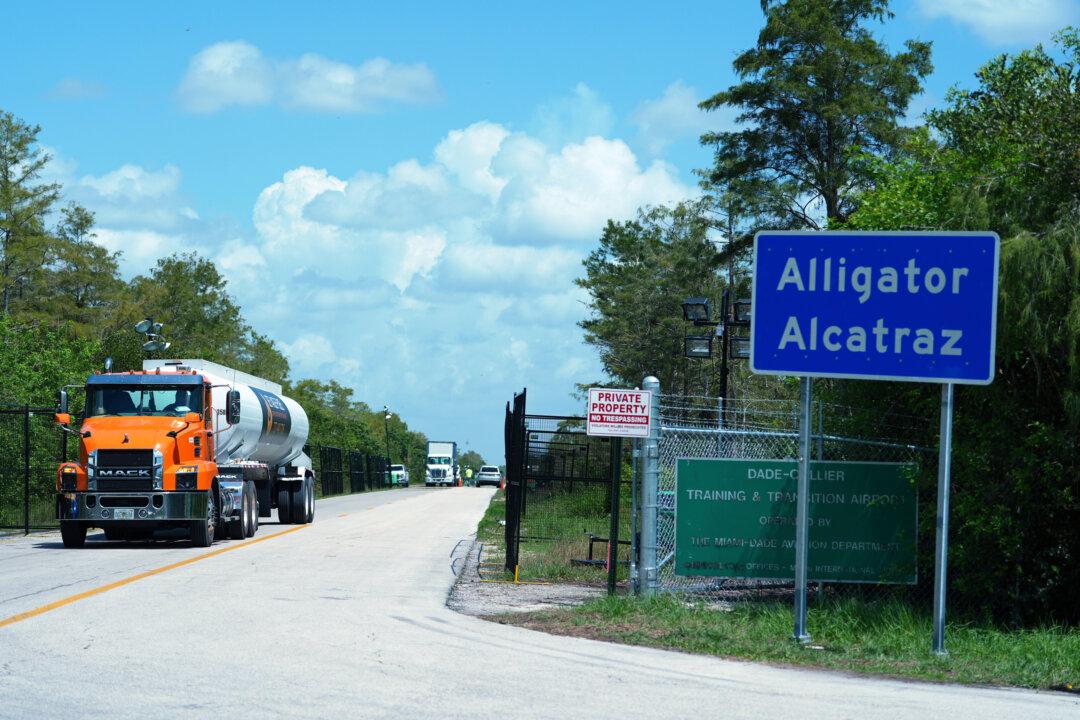
The Starship rocket uses about 630,000 gallons of liquid methane for each launch, requiring several trucks to deliver the fuel.
SpaceX’s Gwynne Shotwell said the pipeline was only one part of the company’s capital investment.
“We’re building our own natural gas pipelines,” Shotwell told CNBC on June 12. “We are actually looking at basically mining our own natural gas. So [we’ve made] these huge investments to develop our own propellant and bring it to the rocket. Launch sites are quite expensive.”
Port commissioners approved a right-of-way easement at the end of May, allowing for construction to start. SpaceX is finalizing construction plans and agreed to pay a $1 million channel crossing fee along with thousands of dollars in other fees for using the site, according to port staff.

The pipeline could start transporting fuel by January 2027 and is planned to replace hundreds of tanker truck deliveries.
Starship runs on methalox, a chilled mix of liquid methane and liquid oxygen. The methane is sourced from LNG trucked into Starbase.
Replacing the trucks with a pipeline will allow SpaceX to refuel faster, considering Musk’s plans to use the rocket to build a city on the Moon before eventually reaching Mars.
“Once Starship is flying hourly, SpaceX’s mass to orbit will be about 100 times more than everyone else combined, even if they triple their current launch rate,” Musk said on X on June 19.
Musk’s goal is to launch Starship about 10,000 times a year, or more than once an hour, he said last month.
Mobius Risk Group, a Houston-based tech commodity advisory firm, said Musk’s plans for SpaceX highlighted why the space industry represented a “severely under-appreciated source of natural gas demand growth.”

“Adjusting for liquefaction, each Starship launch consumes [about] 55 million standard cubic feet of natural gas,” Mobius Risk Group reported June 8, before SpaceX was listed on Nasdaq.
Factoring in Musk’s plan to launch 1,000 flights per year by 2028, that would equate to about 0.2 billion cubic feet per day, the company said.
SpaceX has completed 12 Starship test launches.
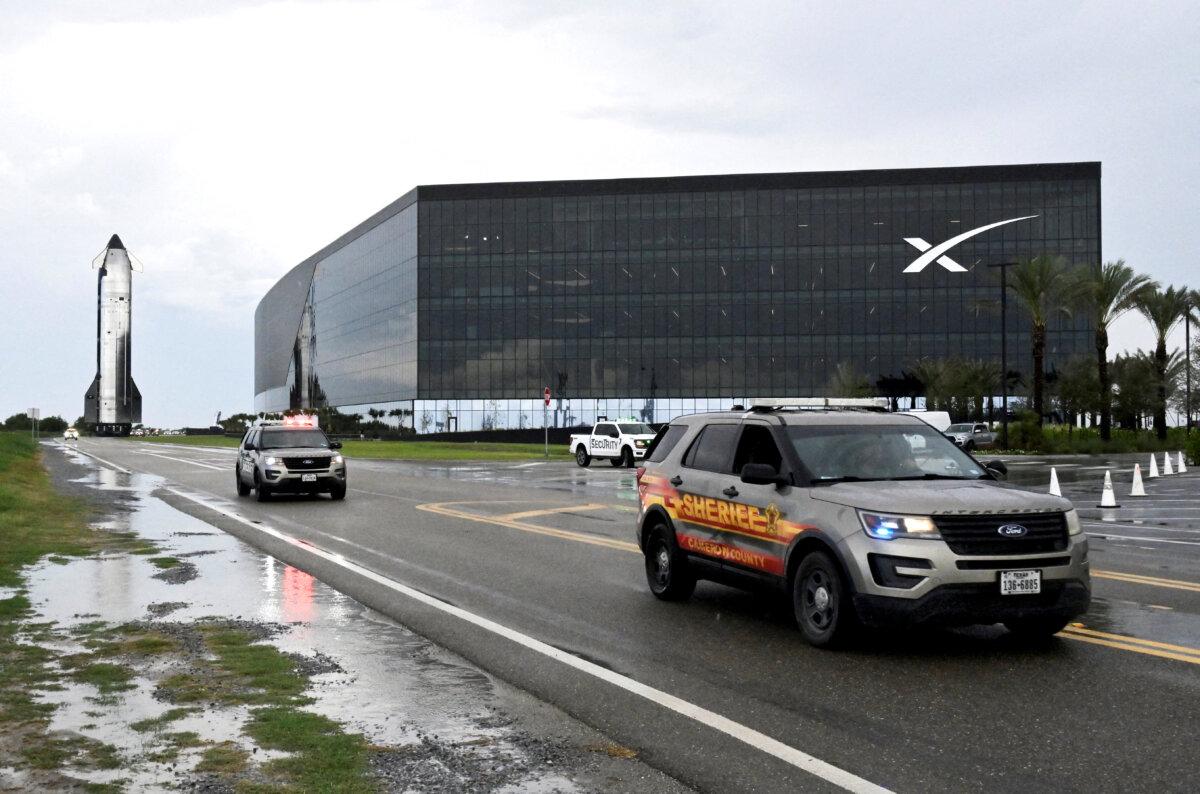
Starship launches are on hold, however, until the Federal Aviation Administration completes an investigation into its flight test May 22 when its Super Heavy booster failed to light all planned engines and landed hard in the Gulf of America.
Starship also lost one of its Raptor 3 vacuum engines but managed to achieve its planned trajectory, the company said.