Small business Chapter 11 bankruptcy filings jumped 50 percent in the first half of 2026 from the same period last year, signaling pressure on business owners.
Chapter 11 is a type of bankruptcy filing that reorganizes a company’s debt to keep it afloat and allow the entity to become solvent. Subchapter V of Chapter 11 relates to small business filings. In the first half of this year, a total of 1,663 Subchapter V bankruptcy filings were made, up from 1,107 filings in the first half of 2025, the American Bankruptcy Institute (ABI) said in a July 8 statement.
Overall commercial Chapter 11 bankruptcy filings also increased, with 4,589 filings in the first half, up by 28 percent annually.
“The increase in bankruptcy filings over the past year, particularly among small businesses, reflects ongoing financial pressures facing households and employers,” ABI Executive Director Amy Quackenboss said in a statement.
“Higher borrowing costs, increasing expenses, and geopolitical volatility are leading more debtors to turn to the bankruptcy system to restructure obligations and pursue a financial fresh start.”
Optimistic sentiment among small businesses has dipped. In a June 9 statement, the National Federation of Independent Business (NFIB) said that its Small Business Optimism Index declined in May. The index is based on surveys of NFIB members.
Eighteen percent of respondents cited inflation as the single most important business problem they face, the highest level since December 2024.
A net 36 percent of respondents in the survey raised their average selling prices, the highest since March 2023. A net 34 percent said they planned to raise prices.
The NFIB had called on Congress to advance small business priorities this year, according to a Jan. 6 statement from the organization.
Top priorities include lowering healthcare costs for small business owners, reducing fuel and electricity costs, passing regulatory reforms, minimizing labor mandates, and granting the right to repair cars, smartphones, and tractors.
“2025 was an eventful year for small businesses, highlighted by the permanent extension of the 20 percent Small Business Deduction, which stopped a massive tax hike on more than 33 million small business owners nationwide,” NFIB Senior Vice President for Advocacy Adam Temple said in a statement.
Supporting Small Businesses
In May, the Small Business Administration announced a new $50 million grant to support the Made in America manufacturing initiative.The fund aims to ensure small domestic manufacturers receive the necessary technical assistance and training.
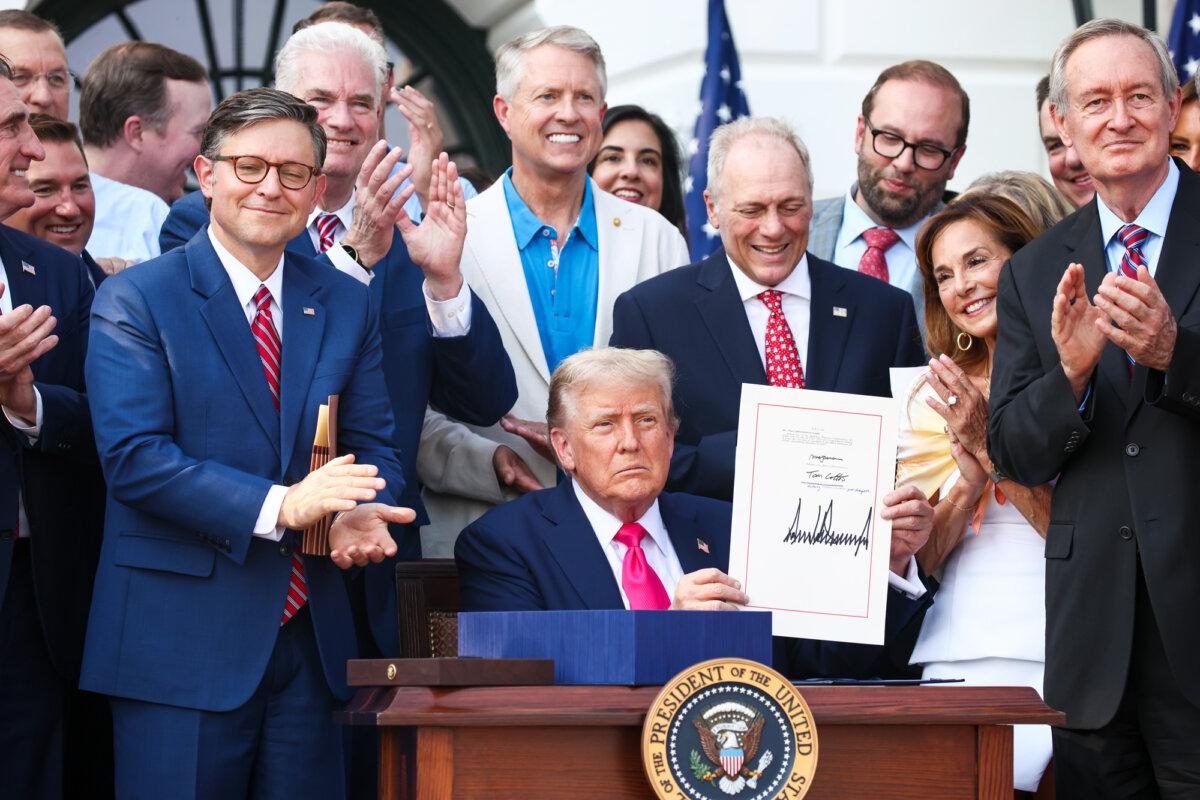
“Across the country, households and businesses are already seeing the benefits of this legislation, with millions of Americans keeping more of what they earn and watching their paychecks go further,” Bessent said at the time.
This was a reversal from a rising trend over the previous two months, which economists attribute to the trend of non-teaching staff from educational institutions applying for unemployment benefits during the summer holiday.
The U.S. Chamber of Commerce called for maintaining the U.S.-Mexico-Canada Agreement (USMCA) deal in a June 29 statement, citing benefits for American businesses.
The Chamber said that more than 13 million U.S. jobs in agriculture, manufacturing, energy, and service sectors are dependent on North American trade.
Streamlined trade facilitation measures and preferential treatment enabled by the USMCA allowed small businesses to compete in international markets, the Chamber said.
Washington will discuss with partners to “address the Agreement’s shortcomings and our trade deficits with these countries,” he said. The deal has not been canceled and remains in force pending the resolution of disagreements or until it expires.
Lawmakers have criticized USMCA for offshoring manufacturing jobs from the United States and causing a depression in domestic wages.