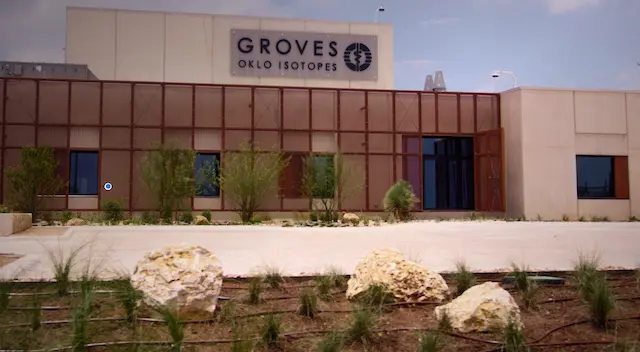
Dallas-based enCore Energy Corp announced on Sept. 2 that the U.S. Federal Permitting Improvement Steering Council has greenlit its 10,580-acre Dewey Burdock In-Situ Recovery Uranium Project in Custer and Fall River counties for rapid review.
Burdock is an advanced-stage project licensed by the Nuclear Regulatory Commission since 2014. It will recover uranium from sandstone by dissolving uranium minerals “in place” and pumping a uranium-bearing solution into a processing plant for recovery.
In those May actions, the president called for adding 10 new nuclear reactors to the 94 already in operation at 54 nuclear power plants across 28 states, by 2030.
None of this is possible without mining and processing uranium—an industry dominated for decades by Russia and Kazakhstan.
More Ore Needed
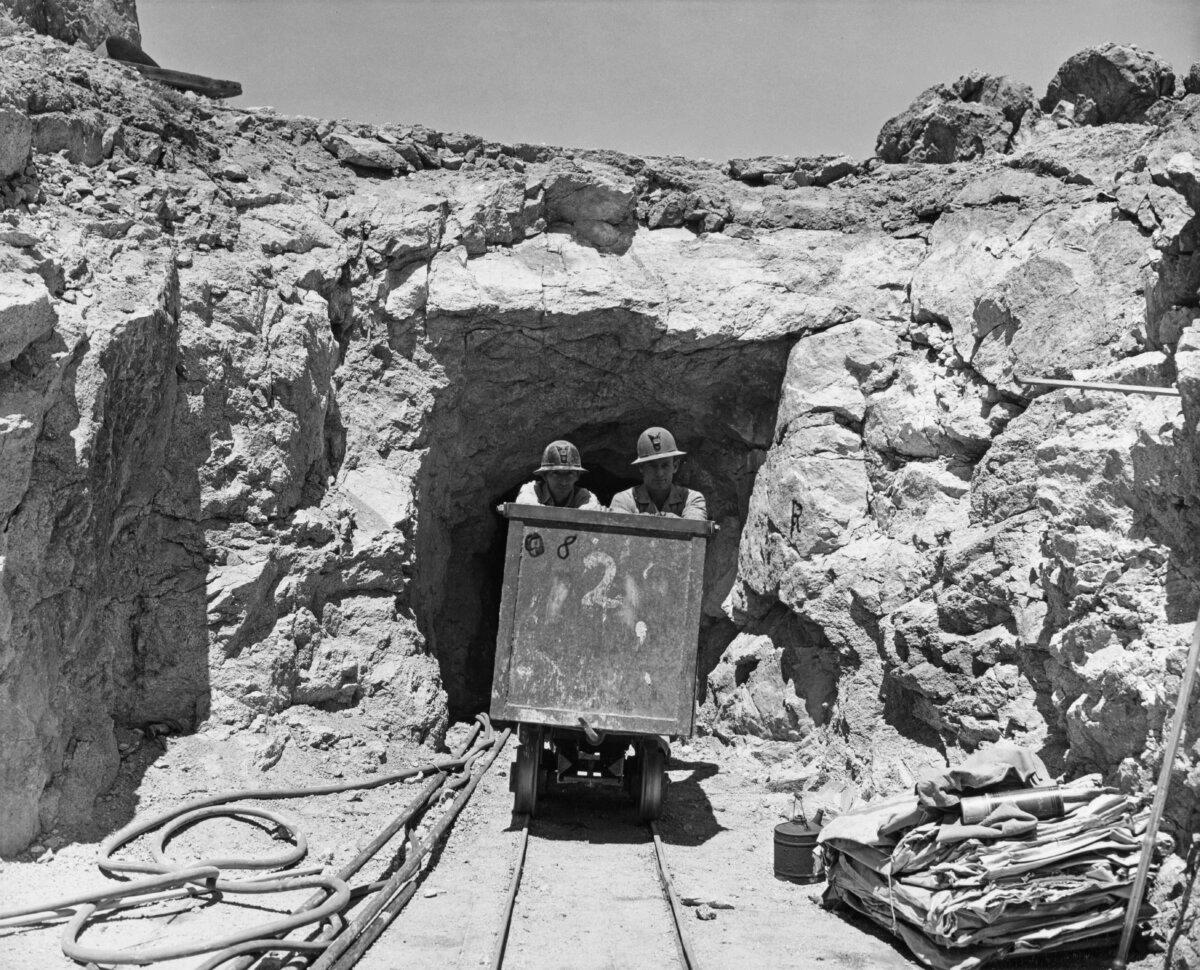
A half century ago, the United States was the world’s largest uranium producer. In 1980, domestic operators produced 44 million pounds annually, about 90 percent of the uranium used by 251 nuclear power plants, according to the U.S. Energy Information Administration.By the mid-1990s, however, U.S. nuclear power plants were increasingly importing less expensive low-enriched uranium largely from Russia and Kazakhstan.
By 2021, only 5 percent of uranium used by U.S power plants was produced domestically, with Canada (27 percent), Kazakhstan (25 percent), Russia (12 percent), Uzbekistan (11 percent), and Australia (9 percent) as the leading suppliers.
Those measures are paying off, the U.S. Energy Information Administration documented on Aug. 5 in its annual Domestic Uranium Production Report.
This is still far below the 44 million pounds U.S. mines produced in 1980 and the 50 million pounds consumed annually by domestic nuclear reactors.
From the Ground Out
Other fast-tracked uranium projects include:Laramide Resources Crownpoint-Churchrock projects in McKinley County, and La Jara Mesa project in Cibola County, New Mexico. The two project areas are separated by 22 miles but are covered under the same permit. Both received Fast-41 designations in May.
Crownpoint is a 32-year expansion 12 miles from Gallup spanning 4,160 acres. La Jara has been licensed since 2008 as an underground mine for up to 20 years in Cibola National Forest.
New Mexico-based Grants Energy will use fracking and in-situ recovery technologies in its Grants Precision project 20 miles from the town of Grants.
Energy Fuels of Denver projects it can produce 2.7 million pounds of uranium annually for nine years at its Roca Honda Project, a conventional mine.
The Sweetwater Project of Uranium Energy Corp. (UEC) in Wyoming’s Red Desert has a licensed capacity of 4.1 million pounds of yellowcake a year and will process both conventional ore and in-situ recovery resin, making it the nation’s largest “dual” operation, at its Sweetwater processing plant.
In August 2025, UEC announced the startup of uranium production at Christensen Ranch, also in Wyoming.
Christensen Ranch uranium is being processed at UEC’s Irigaray Plant as part of the company’s Willow Creek uranium recovery project in the Powder River Basin.
UEC Chair and former U.S. Secretary of Energy Spencer Abraham said in the statement that vertical integration helps address the problem of relying on outside sources to “supply and process the critical materials essential to ... national and economic security.”