A bipartisan group of senators introduced legislation on July 14 to prompt congressional action in tackling Social Security’s looming insolvency.
“Millions of Americans rely on Social Security to live. In 6 years, those families will see a 22% cut to their benefits if Congress doesn’t act,” Sen. Bill Cassidy (R-La.), one of the bill’s sponsors, said in a statement. “Our plan preserves promised benefits for current retirees and the next generation of Americans.”
Under the PROMISE Act, the Social Security Advisory Board, an independent advisory committee that advises Congress, will need to submit a base bill aimed at keeping the Social Security Trust Funds funded for at least the next 50 years.
The base bill would be introduced by the Senate and House majority leaders or any members of Congress before being referred to the relevant committees for consideration.
Both chambers of Congress would then vote on the passage of the measure, with final passage requiring a three-fifths vote in the Senate and a simple majority in the House, according to the statement.

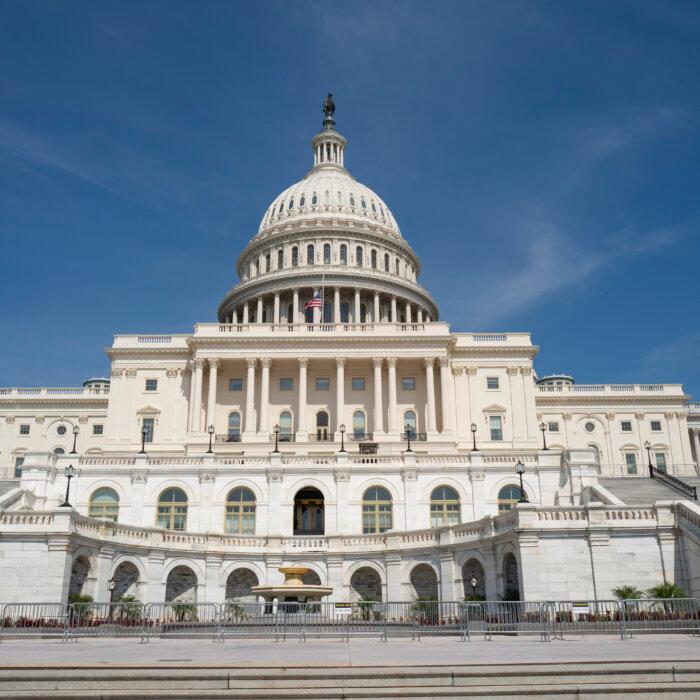
The proposed bill is also sponsored by Sens. Dick Durbin (D-Ill.), Thom Tillis (R-N.C.), Tim Kaine (D-Va.), John Cornyn (R-Texas), and Angus King (I-Maine).
Durbin said in the statement that Congress has known about Social Security’s financing challenges for more than a decade but has failed to act.
“The longer Congress waits, the more difficult it will be to address this issue in the future,” Durbin said. “Our bipartisan proposal opens Congress to debate this issue in a transparent, fair, and bipartisan way.”
Social Security’s programs use revenue from federal payroll taxes to pay benefits to Americans. When the payments exceed tax income, Social Security uses trust funds to cover the difference.

The annual trustees’ report, released by the Social Security Administration in June, said the trust fund’s long-term outlook worsened this year due to lower fertility rates and lower-than-usual estimates of temporary and illegal immigration, affecting the projected future workforce and taxable payroll.
The One Big Beautiful Bill Act, signed into law by President Donald Trump in July 2025, also had an impact, the report found. It permanently lowered “income tax rates and adjusted tax brackets originally enacted under the 2017 Tax Cuts and Jobs Act and both increases and makes permanent the larger standard deduction of the 2017 Act.”
Nearly 71 million Americans were receiving Social Security benefits as of January 2026, while 7.5 million receive Supplemental Security Income, according to the Social Security Administration’s website.