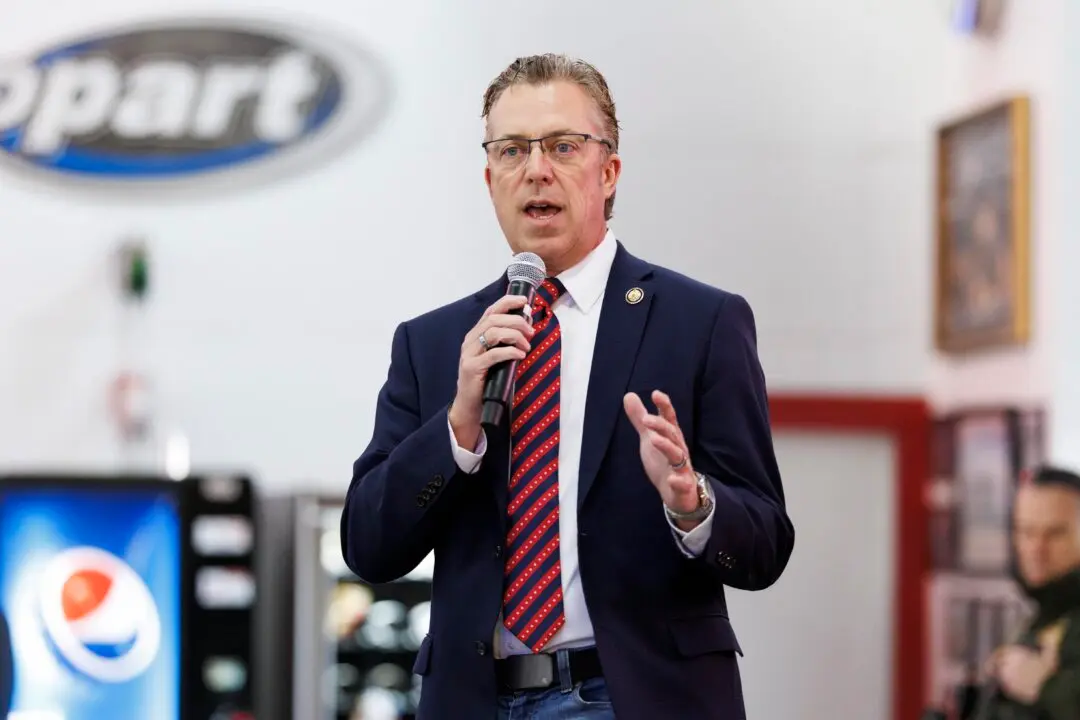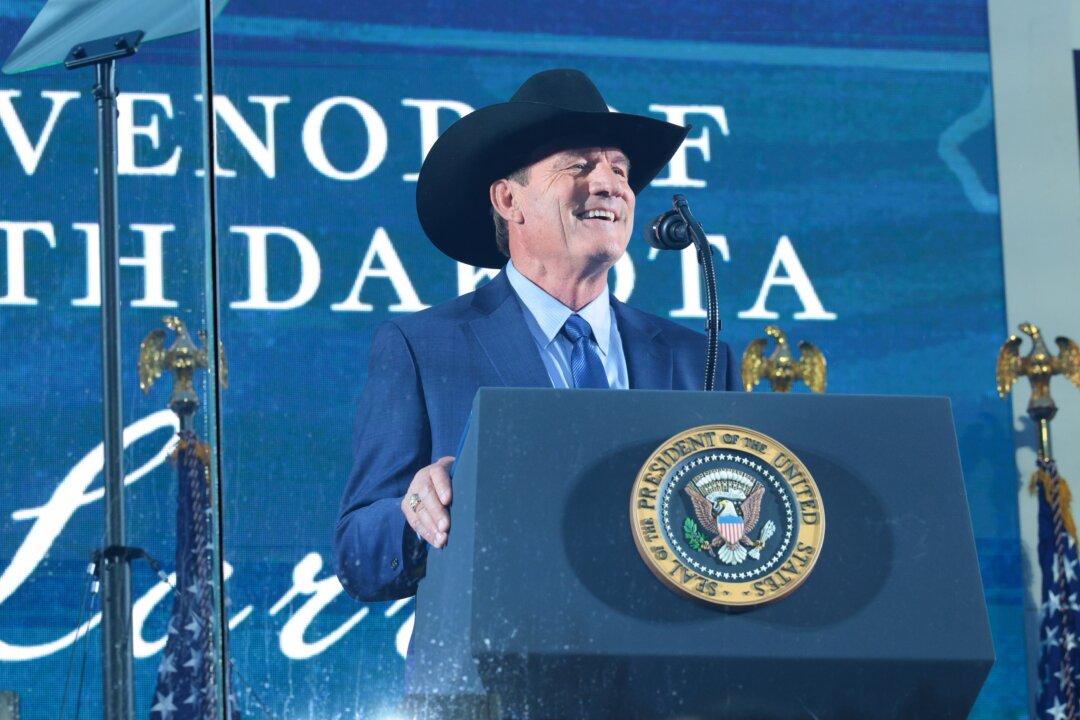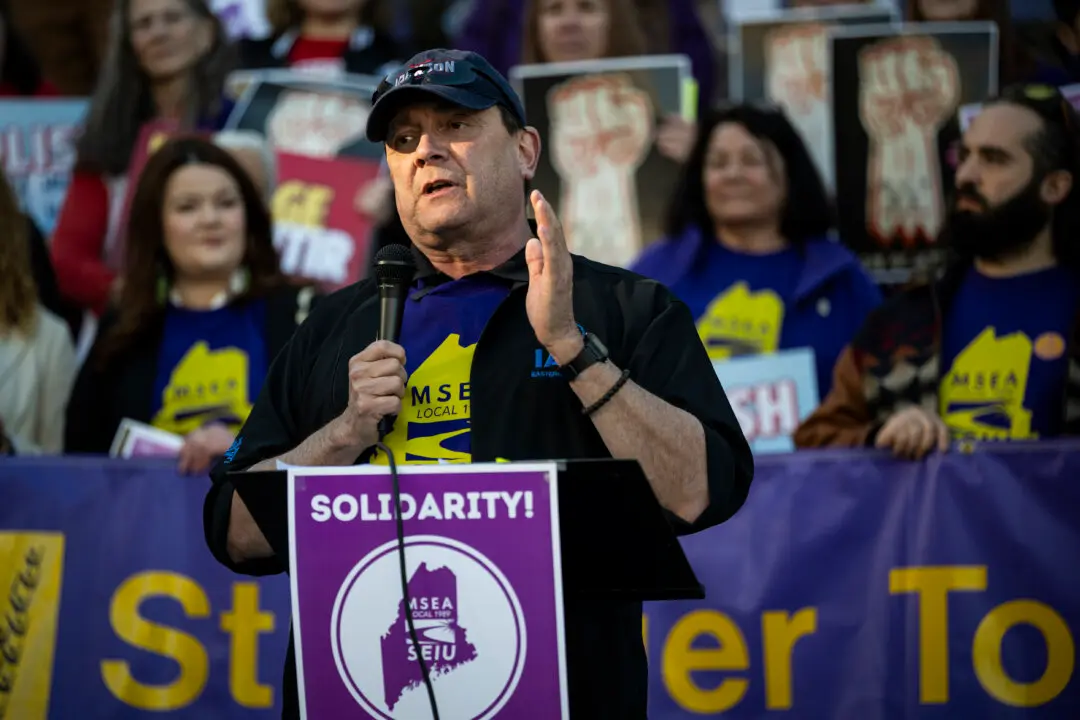
The Senate is set to take a vote Thursday on 97 nominees, mostly for the executive branch, in one swoop.
It comes as President Donald Trump has expressed increasing frustration with his nominees’ difficulties getting confirmed in the Senate.
In August 2025, Trump accused Senate Democrats of delaying the confirmations of “talented people,” saying, “If George Washington or Abraham Lincoln were up for approval, the Dems would delay as long as possible, then vote them out.”
On Thursday, the Senate will consider its third tranche of nominees after recently changing the rules to allow non-Cabinet-level nominees to be confirmed en bloc. The rules change was due to what Republicans said was Democrat obstruction of nominees that passed out of committee without controversy.
With hundreds of positions still unfilled, the Senate is expected to place a measure confirming 97 nominees into a single resolution to be considered by the Senate.
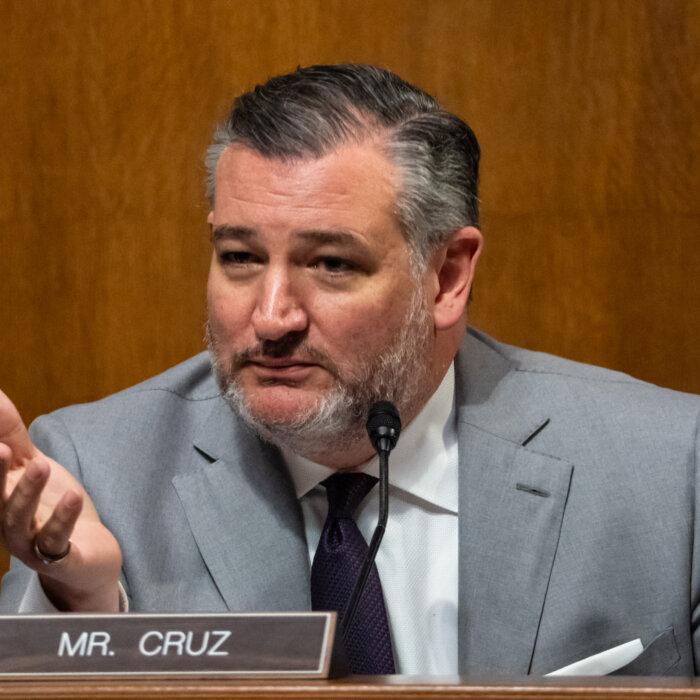
Blue Slip
The main issue is the so-called “blue slip,” describing a Senate tradition under which senators from the state in which a judicial nominee has been selected can unilaterally block the nomination.Throughout his first term, Trump has called for an end to the practice.
On Dec. 16, Trump repeated his opposition to blue slips, saying at the White House that they are relics of a different time.
“They should get rid of blue slips. If you have one Democrat in a state, it is not possible to appoint because of blue slips,” Trump said. “This is a different world than it was 15, 20 years ago. That was a gentleman and gentlewoman’s world. This is a little bit different, unfortunately.”
He has faced substantial opposition to this change from members of both parties in the Senate, with Senate President pro tempore Chuck Grassley (R-Iowa) leading GOP opposition.
Earlier this month, Trump reiterated his calls for Republicans to end the practice.
U.S. Attorneys
The most high-profile cases where a blue slip has been used are nominees for U.S. attorney, particularly in Democratic states.Trump has sought to bypass these blue slips by keeping his nominees working in an extended “acting” capacity. A recent example of this involved Alina Habba, Trump’s former personal attorney and his pick to serve as U.S. attorney for New Jersey.
Both of the state’s Democratic senators—Sens. Cory Booker and Andy Kim—have issued blue slips against her confirmation. After Trump attempted to appoint Habba in an acting capacity, a judge struck the effort down as unlawful without Senate approval.
Hours of Debate
The blue slip issue fits into a larger controversy surrounding Trump’s nominees that has raged nearly since Trump took office in January.For most of U.S. history, lesser nominees such as the ones currently delayed have been confirmed via unanimous voice votes. Since Trump’s second term began, Democrats—who don’t control any branch of the government or either chamber of Congress at present—have sought to slow nominees’ confirmations.
Blue slips have played a key role in this strategy. However, Senate Democrats have also taken advantage of standing rules that allow them to take several hours of debate even on lesser nominations—which they have done, refusing to provide their support for unanimous consent approvals of a list of nominees.
Republican Opposition to Some Nominations
Not all of these nominees have been slowed solely by Democrats. A handful of recent high profile nominees failed—and were forced to withdraw—primarily due to GOP opposition.One of the most notable examples is Paul Ingrassia’s nomination to head the Office of Special Counsel. Following the leak of allegedly racist comments made by Ingrassia in a group chat—which Ingrassia claimed he had “no recollection of”—Senate Republicans indicated that the nomination was in trouble.
Ultimately, Ingrassia withdrew.
Nominees Being Considered En Bloc
Many nominees being considered Thursday are lower profile, and the 97 individuals on the list are far from all the nominees still awaiting Senate consideration.Some of those on the list include Department of Homeland Security General Counsel nominee James Percival, who would play a role in defending the administration in disputes over mass deportation, and Treasury Department anti-terrorism nominee Jonathan Burke, who would help combat funding for groups designated as terrorist organizations by the administration, including trans-national drug cartels.
They also include a slate of ambassador nominees, including Trump’s pick to serve as ambassador to South Africa, which has made headlines recently as the nation’s white minority faces persecution and attacks.
The list also includes Yehuda Kaploun, who has been nominated as special envoy to monitor and combat anti-semitism, which is described as an ambassador-equivalent position.
It would also give Tammy Bruce, who has served as the top spokesperson for the State Department during Trump’s second term, a promotion to deputy to UN Ambassador Mike Waltz. The post is equivalent to an ambassadorship, and Bruce would serve as Waltz’s No. 2 for all U.S. activity at the United Nations.