A Senate committee on June 18 advanced a far-reaching proposal that could significantly alter the future of college athletics while addressing many of the challenges it is currently facing.
In a vote of 19–9, the Senate Commerce, Science and Transportation Committee approved the Protect College Sports Act of 2026.
The legislation seeks to regulate compensation to players, restrict athletes to one free transfer over their career, and prevent coaches from switching jobs during a season.
“The greatest threat to college sports is inaction,” the committee’s chairman, Sen. Ted Cruz (R-Texas), said during a committee meeting ahead of the vote.
One of the bill’s most notable provisions would grant the NCAA limited protection from certain antitrust laws while establishing a uniform national framework for name, image, and likeness (NIL) regulations. The federal standards would replace the current system of varying state laws governing athlete endorsements and compensation.
The legislation would also expand eligibility rules by allowing student-athletes to compete for five seasons within a five-year period. Athletes would be restricted to a single transfer during their college careers, and Division I institutions would be required to honor athletic scholarships for up to a decade after an athlete’s final season of competition.
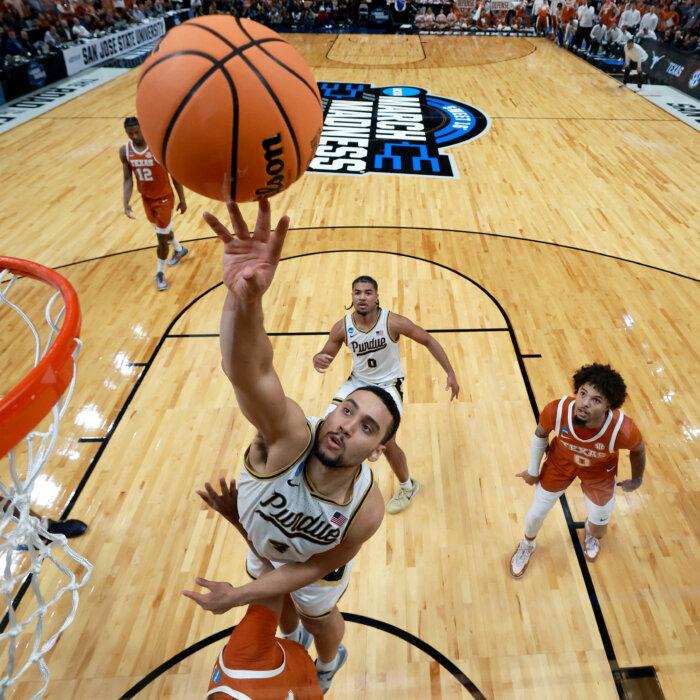
Another key element would amend the Sports Broadcasting Act to permit conferences to collectively negotiate and pool television rights. Supporters contend the move could generate billions of dollars in new revenue, though those estimates have been disputed by the Southeastern Conference and Big Ten Conference.
Health and safety protections are central to the proposal. Division I schools would be obligated to cover out-of-pocket medical expenses related to sports injuries during an athlete’s participation and for five years afterward. Additional requirements include catastrophic injury insurance, access to independent medical opinions, post-career health evaluations, and the creation of a $60 million NCAA-funded medical trust to support athletes and smaller institutions facing long-term healthcare costs.
Under the proposal, college football coaches would no longer be allowed to leave their programs during the season to accept another head coaching position at a different college. The provision follows recent high-profile coaching moves, including Lane Kiffin’s departure from the University of Mississippi to become head coach at Louisiana State University.
Lawmakers also seek to address concerns surrounding NIL arrangements. The bill would prohibit compensation structures that are designed to circumvent revenue-sharing limits or that function as disguised pay-for-play agreements, while preserving education- and athletics-related benefits authorized under the House settlement.
The House v. NCAA settlement opened the door for Division I athletes to receive a share of up to $20.5 million in revenue generated by their schools, with that figure expected to rise over time. The agreement also provided nearly $2.8 billion in back compensation for athletes who competed between 2016 and 2024.
The Protect College Sports Act would continue the revenue-sharing framework beyond the expiration of the House settlement following the 2034–2035 academic year and would permit annual adjustments tied to inflation.
One of the most debated questions in college sports—whether student athletes should be considered employees of their universities—remains unresolved under the legislation, which does not take a stance on the issue. Previous congressional proposals, including the SCORE Act and SAFE Act, attempted to address athlete employment status. A planned House vote on the SCORE Act was recently canceled amid concerns that the measure lacked sufficient support. That proposal would have barred student athletes from being classified as employees.
Finally, the legislation would restrict certain high-revenue conferences, including the Southeastern Conference and Atlantic Coast Conference, from merging with or acquiring other athletic conferences.
The bill has the support of more than 20 collegiate athletic conferences, representing 228 colleges and universities across 46 states, according to the committee.
But there are notable organizations that do not support the legislation. These include the Southeastern Conference and the Big Ten Conference.
In a joint statement released Thursday morning, the two conferences wrote that “revisions are needed to secure our support for the bill.” They did not specify what changes they wanted to see.
“What we did today was say we’re not going to let the most powerful, richest conferences dictate to the rest of America what’s going to happen to 500,000 athletes,” Sen. Maria Cantwell (D-Wash.), the committee’s ranking member, said following the committee vote.