Sen. Rick Scott (R-Fla.) on Aug. 6 introduced legislation that would create a congressional framework authorizing the use of tariffs to address trade imbalances with trading partners.
The legislation, dubbed the Trade Deficit Elimination Act, would require the U.S. Trade Representative (USTR) to identify each year countries with which the United States runs trade deficits and adjust tariffs on their imports to close the gap, in addition to any existing tariffs.
“Previous generations of Americans gave us an economic superpower; it’s our job to preserve what they built and to leave America better than we found it for our children and grandchildren,” Scott said in a statement. “That means we can’t let other countries rip us off.”
The bill, co-sponsored by Sens. Kevin Cramer (R-N.D.) and Tim Sheehy (R-Mont.), would also require the USTR to create a list of countries identified as “trade deficit economies” and allow the agency to negotiate trade agreements with those countries to address trade imbalances.
The USTR would still be required to consult with the House Committee on Ways and Means and the Senate Finance Committee before imposing or modifying any tariffs, according to the full text of the bill.
It also includes a provision allowing tariff exemptions on products deemed critical to national security, essential supply chains, and materials that cannot be grown or produced in sufficient quantity in the United States.
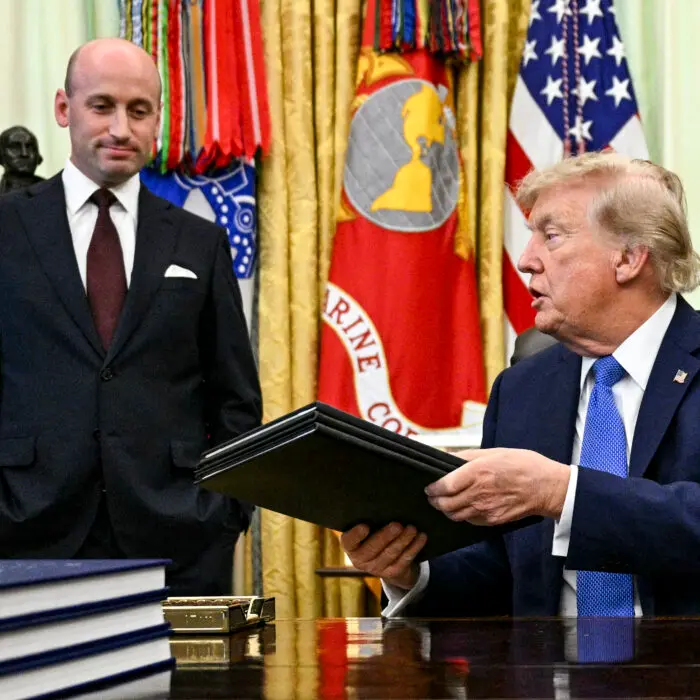
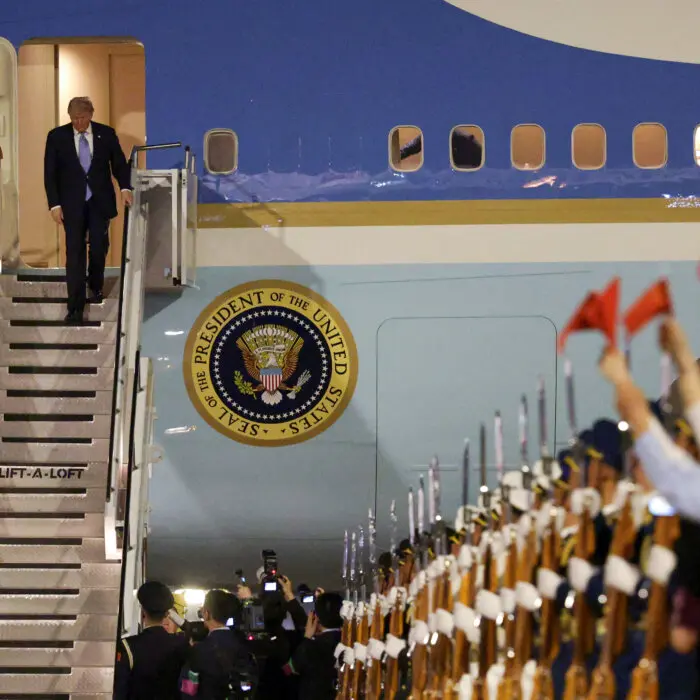
Cramer said the legislation would give President Donald Trump and U.S. Trade Representative Jamieson Greer the tools to address trade deficits with trading partners while preserving critical supply chains and securing trade agreements that benefit American manufacturers and workers.
“Trade should be fair, not one-sided, and it’s refreshing to have a president who isn’t afraid to hold our trading partners accountable,” Cramer said in the statement.
Trump last year invoked the International Emergency Economic Powers Act (IEEPA) to impose tariffs on trading partners, saying they were needed to regulate international transactions in response to what he called “an unusual and extraordinary threat” to national security.