ORANGE COUNTY, N.Y.–A segment of State Route 17M has been named “Private First Class Richard Cleveland Dunn Memorial Highway” to pay tribute to Richard C. Dunn, a now-deceased local World War II veteran who served heroically in Europe, including on D-Day.
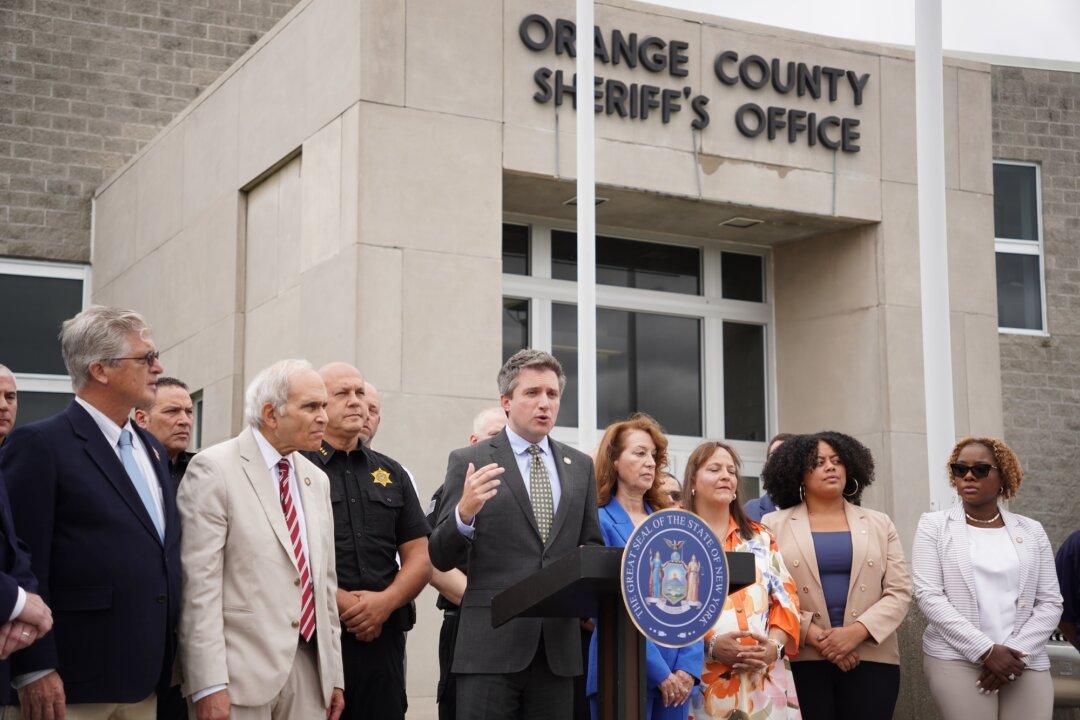
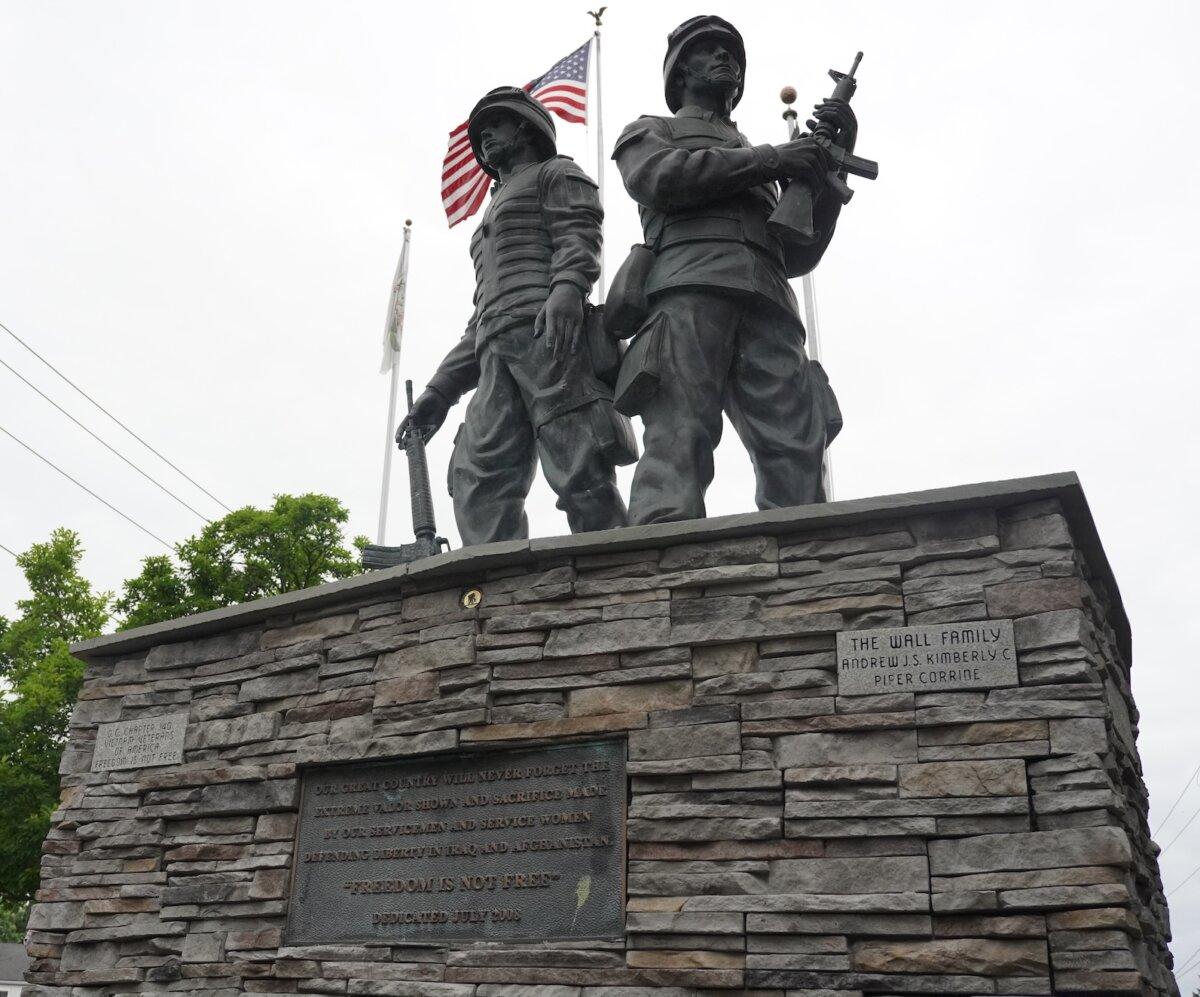
State Sen. James Skoufis, Middletown Mayor Joe DeStefano, Wallkill Town Supervisor George Serrano, and Dunn’s grandson spoke at the unveiling of the road sign on June 26 at the Wallkill Memorial Park.
“Tributes such as these link us to the past and help us all remember and respect the sacrifices of those who fought for our freedom,” Skoufis said at the event.
“Richard C. Dunn demonstrated extraordinary courage in the face of unimaginable danger, and it is only right that we remember his name today and all days moving forward.”
Skoufis and now-retired Assemblywoman Aileen Gunther worked for several years in the New York Legislature advocating for legislation to name that section of the highway after Dunn. Gov. Kathy Hochul approved the bill in 2024.
Dunn’s grandson, Eric Johnson, is a councilman in the town of Wallkill. Johnson shared the story of his grandfather’s life at the event.
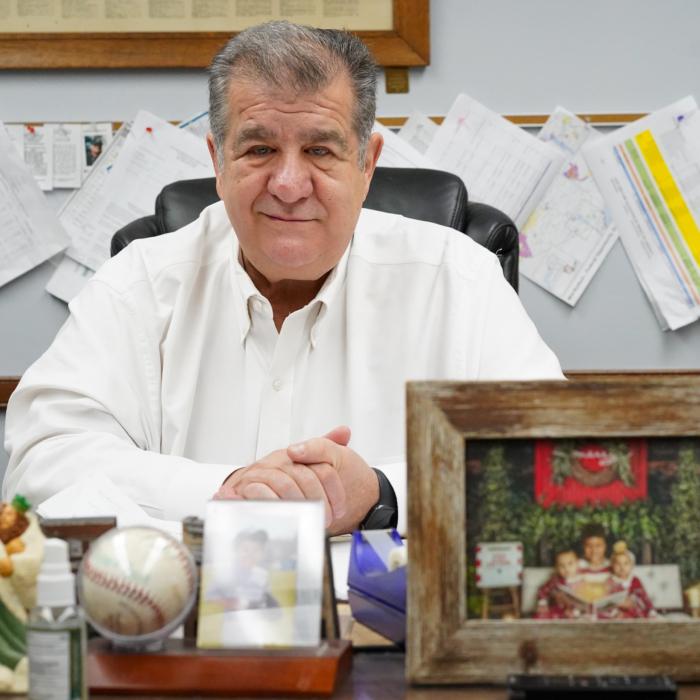

Dunn grew up on a farm in Greenville. After the Great Depression, he got married, and he and his wife moved to Middletown, where he worked at the Classy Leather Fur Factory. The couple saved up and bought a house on Livingston Street near Memorial Park.
At 30 years old, Dunn had just purchased a house and welcomed his first daughter when he was drafted. His family was concerned about making mortgage payments while he was away serving in the war. However, the farmer from whom they purchased the house assured them that they wouldn’t have to worry about the payments as long as he was in the service. He kept that promise.
Dunn was away for four years, serving in the Second Infantry Division, where he was recognized as a sharpshooter.
Dunn fought with his platoon all the way to Paris, where a German bomb hit them and he was presumed dead. His identification tags were collected, and his family was informed of his death.
Dunn, however, did not die in France. He survived the explosion and ended up in a hospital in Paris, where he wrote to his family to inform them that he was alive.
He faced challenges when trying to rejoin the Army because he had lost his identification tags. However, with assistance from the Red Cross, he was able to return to service and continue fighting until the war’s end.
After the war, Dunn never touched a gun again, and he didn’t like to talk about his experiences in Europe, Johnson said.
He always focused on the positive traits of people, uplifting them instead of tearing them down, according to Johnson.
Dunn died in 1998 at the age of 87. His wife, Alice, died in 2009 at the age of 96. They had two daughters.
His family, including his daughters and great-grandchildren, attended the highway-naming ceremony.
Johnson told reporters how he felt about the renaming of the highway after his grandfather.
“He was one who never wanted any recognition, would never talk about it. And to do this now, I would think he’s looking down and he’s very, very proud—humbled, but proud,” he said.
“So it means a lot. I think it means a lot, too, for all the veterans.”