The city of Seattle, Washington, is the latest in a line of state and local governments suing Austrian gunmaker Glock Inc. Like previous lawsuits, the Seattle action accuses the company of designing a legal semiautomatic gun that’s easily converted to an illegal machine gun.
According to the lawsuit, filed in King County Superior Court on Sept. 2, the company has refused to change its design, and people are being killed with illegally converted Glock pistols.
The Seattle lawsuit lists the city as plaintiff and Glock, Inc.; Glock Ges. M.B.H.; Bull’s Eye Indoor Range, LLC, Pantel Tactical, and Rainier Arms, LLC, as defendants.
The three businesses are authorized Glock dealers. The lawsuit states they are listed for “flooding the Seattle-area market with pistols that can be easily converted into illegal machine guns.”
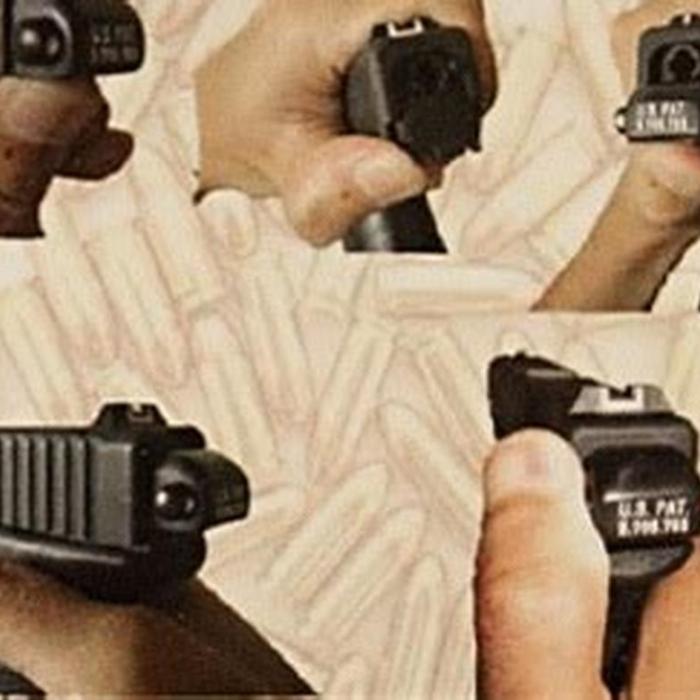
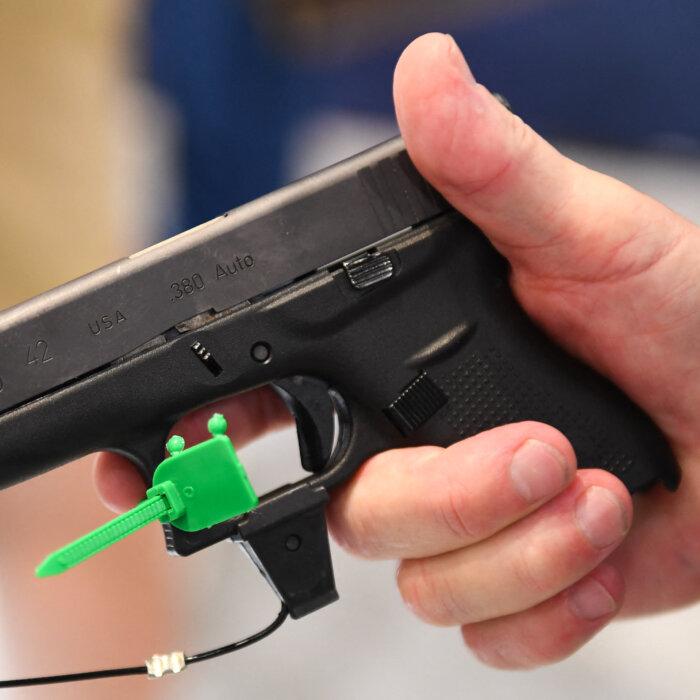
The main issue is the so-called “Glock switch.” This device alters the trigger mechanism, increasing the pistol’s rate of fire to as much as 1,200 rounds per minute.
The plaintiff claims that Glock has used social media and traditional marketing to glamorize fully-automatic firearms. The lawsuit states that the company has capitalized on the pistol’s reputation for being reliable, concealable, and easy to use, which makes it popular with street gangs.
According to the lawsuit, “Glock’s conduct has created and sustained a public nuisance—endangering safety, straining public resources, and threatening the peace and security of Washington communities.”
The plaintiff asks the court to order Glock and its retailers to stop promoting and selling the pistols. The city is also seeking damages and attorney’s fees.
Glock did not respond to a request for comment in time for publication.
Although some switches bear Glock’s logo, the company does not manufacture, sell, or endorse the conversion devices, which are illegal in the United States.
While Glock has not responded to the Seattle lawsuit, in other lawsuits, the gunmaker countered that it produces a legal product and that plaintiffs have been unable to demonstrate that anyone was harmed due to a defective product or illegal action by Glock.
According to the Congressional Research Service, the PLCAA has exceptions in which a seller or transferrer of a gun could be sued. These include providing a gun to a prohibited person, such as a convicted felon, or selling guns that the dealer knows will likely be used in a crime.
The cities of Chicago, Baltimore, and Seattle have previously sued the gun manufacturer. It has also faced legal action from the states of Minnesota and New Jersey.
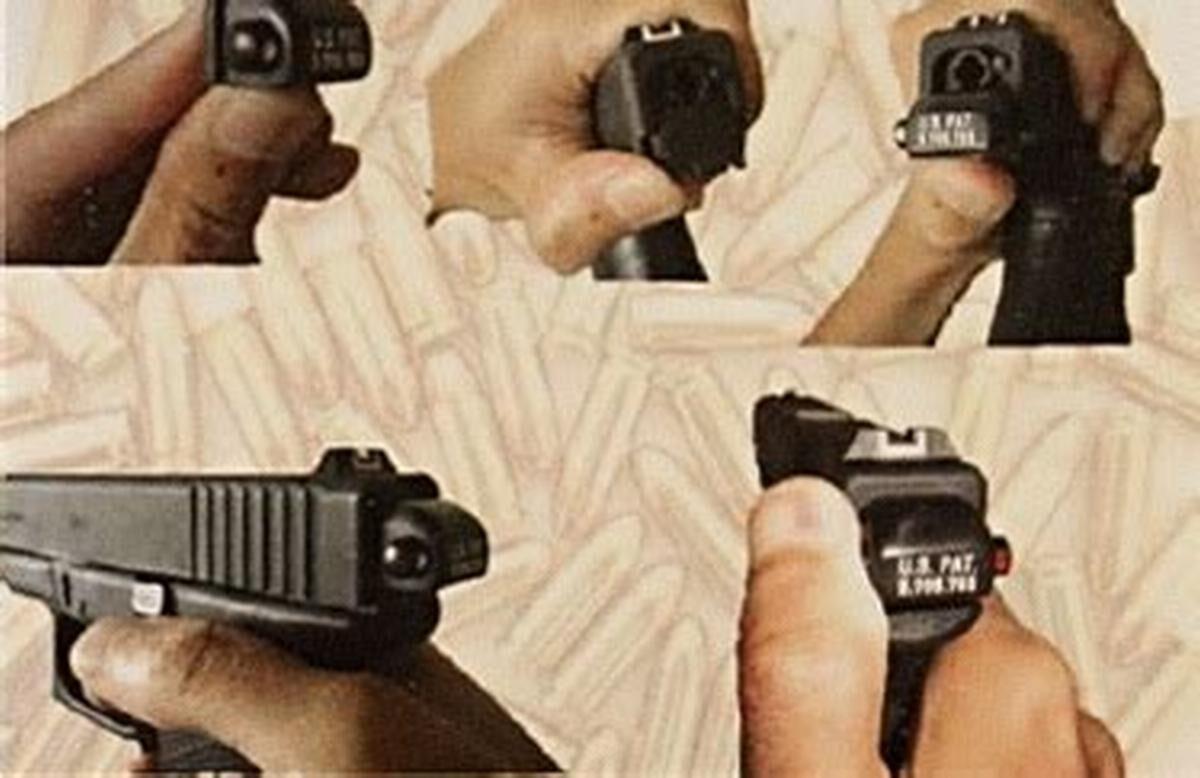
Chicago sued Glock in March 2024 and made claims similar to those in the Seattle action, as well as those made by the other governments. Chicago voluntarily dismissed the lawsuit in July 2024.
Glock raises a similar defense in its July 23, 2025, motion to dismiss the suit filed by Baltimore in the Circuit Court of the City of Baltimore. That lawsuit was filed last February. The judge in that case has not ruled on Glock’s motion to dismiss.
On Aug. 21, 2025, a Minnesota judge refused Glock’s motion to dismiss the lawsuit filed by the state’s Attorney General Keith Ellison last May in the state’s Fourth District Court. So that case will proceed.
The lawsuit filed by New Jersey Attorney General Matthew J. Platkin in December 2024 is ongoing in the Essex County Superior Court of New Jersey.
In several of the cases, the plaintiffs are assisted by EverytownLaw.org, the legal arm of Everytown for Gun Safety. According to its website, Everytown Law works with local and state governments in litigation involving the firearms industry.