
San Francisco has filed a first-of-its-kind lawsuit against some of the country’s largest food and beverage manufacturers, accusing them of engineering and aggressively marketing ultra-processed foods they knew were making Americans sick in order to boost profits.
City Says Companies Engineered Products to Be Addictive
The lawsuit, brought on behalf of the people of the state of California, claims that the defendants violated the state’s Unfair Competition Law and public nuisance statute through unfair and deceptive marketing. It seeks to halt alleged deceptive practices, require corrective measures, and obtain restitution and civil penalties to help offset health costs tied to ultra-processed food consumption.“Defendants did everything in their power to deprive consumers of an informed choice,” the complaint states. “They designed food to be addictive, they knew the addictive food they were engineering was making their customers sick, and they hid the truth from the public. They relentlessly promoted these dangerous products, made untold billions of dollars from doing so, and then they left taxpayers to foot the bill for the resulting public health crisis.”
Ultra-Processed Diets, Rising Chronic Disease Rates
Over roughly the same period in which such foods came to dominate the U.S. diet, obesity rates have surged and diagnoses of Type 2 diabetes, fatty liver disease, inflammatory bowel disease, and colorectal cancer in younger adults have climbed, the filing notes.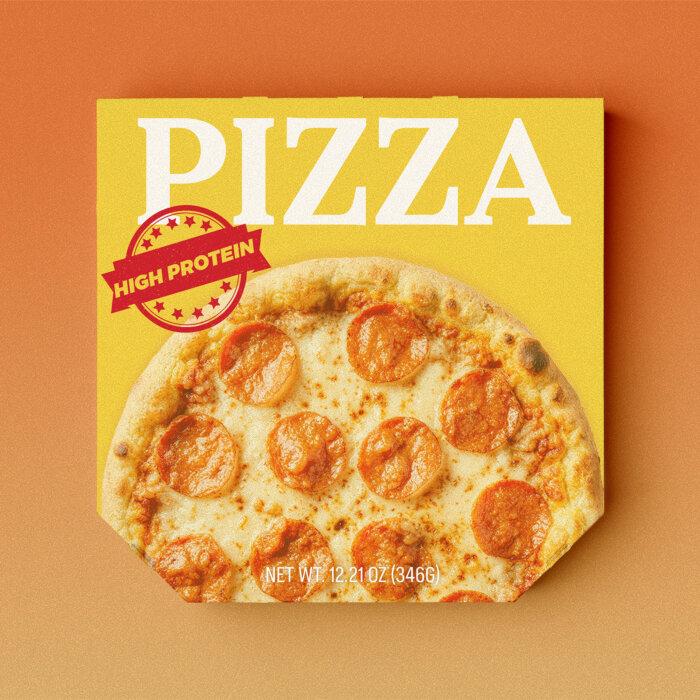
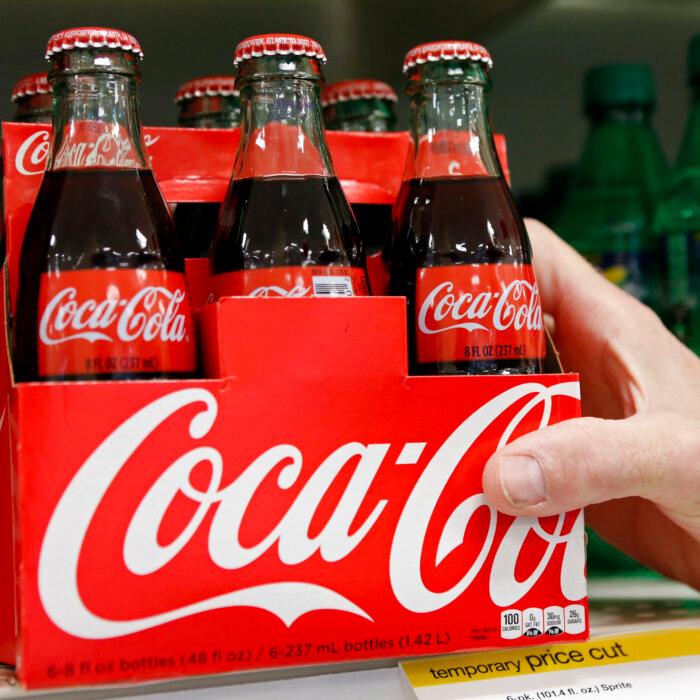
San Francisco’s complaint also draws a direct line between “Big Tobacco” and “Big Food,” noting that cigarette makers R.J. Reynolds and Philip Morris bought major food companies in the 1960s and 1970s and applied their expertise in creating and marketing addictive products to snacks, beverages, and other packaged foods. The filing alleges that companies intentionally designed products to trigger cravings and targeted children with intensive advertising.
“These companies were extraordinarily successful,” the complaint states, noting that ultra-processed foods now make up more than 70 percent of grocery store products and more than half of the diets of individuals in the United States.
“[Ultra-processed foods] sit on the pantry shelves of nearly every household in America, and American children get two-thirds of their daily energy from [these products],” the complaint reads.
The companies named in the lawsuit did not respond to requests for comment.
In a statement responding to the lawsuit, the Consumer Brands Association, which represents many of the companies named, defended its members and questioned the scientific basis for the city’s claims.
“The makers of America’s trusted household brands support Americans in making healthier choices and enhancing product transparency,” Sarah Gallo, senior vice president of product policy and federal affairs at the trade group, said in a statement to The Epoch Times.
She said manufacturers are offering products with “increased protein and fiber, reduced sugars and sodium, and no synthetic color additives,” noting that “there is currently no agreed-upon scientific definition of ultra-processed foods.”
“Attempting to classify foods as unhealthy simply because they are processed, or demonizing food by ignoring its full nutrient content, misleads consumers and exacerbates health disparities,” Gallo said, noting that companies “adhere to the rigorous evidence-based safety standards established by the [Food and Drug Administration].”
The case is expected to draw close attention from public health groups and the food industry as a possible test case for using tobacco-style litigation against makers of ultra-processed foods.