Rural hospitals have become the poster child for opponents of President Donald Trump’s megabill, as both Republicans and Democrats fear changes to Medicaid will force the closure of hundreds of the small, financially challenged institutions.
For Democrats, this represents a strategic shift in their opposition to the One Big Beautiful Bill Act.
Earlier messaging focused on the potential loss of health care by millions of individuals over the next 10 years because of the bill’s provisions. That focus has widened to include health care delivery systems.
About 1,800 community hospitals, one-third of the nation’s total, were located in rural areas in 2023, according to the health care research group KFF.
House Majority Leader Hakeem Jeffries (D-N.Y.), Rep. Debbie Dingell (D-Mich.), and others are barnstorming the country in a campaign to “Save Our Hospitals.”

Sen. Josh Hawley (R-Mo.) called the Senate’s bill “alarming,” adding, “It’s potentially really bad for rural hospitals.”
What’s in the Bill
The bill proposes changes to Medicaid that its supporters say will end fraud, waste, and abuse, and increase personal responsibility.That includes having Medicaid recipients verify their financial eligibility every six months rather than once a year and removing those who are simultaneously enrolled in two states’ Medicaid programs.
The bill would also penalize states that have enrolled people illegally residing in the country in Medicaid, and would require single, childless adults who are able-bodied to participate in work, education, or community service for 20 hours per week to maintain enrollment.
Also, the bill does not renew expiring premium tax credits for some users of the Affordable Care Act Marketplace.
Potential Impact on Rural Hospitals
Rural hospitals operate on lower financial margins than their metropolitan counterparts, according to KFF.The average operating margin for rural hospitals was 3.1 percent in 2023, compared with 5.4 percent for others.
The most remote facilities—those not closely connected to a substantial population center—averaged a 1.7 percent operating margin.

“This is like a crisis point. We’ve got 35 hospitals in Missouri that have fewer than 25 beds,” Hawley told reporters on June 17. “They just feel that they’re at the breaking point.”
Sen. Rick Scott (R-Fla.) echoed that point in June 18 comments to reporters.
Sens. Jerry Moran (R-Kan.) and Rick Scott (R-Fla.) have also stated concern that alterations to Medicaid could make it harder for rural hospitals to operate.
Scott told reporters on June 19, “It’s a legitimate concern, what is happening to rural hospitals.”
Rural hospitals could suffer more because of an increase in uncompensated care, according to Chiquita Brooks-LaSure, a former administrator of the Centers for Medicare and Medicaid Services.
“If we have an increase in the number of people who are uninsured ... hospitals are still going to have to cover them,” Brooks-LaSure told reporters on a June 17 press call.
States that did not expand their Medicaid enrollment under the provisions of the Affordable Care Act have higher rates of uncompensated care, Brooks-LaSure said.
“More than 300 hospitals across the country, mostly in rural areas, will shut their doors,” Dingell told reporters on June 17. “They’re not going to make it if this bill becomes law.”
Some 185 rural hospitals closed between 2005 and 2024, according to data from the University of North Carolina. Just seven urban hospitals ceased operation during that time.
However, the rate of closure for rural hospitals increased after 2014 when the Affordable Care Act expanded Medicaid coverage and expanded the availability of commercial health insurance through premium tax credits.
Sixty-nine rural hospitals closed from 2005 through 2013, a closure rate of 7.7 per year.
Needed Reforms
Proponents of the bill call the concerns overblown and say reforms are needed to ensure the viability of the Medicaid program.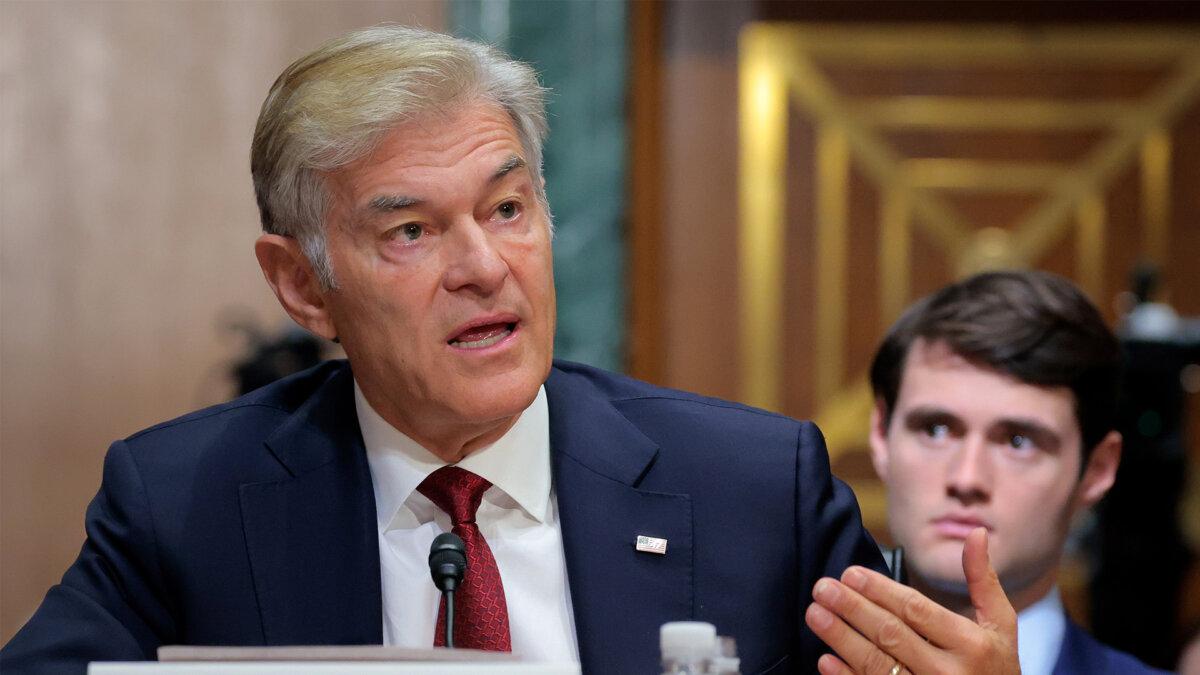
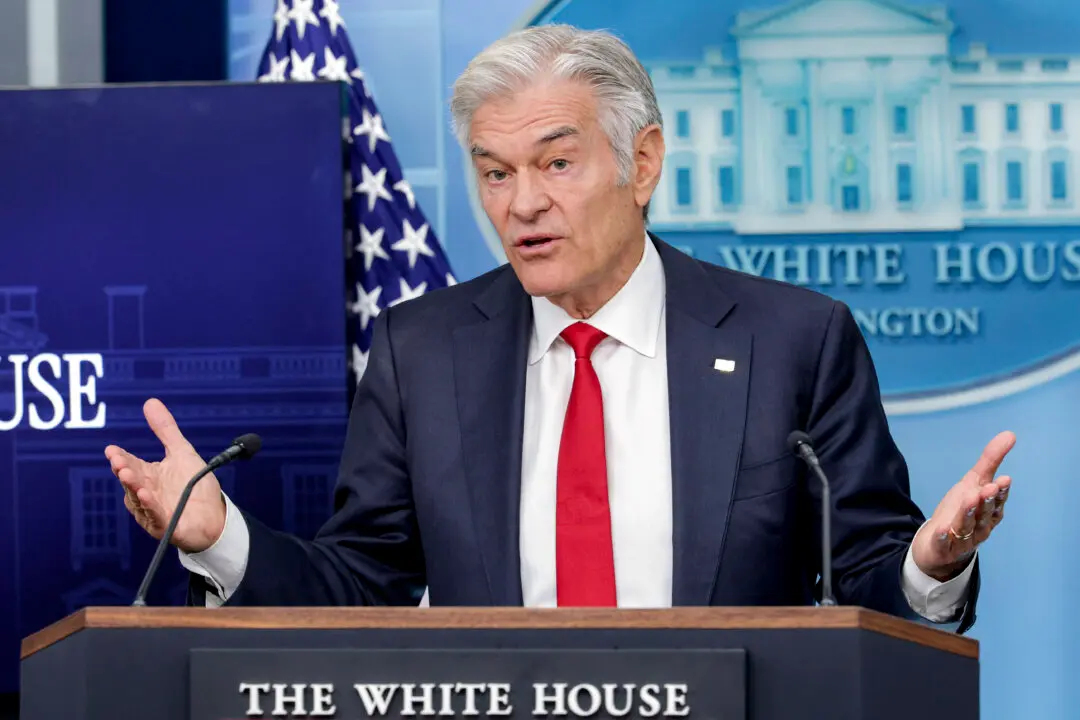
The bill will bring needed change to a program that has seen its cost rise by 50 percent in five years, according to Dr. Mehmet Oz, administrator for the Centers for Medicare and Medicaid Services.
“We have an unstable market that is causing lots of potential peril to Americans who need our help the most,” Oz told reporters on Jun 17.
“The most vulnerable amongst us are the ones who will suffer the most if we don’t get this bill passed.”
Oz discounted the projection that the bill would increase the uninsured population by 13 million, saying it erred by analyzing economics rather than human behavior.
He cited data showing that the number of people removed from Medicaid over the past two years did not bring a predicted rise in the uninsured population because many found insurance elsewhere.
In a statement introducing the Senate bill, Finance Committee Chairman Mike Crapo (R-Idaho) noted that under the bill, Medicaid spending would increase by billions of dollars over the next decade.
Scott said Medicaid should return to its original purpose as a social safety net for children, the elderly, and disabled people, rather than providing low-cost insurance for able-bodied adults.
Scott said he favors phasing out the Medicaid expansion, which largely covers able-bodied adults, and taking action on the provider tax so that states return to paying their fair share of Medicaid expenses.
Negotiations continue on the One Big Beautiful Bill Act. Republicans hold a slim majority in both houses, which means that they would need near unanimity to pass the legislation.
Senate Majority Leader John Thune (R-S.D.) was optimistic that it could be achieved soon.
“We want to get a bill out of the Senate, through the House, and on the president’s desk,” he told reporters on June 17.