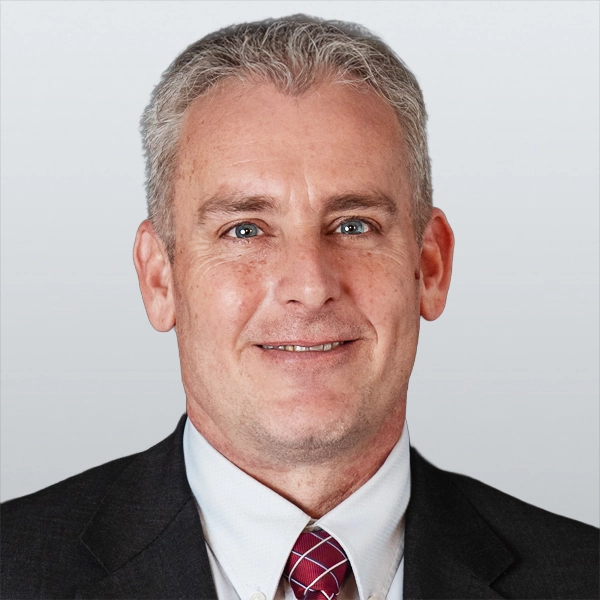
A delegation that includes U.S. Secretary of State Marco Rubio arrived in Kuala Lumpur, Malaysia, on July 10 local time for a series of high-profile meetings from July 11 to July 12.
Rubio’s first official trip to Asia is centered on the Association of Southeast Asian Nations (ASEAN) annual conference.
The gathering marks a decade of meetings between foreign ministers and leaders from 10 cooperating nations, including Indonesia, Vietnam, and Thailand.
Rubio’s visit underscores Washington’s renewed focus on the Indo-Pacific region.
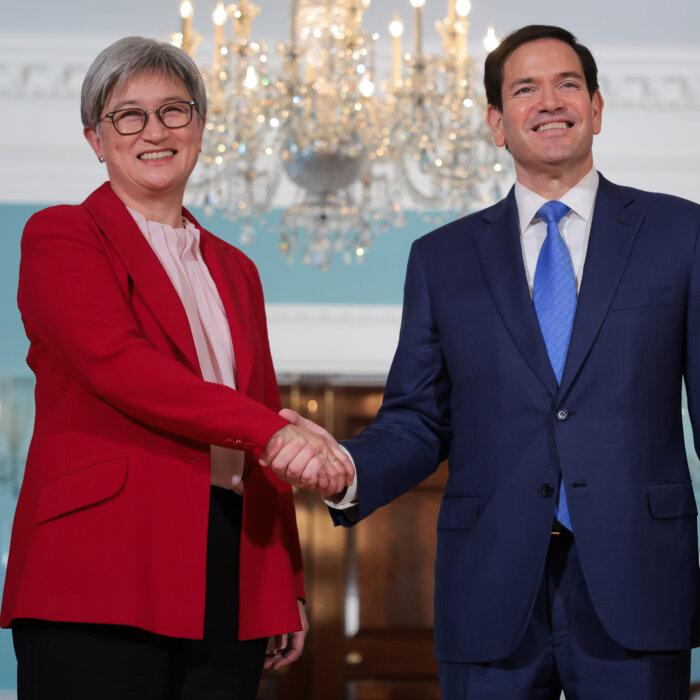
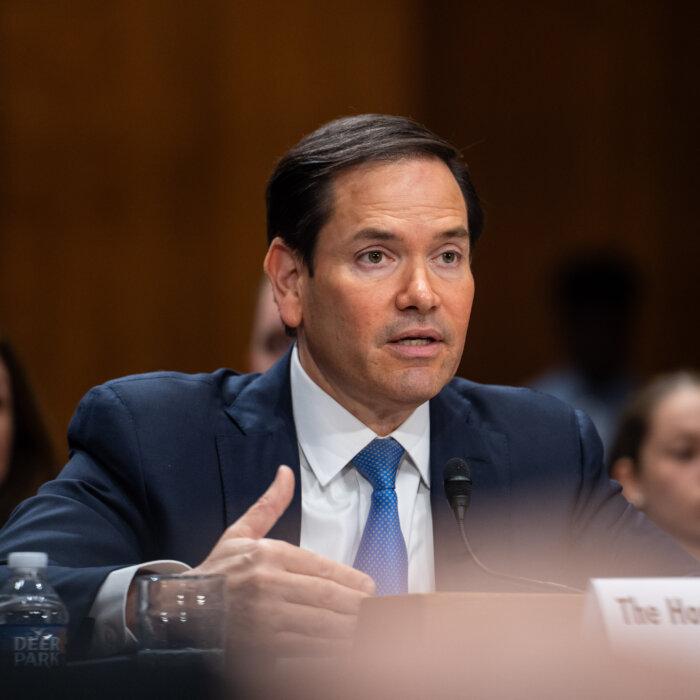
The trip comes after President Donald Trump’s recent tariff announcements, which also targeted some ASEAN countries.
Originally scheduled as a three-nation tour, with stops in Japan and South Korea preceding the summit, the trip was shortened at the last minute to only include Malaysia.
It is unclear if the tariff letters sent by Trump on July 7 played a role in the change of plans.
The announcement of sweeping tariffs, set to take effect on Aug. 1, complicated diplomatic efforts, according to some trading partners. Tariff threats have jolted ASEAN, a bloc of export-dependent economies, prompting concerns and fueling uncertainty.
Malaysian Prime Minister Anwar Ibrahim said during the Foreign Ministers’ Meeting on July 9 that global trade was being “weaponized.”
“When I meet Secretary Rubio tomorrow, I will certainly raise these issues for his consideration,” he said.
The regulations target several ASEAN nations, including Malaysia, which faces a 25 percent levy on electronics and electrical product exports to the United States, Laos and Myanmar at 40 percent, Cambodia and Thailand at 36 percent, and Indonesia at 32 percent.
Rubio’s visit is aimed at reaffirming the U.S. commitment to a “free, open, and secure Indo-Pacific,” according to a statement from State Department spokesperson Tammy Bruce, which highlighted the challenges of managing complex trade policy negotiations.
The agenda in Kuala Lumpur is packed with multilateral and bilateral engagements with a number of trading partners.
As the United States’ top diplomat and recently named Trump’s national security adviser, Rubio is expected to try to strengthen the U.S.–ASEAN partnership, according to the State Department.
Establishing mutually beneficial relationships that focus on economic cooperation, regional security, and countering China’s growing influence in the Asia-Pacific are key goals of the meetings, Bruce said.
The attention on Southeast Asia comes after months of headlines detailing prolonged fighting in Eastern Europe and the Middle East.
With the Trump administration centered on “America first” policies, the U.S. president has responded to news from around the world by reiterating his commitment to bolster the U.S. economy and “level the playing field,” as he wrote in letters to various countries informing their leaders of impending tariff rate increases.
More letters and levies are on the way, according to the president.
Business leaders worldwide are tuned in to the developments, following months of speculation and back-and-forth negotiations between the United States and foreign governments.