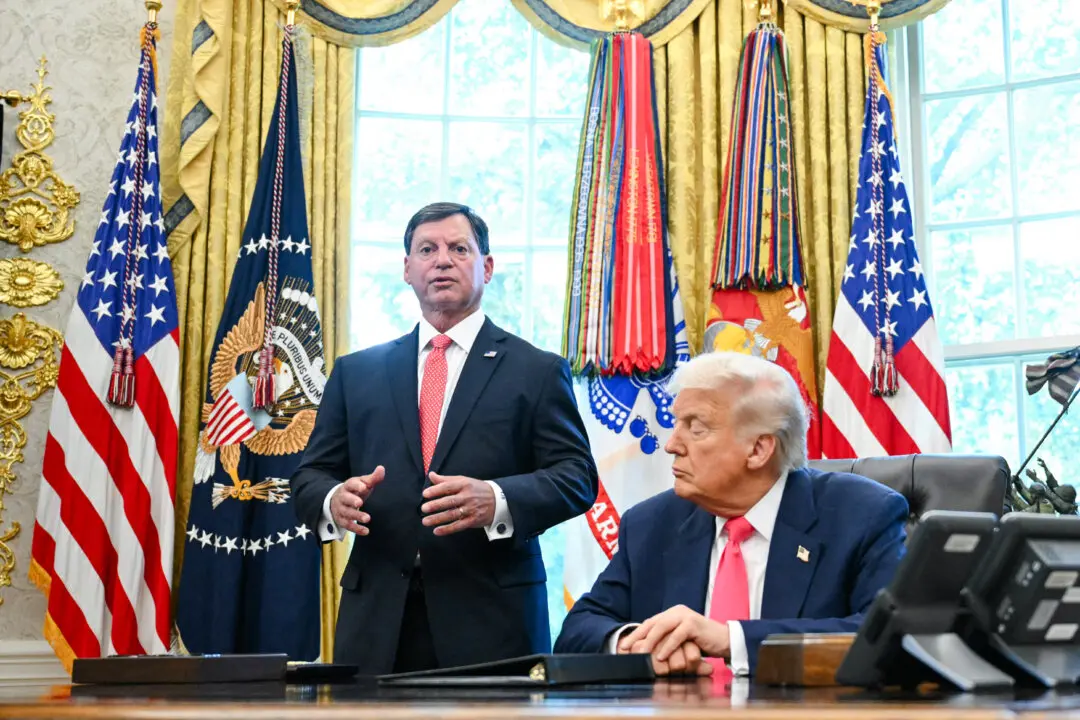
“This week, the UN is attempting to pass the first global carbon tax, which will increase energy, food, and fuel costs across the world. We will not allow the UN to tax American citizens and companies,” Rubio said in the post.
“Under the leadership of @POTUS, the U.S. will be a hard NO. We call on other nations to stand alongside the United States in defense of our citizens and sovereignty.”
The regulations framework would establish a worldwide standard based on which ships must use “cleaner” fuels and technologies. The emissions would be measured using the fuel intensity metric, which calculates the amount of greenhouse gas emitted for each unit of energy consumed.
If the fuel intensity were determined to be high, the vessel would be required to pay “a price corresponding to the greenhouse gases they emit above certain thresholds,” the IMO’s website states.
“Ships must report their [Greenhouse Gas] Fuel Intensity ... to the IMO each year. Each ship must keep its emissions below set ... limits, which gets [sic] stricter every year,” it states.
Conversely, “ships will get rewarded for using cleaner fuels,” it notes.
Sixty-three nations, including China, Brazil, South Africa, and many European states, have approved the measure.
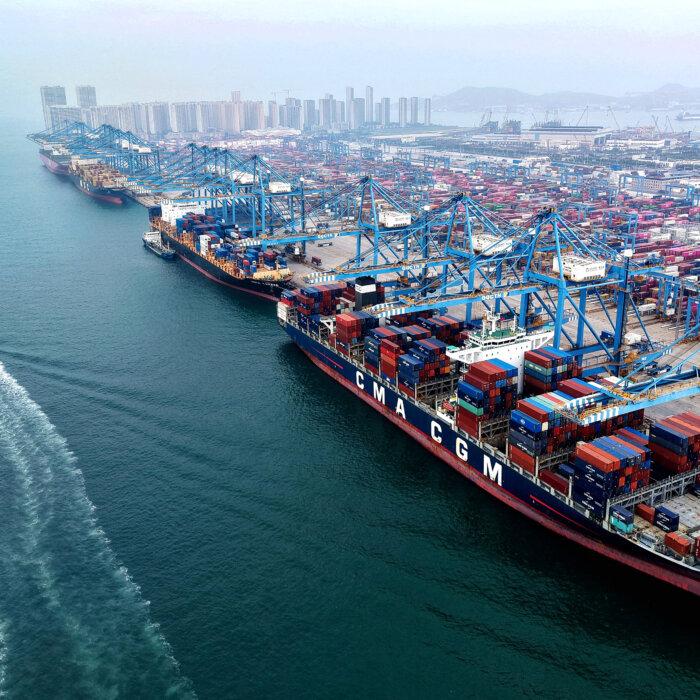
The framework would apply to all oceangoing ships with more than 5,000 gross tonnage. This category accounts for more than 85 percent of emissions from global shipping.
Discussions are ongoing to broaden the coverage and apply the rules to ships weighing between 400 gross tonnage and 5,000 gross tonnage.
IMO’s Marine Environment Protection Committee approved the Net-Zero Framework in April. IMO member states are reviewing the proposal for formal adoption in an ongoing committee meeting held in London from Oct. 14 to Oct. 17. IMO currently has 176 members and three associate members.
If adopted, the regulations are set to come into effect in March 2027, with the various national governments tasked with enforcing the rules. The framework is aimed at bringing down emissions from the global shipping industry to net zero by or in about 2050.
“The Administration unequivocally rejects this proposal before the IMO and will not tolerate any action that increases costs for our citizens, energy providers, shipping companies and their customers, or tourists,” they said in the statement.
“The economic impacts from this measure could be disastrous, with some estimates forecasting global shipping costs increasing as much as 10 percent or more.”
The statement characterized the framework as a “European-led neocolonial export of global climate regulations.”
Decarbonization Versus Deforestation
In an Oct. 9 statement, the World Shipping Council said that the global shipping industry backs the framework.The coalition highlighted the importance of incentives to minimize risks involved in investing in new green marine fuels.
“Only global rules will decarbonise a global industry. Without the framework, shipping would risk a growing patchwork of unilateral regulations, increasing costs without effectively contributing to decarbonisation,” the council stated.
Without strong sustainability rules, biofuels such as soybean and palm oil could end up becoming the first option for shippers looking to comply with IMO regulations, as these would be the cheapest fuel options, it stated.
“The uptake of these fuels could actually result in a disastrous increase of emissions if no precautions are considered as soon as possible,” it stated.
IMO’s regulations “will likely lead to the destruction of rainforests by promoting first-generation biofuels,” it warned in its statement.
“Being taxed by the UN would be far more offensive than the taxes imposed by Great Britain against the American colonies more than 250 years ago. Those taxes sparked the American Revolution. The UN should be defunded, not seeded with new tax revenue,” DeSantis wrote.