Vaccines against respiratory syncytial virus (RSV) initially provided strong protection, but that shielding dropped over time, researchers said in a new paper.
Protection against hospitalization declined from 73 percent at four months to 44 percent by month 19, according to the paper.
“These findings suggest that while protection against severe outcomes persists into the next season, it is significantly reduced compared to the initial vaccination season,” the authors stated.
The data for the paper came from Cosmos, a dataset based on records from Epic health systems.
Dr. Harvey Risch, professor emeritus of epidemiology in Yale School of Public Health’s Department of Epidemiology and Public Health, who was not involved in the research, reviewed the paper.
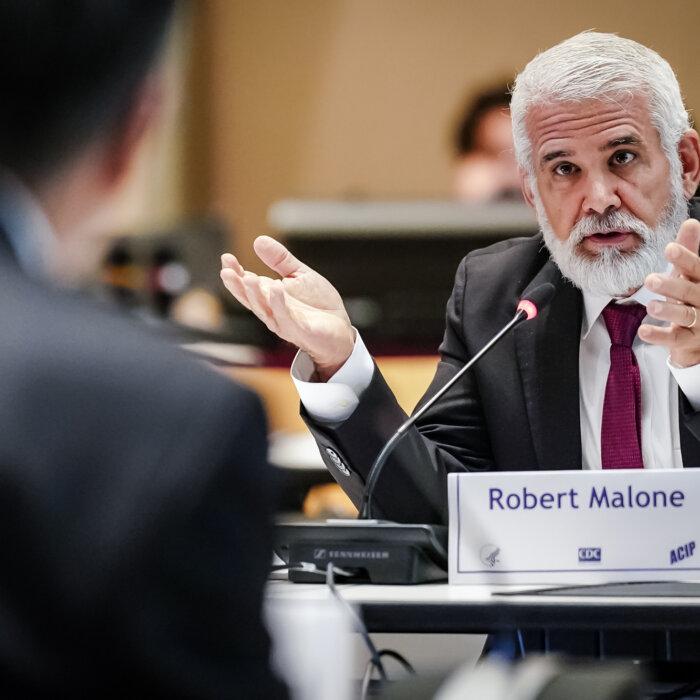
“The main issue is that appropriate candidates for this vaccine, people with substantially increased risk of serious outcome from an RSV infection, are few, and this vaccine provides a relatively weak benefit that declines appreciably over each annual RSV season,” Risch told The Epoch Times in an email. “Since we don’t know the magnitude of risk for vaccine-related adverse outcomes such as atrial fibrillation and Guillain-Barré Syndrome, etc., it isn’t possible to determine whether the mild annual vaccine benefit would be greater than the risk of serious vaccine outcome.”
The five authors of the new paper included Dr. Matthew Gracianette, a pediatrician, and nurse Kersten Bartelt.
The study exclusions included patients who had an RSV infection within two years of the study period.
No limitations or conflicts of interest were listed. Epic did not respond to a request for comment.
“If you have received an RSV vaccine already (including last year), you should not get another RSV vaccine at this time,” the public health agency said.