
“The Minamata Convention was born from a shared moral conviction that no human being should suffer from exposure to mercury,” Kennedy said.
The treaty, which began to phase out mercury in cosmetics and lamps, opted to allow the substance to be used in products that are injected into vulnerable people, pregnant women, and babies, the health secretary said.
“We have to ask: why? Why do we hold a double standard for mercury? Why do we call it dangerous in batteries, in over-the-counter medications, and makeup, but acceptable in vaccines and dental fillings?” he asked.
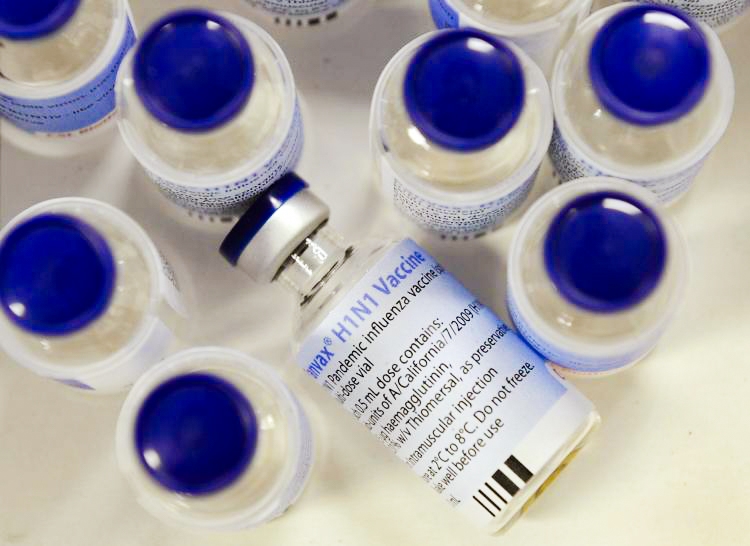
Kennedy said thimerosal has never undergone proper safety testing in human beings. He said that hundreds of peer-reviewed studies have identified the substance as a potent neurotoxin, carcinogen, endocrine disruptor, and mutagen.
“Thimerosal’s own label requires it to be treated as a hazardous material and warns against ingestion. There is not a single study that proves it safe,” he said. “That’s why in July of this year, the United States closed the final chapter on the use of thimerosal as a vaccine preservative, something that should have happened years ago.”
The substance may cause damage to organs through repeated or prolonged exposure. If a person ingests thimerosal or comes into contact with it via skin, they must immediately get in touch with a poison center or doctor, according to the fact sheet.

In July, Kennedy signed a recommendation by the Advisory Committee on Immunization Practices (ACIP) to remove thimerosal from influenza vaccines. Roughly 50 percent of thimerosal, by weight, is mercury.
“I want to be clear, it’s inexcusable that governments around the world still allow mercury-based compounds in health care, and safe alternatives exist. Now that America has removed mercury from all vaccines, I call on every global health authority and every party to this convention to do the same,” Kennedy said in his video address.
The Department of Health and Human Services chief said vaccine manufacturers have already confirmed they can produce single-dose vaccines free from mercury without interrupting supply chains.
“We don’t expect the ACIP recommendation to have any impact on our vaccine supply or shipment timings,” the spokesperson said.
Safe or Dangerous?
In a July 15 statement, the American Academy of Pediatrics (AAP) said extensive research has shown thimerosal to be safe for use. Banning vaccines without solid scientific facts sets a “dangerous precedent,” it said.Thimerosal is an ethyl mercury, different from methyl mercury, for which there are toxicity concerns, AAP said.
“There is no evidence that thimerosal has adverse neurological or neurodevelopmental adverse outcomes when used as a preservative in vaccines,” AAP Committee on Infectious Diseases member James Campbell said.
“This fact was definitively determined years ago, and the FDA, the CDC, and many academic institutions have excellent reviews of the safety of thimerosal-containing vaccines in children. Raising this topic now has only one purpose—to sow distrust in vaccines in general and in the process to determine vaccine safety.”
Researchers found that the exposure in rats “significantly damaged brain bioenergetic pathways.” The study “supports the ability of TM exposure to preferentially damage the nervous system,” it said.
“Research does not show any link between thimerosal in vaccines and autism, a neurodevelopmental disorder,” it said.