“The January 2025 fire events revealed both the strengths and vulnerabilities of Los Angeles County’s emergency response systems,” the Virginia-based McChrystal Group stated in the independent review, which was commissioned by Los Angeles County supervisors.
“While frontline responders acted decisively and, in many cases, heroically, in the face of extraordinary conditions, the events underscored the need for clearer policies, stronger training, integrated tools, and improved public communication.”
County leaders ordered an independent review of their alerts and evacuations during the catastrophic fires that ignited Jan. 7, claiming 31 lives and destroying over 16,000 structures.
The reviewers submitted their “After-Action Review” on Sept. 25.
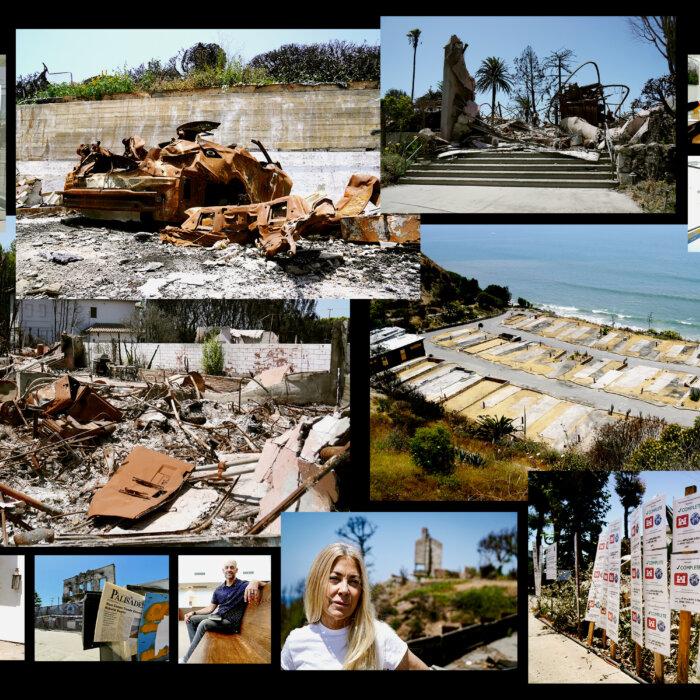
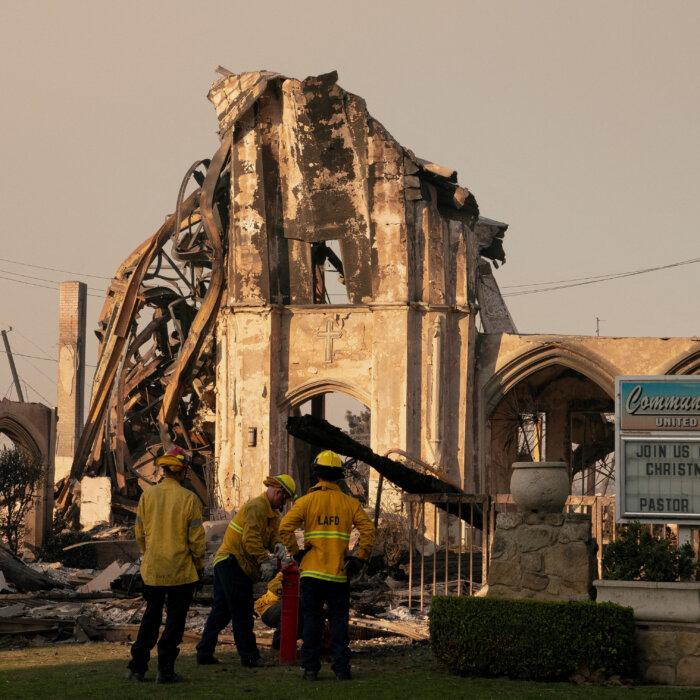
The report found that a “series of weaknesses, including outdated policies, inconsistent practices and communications vulnerabilities” impacted the county’s emergency alert system. The outdated policies “created ambiguity around evacuation authority and responsibilities,” the report said.
The Palisades Fire, which ignited during the daytime in the celebrity-filled coastal city of Pacific Palisades, benefited from strong interagency coordination, pre-positioned resources, and tested evacuation strategies, according to the report.
Conditions east of Los Angeles in the Altadena and Pasadena communities were much different, the review found.
“The Eaton Fire broke out at night amid extreme wind and power outages,” the review stated. “The fire occurred in an area of the county not accustomed to wildfire risks in their neighborhoods and without the benefit of aerial surveillance and fire suppression.”
Some residents in Altadena reported getting little or no warning before the fire reached their neighborhoods, the review stated.
In many cases during the fires, decision-making roles were unclear, and responders weren’t clear about pre-incident public messaging responsibilities, which lacked standardization among the agencies, according to the report.
The gaps contributed to uneven preparedness strategies among the agencies and “slowed coordinated efforts,” the report stated.
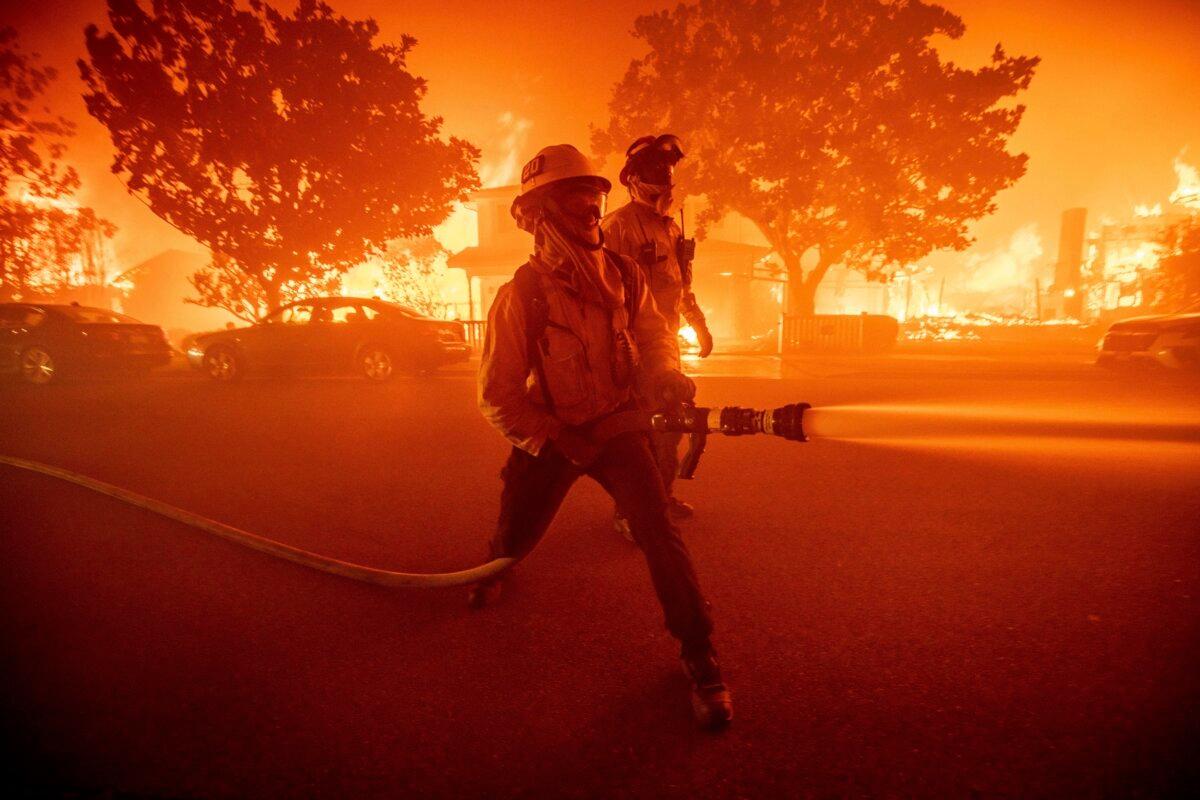
The agencies responding to the Eaton Fire were also lacking in training, staffing, resource management, and interagency coordination, the report said. This highlighted the need for emergency exercises among agencies and clearer staffing models for future events, according to the review.
“Equipment and personnel shortages were magnified under the extreme conditions of this incident,” the report stated.
About 20 fire departments in the Altadena area offered to provide help for the review, while some of the agencies declined to be interviewed for the report.
During the Board of Supervisors meeting, officials grilled representatives of the McChrystal Group, along with Sheriff Robert Luna, county Fire Chief Anthony Marrone, and the Office of Emergency Management Director Kevin McGowan about the report’s findings.
Supervisor Kathryn Barger, who represents the Eaton Fire region, expressed her disappointment during the discussion. She said she was frustrated that some agencies cooperated with the McChrystal investigation while other law enforcement agencies declined to be interviewed.
“To me, it is inexcusable and I would challenge any one of those departments or any one of those chiefs, to explain why [they didn’t participate],” Barger said.

Evacuation orders in the western Altadena area were not issued until about 3:25 a.m. on Jan. 8, hours after the fire was reported in the area.
According to Marrone, firefighters and commanders were “severely challenged” because of the number of fires burning all at once. It took some time to verify the path and status of the Eaton Fire, delaying the evacuation order.
He rebutted suggestions that there was only one fire truck in the area and said firefighters and law enforcement were evacuating and rescuing residents throughout the night.
Sheriff Luna said his deputies were in the western Altadena area, telling residents to leave before the orders were officially issued.
Supervisor Lindsey Horvath, who represents the Palisades Fire area, became emotional about some facts that were left out of the report, including that an evacuation alert intended for residents in the San Fernando Valley was mistakenly sent out countywide.
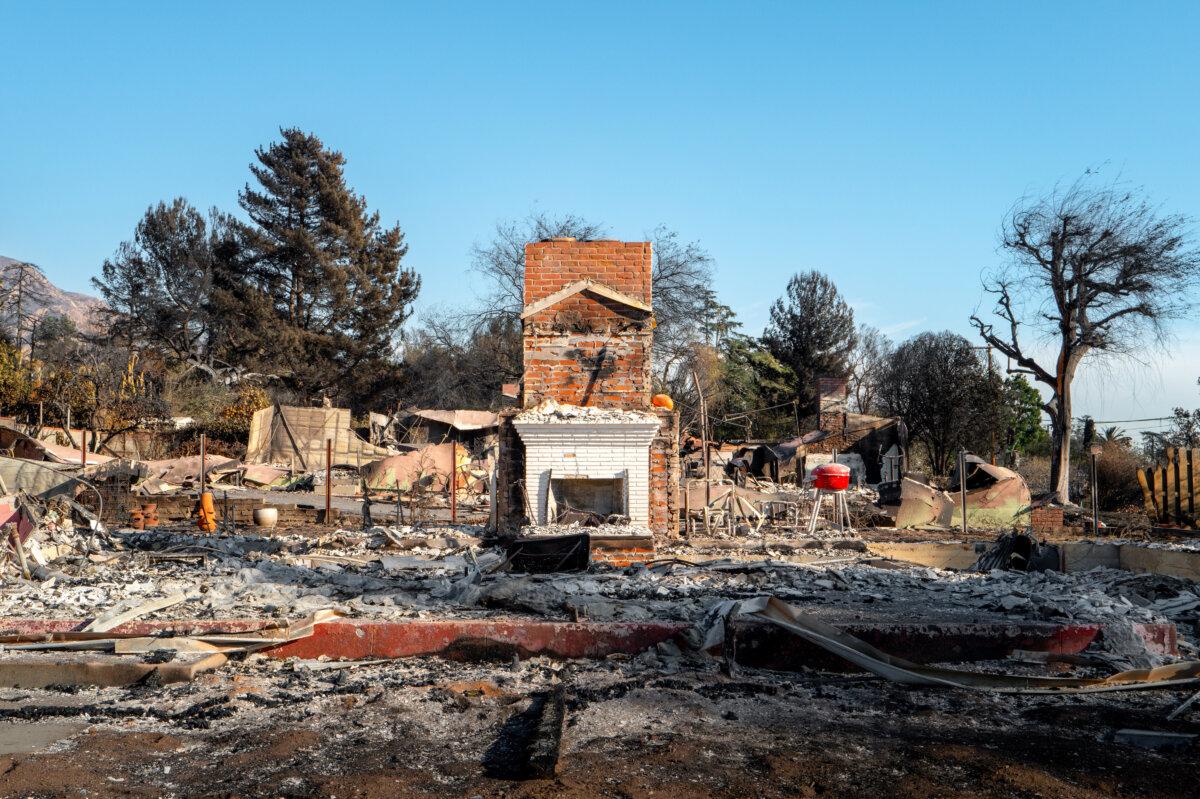
According to the report, residents complained that emergency alerts and warnings failed to provide complete information.
The rapid spread of the flames left emergency responders unable to keep up and issue timely evacuation orders and warnings. This left “little time to prepare and evacuate,” the report stated.
Some areas did not get evacuation warnings at all, the report found.
“This contributed to confusion and panic, with many evacuating residents feeling that they had little time to collect essential belongings,” the review stated.
Power outages also made it difficult for some residents to get the alerts, reviewers found.
Supervisors also said they might be open to increasing the size of the county’s Office of Emergency Management and moving it to a standalone department.
The review is the first in a series of after-action assessments planned by the county, state, and other agencies.