A record number of Americans are reaching retirement age this year, and questions have arisen about whether U.S. cities are prepared for the growing demand on housing, health care, transportation, and local finances. For some retirees, those pressures are already shaping life decisions.
Doug Ressler, business intelligence manager at Yardi Matrix, parent company of StorageCafe, told The Epoch Times that some cities are better prepared than others to handle the influx of new retirees and meet the demands of infrastructure, inflation, and health care.
“By 2034, adults 65 and older will outnumber children, and that will have an effect on city finances, labor markets, and health care demand,” he said.
Retirement Challenges for Cities
According to December 2024 data from the American Association of Retired People, more than 75 percent of older Americans say they plan to age in place, staying closer to family and friends rather than relocating.

“First, I think cities will have to take a hard look at property taxes, because people aging in place may not be able to afford them living on a fixed income,” Ressler said.
“They’re also going to have to consider public transportation subsidies so that seniors who may not be able to drive will have a reliable way to get around.”
Ressler also said that some commercial buildings and shopping centers are falling short when it comes to servicing an aging population.
“We’re going to need more wheelchair-friendly buildings and homes,” he said. “Developers need to think about how a person with limited abilities can have access.”
Creating alternatives to social isolation is another aspect that municipalities will have to consider. Many communities across the nation already offer senior centers and provide mini buses to grocery stores or free car rides to doctors’ offices. However, Ressler said some regions are lacking in this area.
“The big question, of course, is how we pay for all of this,” he said.
“Municipalities could think about partnering with nonprofits catering to seniors, working with utility firms to provide subsidies for the aging population, or taking a hard look at budgets and resetting priorities.”
Ressler said that the nation will also see more “solo agers,” people aged 55 and older who are childless and may be more dependent on affordable housing, medical care, and community support.
Seann Malloy, founder and managing partner at Malloy Law Offices in Washington and Virginia, also said that both urban and suburban regions could face pressure and an increasing number of retirees aging in place—especially in communities designed for car travel and not public transit or walkability.
“The successful communities will be those that combine housing, access to health care, and transportation rather than singularly addressing these issues,” he told The Epoch Times.
Many Cities Unprepared for Health Care
Dr. Jason Schroder, medical director and co-founder of Craft Body Scan, based in Tulsa, Oklahoma, said he believes that many cities will be “woefully unprepared” in terms of health care for the influx of the “silver tsunami” this year.“The cost of caring for patients with chronic heart disease in their retirement years can easily exceed $200,000 to $300,000 per year,” he told The Epoch Times.
“The fact is that many health care facilities are ignoring the long-term financial benefits of offering preventative care.”
Schroder said he thinks that the answer lies in proactive MRI and CT scans, which are inexpensive compared with the total cost of caring for a patient with chronic heart disease.
He said that identifying abnormalities early can get patients the proper treatments or medications they need, thereby reducing the number of future surgeries often required to treat high-risk patients.
“Urban planners should place a priority on zoning for preventative health centers in order to prepare for the financial burden that is being placed on municipalities as a result of the impending retirement wave,” Schroder said.

Top Retirement Cities
On StorageCafe’s list of the 10 best locations for 2026 retirees, Florida’s Cape Coral–Fort Myers metro area placed first, and nearly 30 percent of its residents are already aged 65 or older—well above the national average of 18 percent.The average life expectancy in the area is 80.6 years, and the community, along with many regions in Florida, scored high marks for infrastructure, amenities, tax advantages, and cost of living, plus it has an average daily temperature of 73.8 degrees.
The other Sunshine State metropolitan areas among the top 10 for retirees are Naples–Immokalee–Marco Island, North Port–Sarasota–Bradenton, and Port St. Lucie. The Naples area recorded the highest average life expectancy, at 84 years.
The report noted that although this area may be lacking in affordable housing, it offers some of the country’s best health care, with nearly 6,000 providers for every 10,000 residents. This number is 36 percent higher than the national average of 4,400. The New York City metro is home to three of the nation’s top 20 hospitals. The average life expectancy is 80.3 years.
The region is also known for its extensive public transportation system and walkability, ranking among the country’s best cities for walking.
“A lot of older people in this area have also built their wealth and are aging in place without a mortgage to worry about,” Ressler said.
“Their biggest financial concerns are likely to be taxes, insurance, and utility rates. Those retirees who find the cost of living to be challenging may likely move to places like Florida that offer abundant health care but lower housing costs.”
The other locations in the top 10 list are Poughkeepsie–Newburgh, just north of New York City; Durham–Chapel Hill, North Carolina; Madison, Wisconsin; Virginia Beach–Norfolk–Newport News, spanning Virginia and North Carolina; and Boise, Idaho, which comes in at No. 10.
The Cost of Retirement
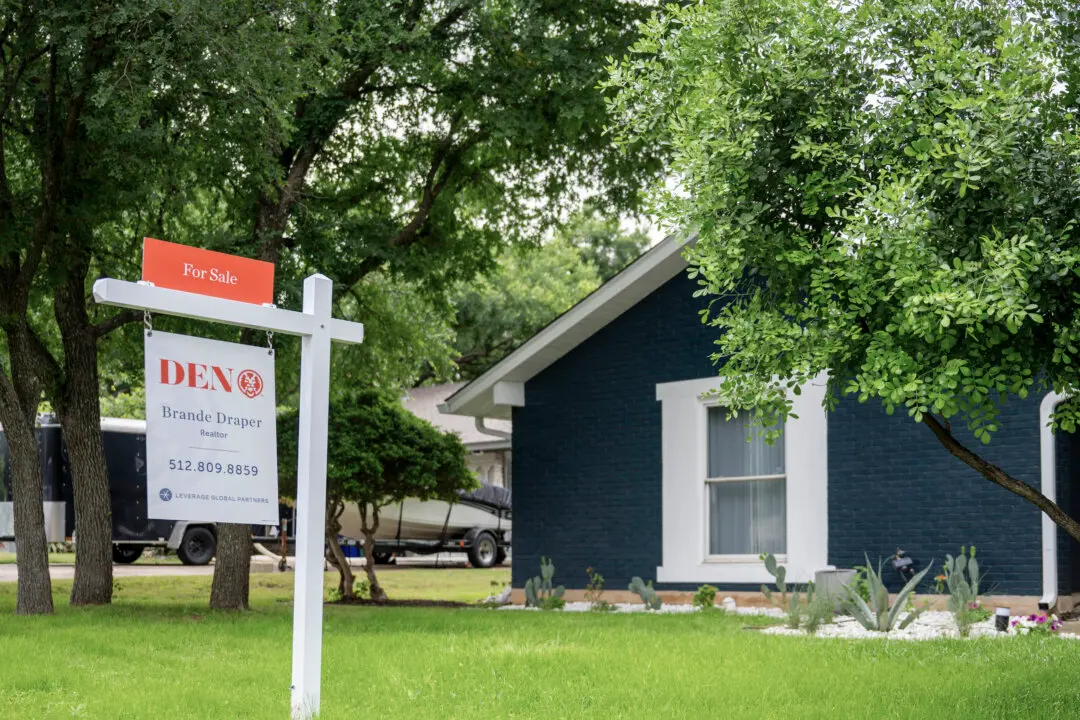
Diane Mitchell, a successful real estate broker, said she enjoyed living and working in suburban New York City for 27 years before recently retiring. Rather than retiring in place, she moved to southern Delaware, settling just 10 miles from the Rehoboth Beach resort area.“I was going to wait until I was 75, but while attending an event there in 2024, I decided not to wait any longer,” she told The Epoch Times.
Now 73, Mitchell said that she is ready for a new lifestyle in an area that offers not only affordability but also easy access to everything she needs, from grocery stores to health care facilities.A former corporate executive with DuPont and Bayer in Delaware, she already knew people in the area and always liked what the region had to offer.
In late 2025, she placed her 2,300-square-foot, single-family New York home on the market and received an offer over asking price within just three days. With the proceeds, she was able to purchase a newly constructed 1,900-square-foot single-family home for $400,000. Her real estate taxes also plummeted to a little more than $1,000 a year.
According to the analysis, Oklahoma’s average cost of living is $51,858, including annual expenditures of $29,411 after Social Security. The average retiree would need about $735,284 in savings to retire comfortably.
Other low-cost states identified in the report include Arkansas, Alabama, West Virginia, Mississippi, Missouri, Tennessee, Iowa, Indiana, Texas, and North Dakota.
In Hawaii, the annual cost of living is $110,393, with more than $87,956 in annual expenditures after Social Security, requiring the average retiree to have $2.2 million in savings to retire comfortably.
Massachusetts and California also rank among the highest. In Massachusetts, residents need an average of $1.75 million in savings, and in California, the figure is $1.53 million.
The cost of living in New York, where Mitchell used to live, requires residents to save $1.38 million to retire comfortably. The cost of living in Delaware, where she has settled, requires $1.01 million.