Hedge fund billionaire Ray Dalio and his wife Barbara have donated around $75 million to Trump Accounts for children in Connecticut.
The Connecticut donor is the first to take the 50 State Challenge, which asks for funding for the soon-to-open kids’ investment accounts.
According to Treasury Secretary Scott Bessent, the 50 State Challenge, launched on Dec. 17, is set up to invite “every philanthropist, and every state across the country to partner with us in building generational wealth for America’s children.”
Dalio is the founder of Bridgewater Associates and the author of the New York Times bestselling book “Principles.”
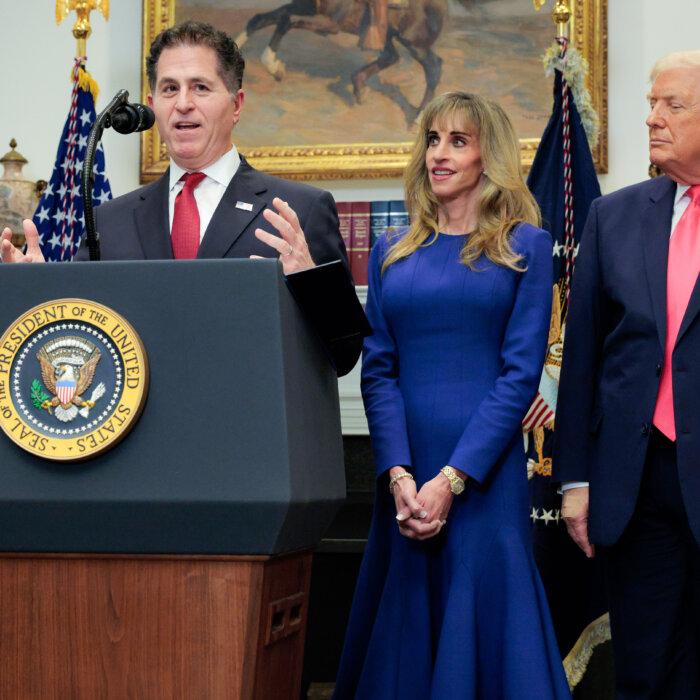
The East Coast hedge fund philanthropist will match the $250 donated by the Dells to fund accounts of children born before Jan. 1, 2025. All children who are U.S. citizens born after the first of this year and before the end of 2028 will receive $1,000 from the federal government to start their accounts.
The Dalios are matching the $250 contribution per child for approximately 300,000 children in their home state of Connecticut.
The Dells kicked off donations to the funds with the single largest philanthropic gift in recent U.S. history—$6.25 billion—to go into the new government-backed Invest America accounts for children.
The investment program will give every child under 18 with a Social Security number access to a federally overseen savings and investment account that families can activate beginning July 5, 2026.
The donations by both the Dells and the Dalios will go to children in zip codes where the median income is less than $150,000 annually.
“By providing children with savings accounts that compound over time we are providing them with early insights into financial literacy and a path towards financial independence,” said Dalio. “I applaud President Donald Trump, [Bessent], the Dell Family, and many others who have spearheaded this initiative.”
After the child is enrolled, a financial institution will receive the funds and activate the account. Parents can then contribute to the account or let it grow through investment in American companies.
Families and community members may contribute up to $5,000 total per year. Employers may contribute up to $2,500 annually to an employee’s child, and philanthropic or government contributions are uncapped.
At the age of 18, the child can withdraw the funds for qualified purchases, and the account will automatically convert to a traditional Individual Retirement Account. The funds can keep growing if the money is not withdrawn.
Trump called the accounts the first real trust fund for American children, saying that the donated and invested funds will grow over the course of their childhood to benefit them as adults.
“These accounts will track the overall stock market, will be 100 [percent] private property controlled by the child’s guardians,” he said.