Without a federally supported market and strategic reserve stockpile, the United States will remain reliant on China for critical minerals and rare earth refining, experts told a House panel during two-plus hours of testimony on June 24 that exposed how vulnerable the global economy and the nation’s defense is to the whims of the Chinese Communist Party.
Even with swift deregulation, permitting reform, and rapid recycling ramp-up, they warned, it will take years of government support to untether domestic manufacturing from a supply chain China has strategically built for decades.
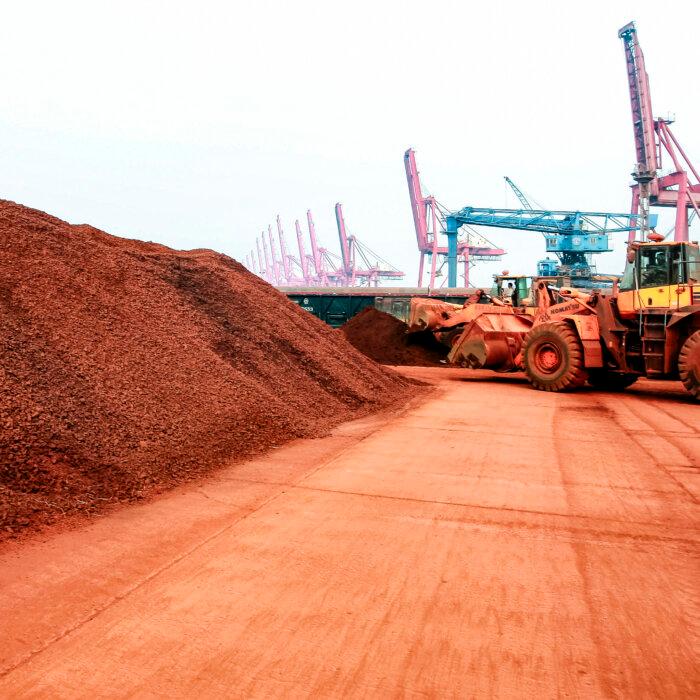
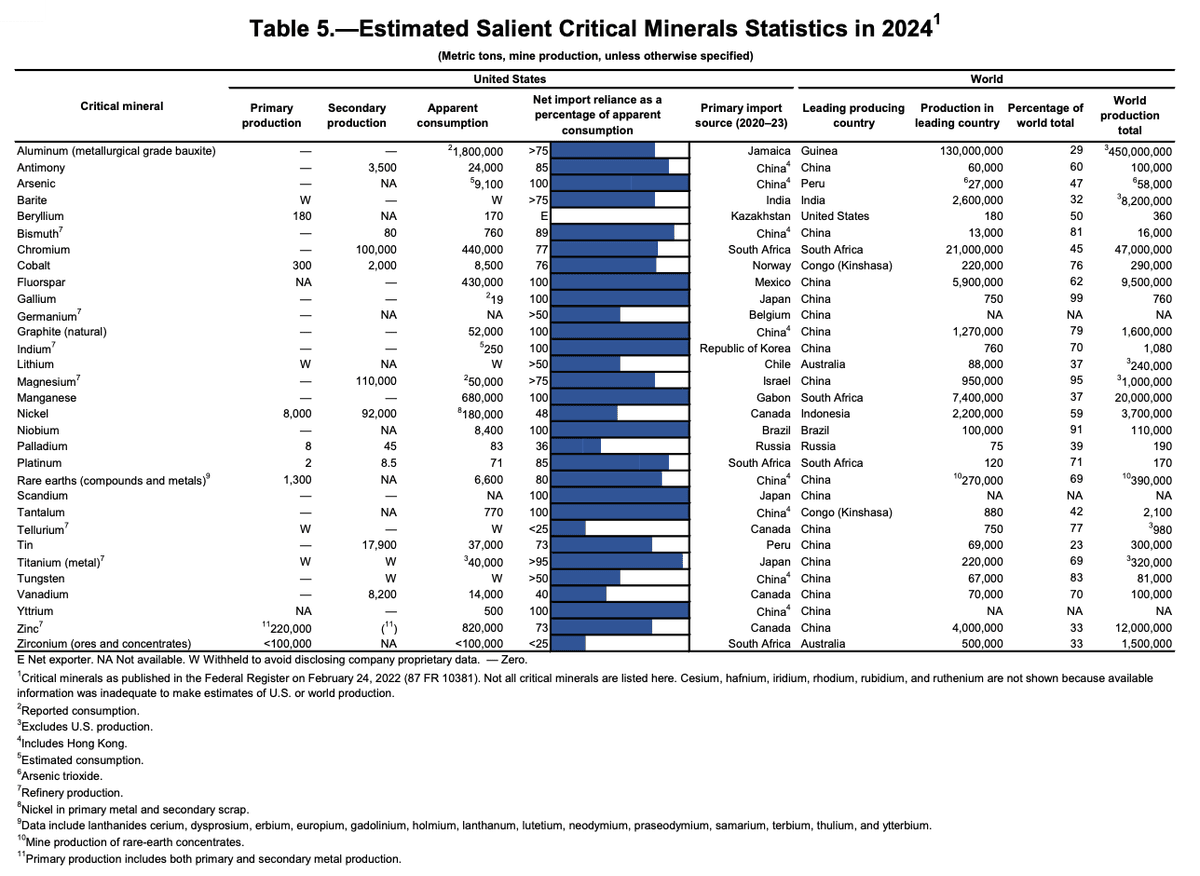
China, meanwhile, is the lead source for eight and the near-exclusive provider of 17 minerals needed for a rapidly electrifying economy. China processes two-thirds of the world’s lithium and cobalt, supplying 60 percent to 90 percent of the world’s processed minerals.

According to the survey, the United States is 100 percent import-reliant on the 17 rare earth elements, defined under a single banner among the 31 critical minerals in USGS’s January commodity summary.
The episode underscores why “this country can no longer have the Chinese knee on our neck,” Kaye told the House committee. “It’s a matter of growing urgency. We find ourselves, quite frankly, in a precarious position.”
The Utah-based company is extracting gallium first, Kaye said.
Fast-41 “holds the various agencies responsible for approvals to a very strict timetable,” Kaye said. “Our plan is to extract from our deposit literally this year and be able to, in effect, stand on the steps of the White House and/or Congress with a bag of gallium … found in Montana, processed with American technology, and available for the defense of this country and, indeed, the free world.”
But much more is needed to swiftly develop “a domestic marketplace … to avert Chinese price manipulations,” he said.
“We can’t wait 15-20 years to bring a deposit online.”
Strategic Stockpiles
Rare Earth Resources President and Chief Executive Officer Ken Mushinski in his testimony reiterated Kaye’s call for a federally subsidized critical mineral and rare earth element market independent of China.“China flooded the market and almost bankrupted our company,” he said. “As a result … [its] access to capital quickly disappeared, ultimately resulting in cessation of operations—due solely to a lack of funds and project economics.
“We cannot compete with predatory Chinese market dominance,” Mushinski said, and the nation “cannot be reliant on China.”
The rare earth market is “a niche market” that few publicly traded corporations are willing to invest in, he said.
“These unique challenges require a multi-faceted approach to market stabilization,” Mushinski said, encouraging Congress “to enact policies … potentially envisioned by the $2.5 billion critical minerals stockpile” included in the reconciliation package currently considered by lawmakers, the One Big Beautiful Bill Act.
He outlined four imperatives: “Government purchasing to establish strategic stockpiles; grants unlocked for industry innovation; guarantees to encourage private investment and loans; permitting reform to bring surety to project timeliness.”
But more federal and state investment is needed, he said.
“The technology is ready. The market need is undeniable. The national security imperative is urgent,” Dowd said. “We need to now unlock the economic value beneath our feet and secure America’s mineral future.”
The United States has 1.9 million tons of rare earth elements in reserves, according to the 2025 USGS Mineral Commodities Report, she noted. “However, there is far more locked in our waste materials,” she said.
Many critical minerals and rare earth elements can be mined in the United States or in non-adversarial nations, but without “midstream” refining capacity, “we are sending our concentrate abroad for refining and, 99 percent of the time, that’s going to be in China.”
Stoy cited Ames National Lab researchers, who estimate that within 10 years, “more than 25 percent of the demand for rare earth could come from recycling efforts,” but that will require consumer awareness and subsidized processing.
For “‘hardtech’ startups, government funding is essential,” she said.
“It provides early-stage capital needed for high-risk projects with immense potential, but limited investor interest. Government funding acts as a third-party validation attracting private capital and allowing us to make tangible progress on critical milestones.”