A group of public health organizations, a parent, and a pediatrician filed a lawsuit against the Food and Drug Administration on July 14, challenging a recent agency guidance allowing the sale of e-cigarette and nicotine pouch products without premarket authorization.
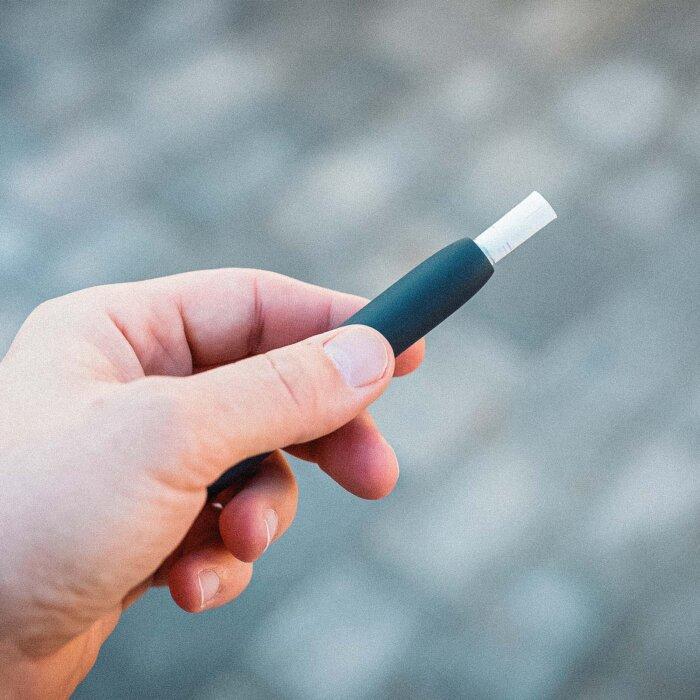
The FDA guidance, issued in May, pertains to two types of tobacco products: oral nicotine pouches and electronic nicotine delivery systems (ENDS), such as e-cigarettes, vape pens, and hookah pens. Generally, tobacco products must secure premarket authorization to be legally sold in the United States. This involves a manufacturer submitting a premarket tobacco product application (PMTA) with scientific data demonstrating that the product is appropriate for the protection of public health, the agency said at the time.
Plaintiffs in the case include the Campaign for Tobacco-Free Kids, American Academy of Pediatrics, American Cancer Society Cancer Action Network, American Heart Association, American Lung Association, Truth Initiative, and Parents Against Vaping E-Cigarettes, along with a pediatrician and a parent whose children became addicted to nicotine after using flavored e-cigarettes.
The FDA’s guidance said that for ENDS and oral nicotine pouch products, the agency “generally does not intend to prioritize enforcement of the premarket authorization requirement.” This exemption applies under certain conditions, for instance, if the product’s manufacturer has already submitted a PMTA that the FDA has accepted and filed but has not yet fully reviewed.
The lawsuit criticized the lack of full review, stating that a PMTA being accepted and filed “does not entail a substantive scientific review of the PMTA nor any assessment of a product’s public health implications.”

The Tobacco Control Act requires all tobacco products introduced after Feb. 15, 2007, to secure a marketing-granted order from the FDA before being made available in the market, the complaint said. This order is issued only after the FDA evaluates the scientific information in the manufacturer’s PMTA.
“Now FDA is attempting to allow large numbers of new tobacco products to enter the market without complying with the statutory premarket review requirement,” the plaintiffs said.
In its guidance, the FDA clarified that the enforcement exemption for ENDS and oral nicotine pouch products only applies as long as these items do not have any elements appealing to underage children, such as depictions of cartoon-like fictional characters or resemblance to children’s toys.
The FDA will not prioritize enforcement if the product is non-tobacco flavored.
The FDA also said that many applications have been “administratively incomplete,” including a lack of manufacturing information, test method information and validation, information on all ingredients, and potential health risks.
“By not prioritizing these tobacco products for enforcement, FDA will be able to better allocate its enforcement resources,” the guidance states.

In their complaint, the plaintiffs said that the FDA previously issued guidance in 2017 that had allowed most e-cigarettes to be sold in the United States without authorization. The guidance was eventually vacated by a court. In a March 2019 statement, FDA Commissioner Scott Gottlieb said there was an “epidemic-level rise in youth e-cigarette use.”
The lawsuit warned that “if the new Guidance stands, it will cause similar harm to our nation’s youth and the parents and doctors who care for them.” The complaint also alleges that the guidance was issued without an opportunity for public comment.
Youth E-Cigarette Use
A June 23 study published in the journal Nicotine & Tobacco Research, which assessed data from the 2025 National Youth Tobacco Survey, estimated that more than 2 million high school and middle school students used tobacco within 30 days preceding the survey.This is about 7.2 percent of the total high school and middle school student population. An estimated 5.2 percent of students used e-cigarettes, while 1.7 percent used nicotine pouches, according to the study.
“In addition, among youth who currently used e-cigarettes and nicotine pouches, persistent frequent use patterns and widespread flavored product use were common,” the study said.
Multiple studies have found vaping, or e-cigarette use, to be harmful.

“There is no doubt that the cells and tissues of the oral cavity, the mouth and the lungs are altered by inhalation from e-cigarettes,” lead author adjunct professor Bernard Stewart, a cancer researcher from Australia’s University of New South Wales, said in a statement at the time.