FORT PIERCE, Fla.—Prosecutors called their last witness on Sept. 19 in the trial of Ryan Routh, the man accused of attempting to assassinate then-presidential candidate Donald Trump, and sought to triangulate the suspect’s movements in the weeks leading up to the incident using cellphone location data.
The trial began with jury selection on Sept. 8 and is running ahead of the scheduled three-and-a-half-week timeline that District Judge Aileen Cannon had originally blocked off.
Jurors have heard seven days of testimony from government witnesses, including FBI agents, the Secret Service agent who allegedly first spotted Routh in the tree line at Trump International Golf Club in West Palm Beach, Florida, in September 2024, and the civilian who identified Routh as the suspect following his arrest.
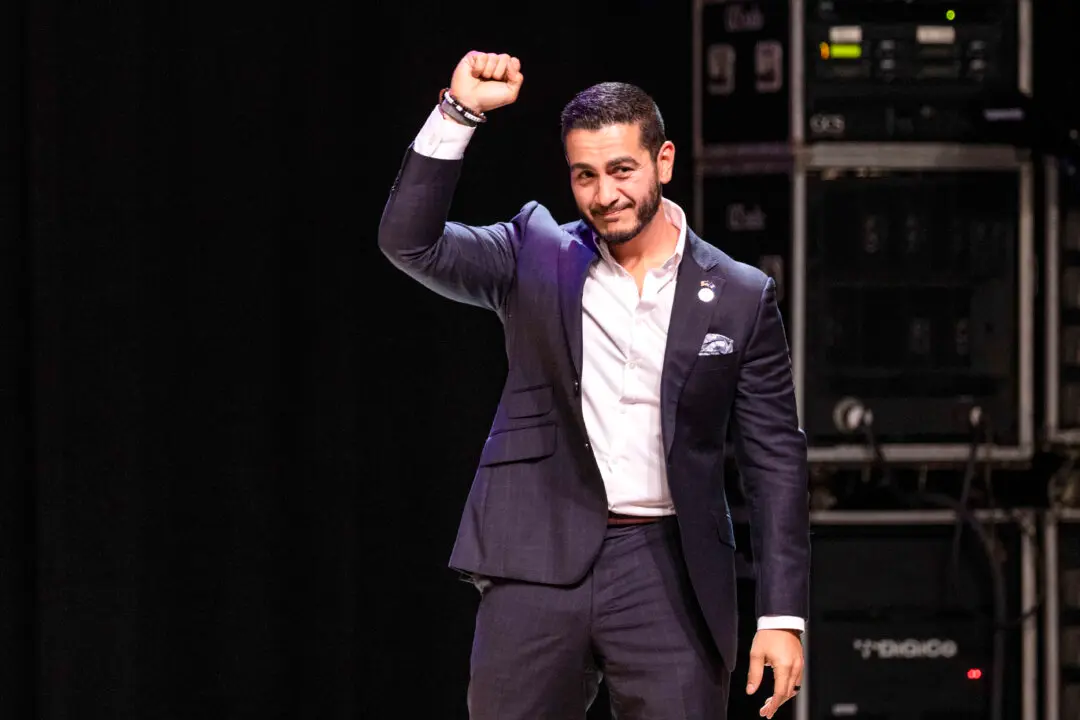
Routh, who is representing himself, has pleaded not guilty to multiple charges, including assaulting a federal officer, attempting to assassinate a major presidential candidate, and several firearm violations.
Cellphone Location Data, Alleged Surveillance of Trump
Prosecutors spent much of Sept. 19 retracing Routh’s movements in the months and weeks leading up to the alleged assassination attempt on Trump on Sept. 15, 2024.According to FBI Supervisory Special Agent Kimberly McGreevy, Routh was found with multiple prepaid—or “burner”—cellphones, including one with an area code for West Palm Beach, Florida, and another registered in Greensboro, North Carolina.
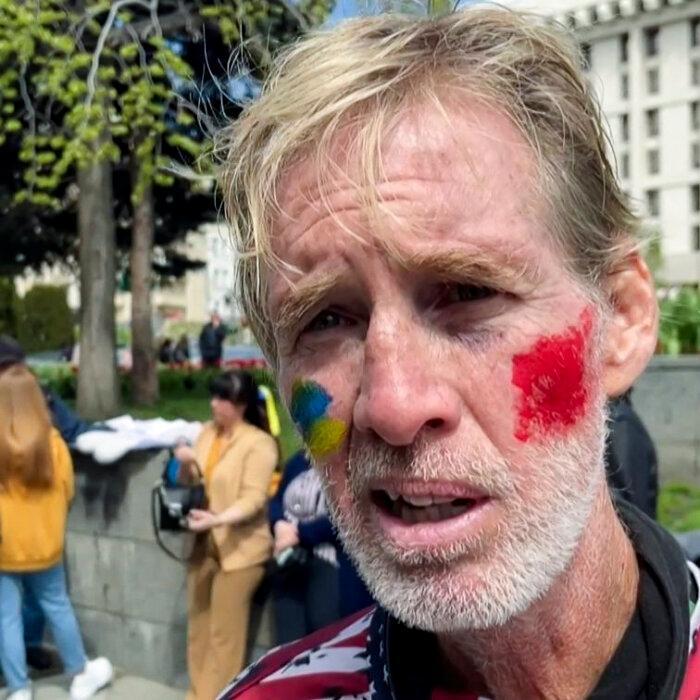
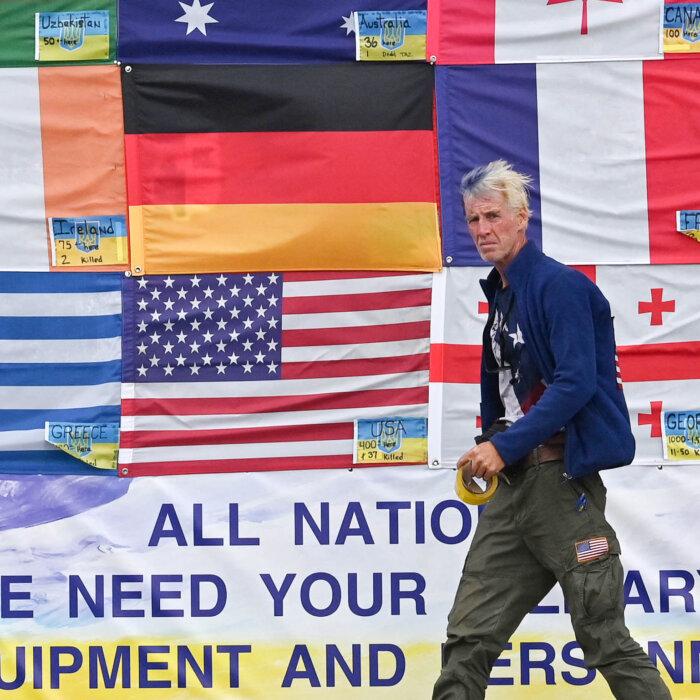
Describing Routh’s alleged movements and activity between March 2024 and September 2024, McGreevy claimed that it amounted to “surveillance” of Trump. Location data tracked Routh’s black Nissan Xterra to Palm Beach International Airport, where prosecutors alleged he was conducting surveillance of Trump’s private plane coming and going from the airport on multiple occasions.
Airport cameras showed a man who appeared to be Routh walking inside without a bag and looking out a window as Trump’s plane was about to depart. Routh also allegedly took photos of Trump’s plane on the tarmac from one of his burner phones, McGreevy said.
Numerous traffic camera photos also show Routh’s Nissan Xterra on streets near Trump’s West Palm Beach golf club, with multiple license plates to avoid detection, prosecutors say. He would eventually take up residence at a Marathon truck stop not far from the golf club; receipts indicated that he paid for overnight parking at the truck stop.
Weekslong Planning
Prosecutors showed evidence that Routh allegedly planned to assassinate Trump for months before the day that he was ultimately arrested. Routh had sent text messages to several associates, allegedly indicating his desire to see Trump eliminated before the election.McGreevy alleged that Routh was essentially “stalking” Trump’s schedule with as many digital tools as he had at his disposal. Routh allegedly searched Trump’s campaign schedule repeatedly and tried to obtain tickets to attend an event.
Routh was also accused of using flight tracking software to surveil the president’s plane coming and going from Palm Beach International Airport, which prosecutors say allowed Routh to watch the plane leave in the video surveillance footage.
Prosecutors also accused Routh of searching Palm Beach County’s live traffic cameras at the intersection of Southern Boulevard and Congress Avenue, where they say he would have been able to see Trump’s motorcade coming and going from the airport, which is less than a mile from the golf club.
Escape Plan
Routh was considering an escape plan in the event that he was able to flee from his hideout near the sixth hole at Trump’s golf club on Sept. 15, 2024, prosecutors alleged.The government showed searches from one of Routh’s burner phones for flights out of Miami International Airport to cities such as Mexico City and Bogota, Colombia. Routh also allegedly searched for driving directions from West Palm Beach to the Miami airport, and did a search for how many miles it would take to drive from South Florida to Laredo, Texas, which sits on the U.S.–Mexico border.
DNA Evidence
This week, an FBI analyst testified that DNA sampled from the scope affixed to the SKS-style rifle found at the hideout near the sixth hole at Trump’s golf club matched Routh’s.Routh’s DNA was also found on more than two dozen other items collected at the crime scene, prosecutors said.
In 2024, when Routh was first arrested in relation to the crime, investigators said they had matched a fingerprint found on a piece of tape attached to the rifle that seemingly matched Routh’s fingerprint.
Trial Moving Rapidly, Brief Cross-Examinations
Routh’s trial has been moving ahead of Cannon’s original three-and-a-half-week schedule. He is expected to call his first witness on Sept. 22.Part of the reason for the rapid pace is the brevity of Routh’s cross-examinations of several government witnesses.
However, Routh spent considerable time cross-examining McGreevy on Sept. 19, disputing the claim that he was visiting Palm Beach International Airport to surveil Trump’s private plane and instead suggesting that he was there simply to watch planes in general.
After the government presented a set of song lyrics that Routh wrote that allegedly described his intentions to “put a cap in” or shoot Trump, which featured lines such as “bullets fly round and round” and “time to get out of town before they chase me down,” Routh said the song was an attempt at art and protected by the First Amendment.
When asked, McGreevy said that a piece of art is not necessarily protected by the First Amendment and could become criminal evidence if it’s tied to a specific threat to a specific person. She said Routh’s lyrics amounted to a direct threat to Trump’s life.