Despite previous deadly Legionnaires’ disease outbreaks, union representatives say there is a shocking lack of preventive oversight in New York City’s infrastructure.
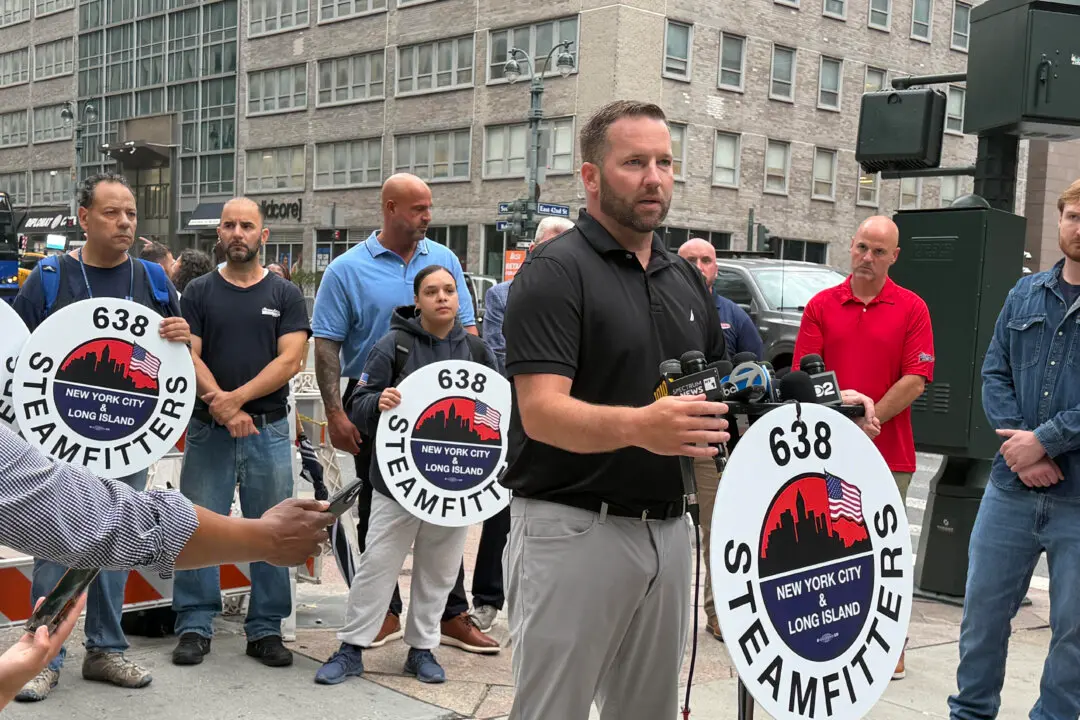
UA Plumbers Local 1 representatives warn that domestic water systems supplying NYC cooling towers with water also need to be tested, and not just rooftop cooling towers.
“Why not test domestic water so when cooling towers get cleaned out on one of those properties, there’s also testing going on for the domestic water,” Local 1 Business Manager Paul O’Connor told The Epoch Times.
“Why not just close the whole loop on this?”
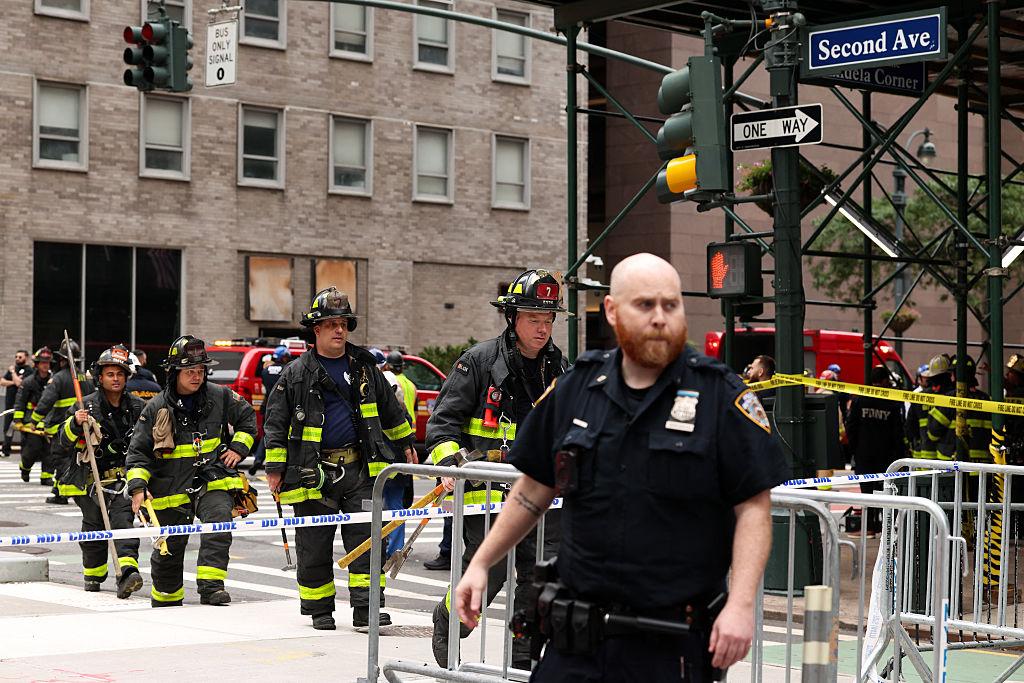
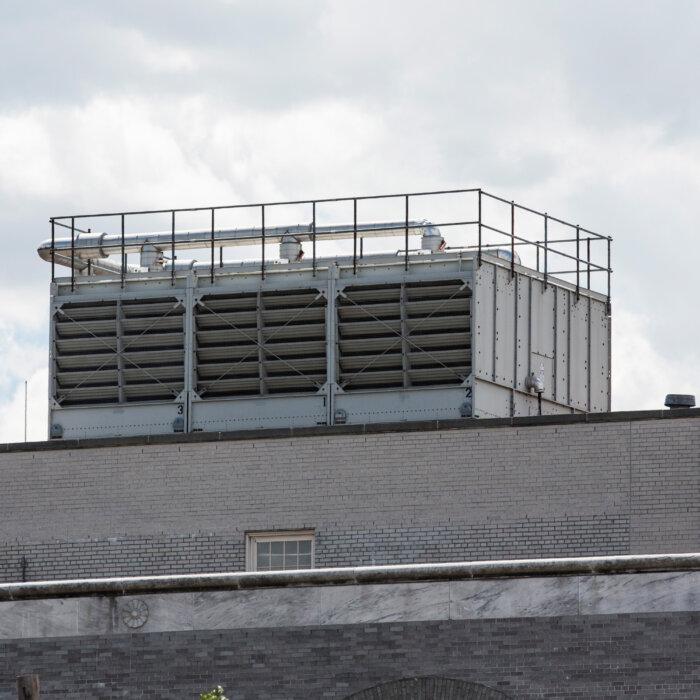
The charge comes amid a rapidly escalating Legionnaires’ disease outbreak on the Upper East Side, where the number of buildings ordered to disinfect their cooling towers more than doubled to 76 this week.
The health department has sampled 183 cooling towers in the affected ZIP codes and completed all initial screening tests.
O’Connor called for future testing to be conducted by third-party, licensed, and insured master plumbers.
“Those licensed and insured plumbing contractors would be able to tell you where the concerns would need to be as far as locations in the building,” he said.
NYC Health Department Assistant Press Secretary Gilda D. Gillim said the Upper East Side cluster has nothing to do with a building’s internal drinking or hot water system.
“The plumbers are suggesting that they should be the consultants hired for testing NYC buildings,” Gillim told The Epoch Times.
“The NYC Health Department follows New York City’s established public health and regulatory framework for Legionella prevention and response.
“Building owners are responsible for complying with applicable laws governing cooling tower operation, maintenance, testing, and remediation, while the Health Department oversees compliance and leads epidemiologic investigations when disease clusters are identified.”
Thursday, July 16, is the deadline for all buildings that tested positive to complete mandatory flushes.
In April, the Plumbers Union held a town hall with industry experts and city leaders to propose a uniform building water safety standard requiring mandatory quarterly or biannual testing.
However, O’Connor said the city offered no official response at the time.
“We have been asking for domestic water testing in buildings because the cooling towers and roof tanks are fed by the domestic water, which is the same water that we drink in our buildings,” O’Connor said.
New York City health officials announced on July 14 that 60 people were sickened, and 15 were hospitalized in zip codes 10028, 10128, and 10075 that span Carnegie Hill and Yorkville.
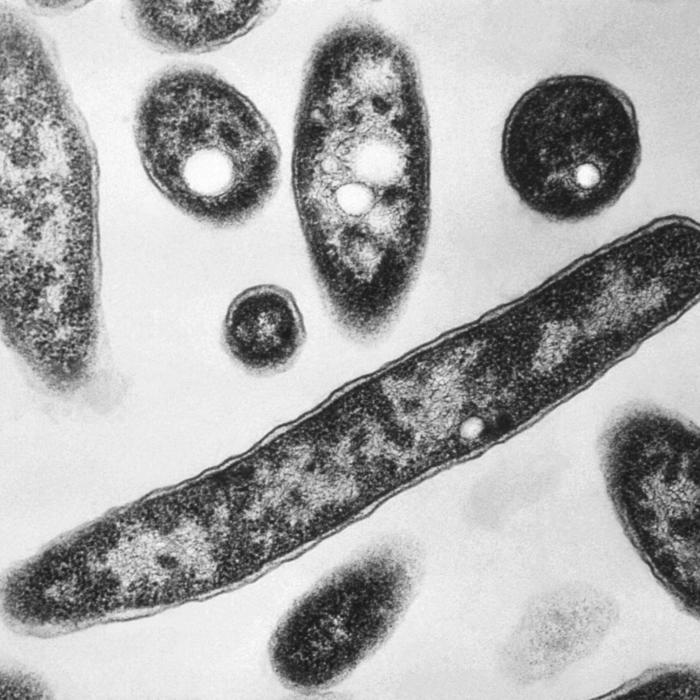
The illness is treatable with antibiotics. In 10 percent of cases, however, Legionnaires’ can be fatal, according to the U.S. Centers for Disease Control and Prevention.
During a 2025 outbreak in New York’s Harlem neighborhood, seven people died, and more than 100 fell ill.
“We don’t understand why we have to wait for the announcement coming out of a cluster of buildings in uptown Manhattan for people to get sick,” O’Connor said.
This week, management at The Ardsley, a co-op located at 320 Central Park West, sent an urgent memo warning shareholders that Legionella had been detected in the building’s domestic hot water system.
The notice, published in the West Side Rag from management at The Ardsley, announced that the co-op had retained Metrogroup, a water-management consultant.
The Ardsley’s positive test suggests there could be pockets in old buildings where water may become stagnant or trapped in the pipes and serve as an incubator for bacteria to grow, according to union experts.
“The Ardsley went out and did a proactive reporting approach, and then why not have other buildings do that, not just them,” O’Connor added.
“Good on that owner for stepping up and doing that and then admitting it and then saying, ‘I’m bringing a specialist to take care of the problem’.”
The Ardsley is located in zip code 10025 and is not part of the Upper East Side disease cluster.