WASHINGTON–President Donald Trump told Philippine President Ferdinand Marcos Jr. the two nations are recalibrating their ties and minimizing influence from the Chinese Communist Party, when the leaders met at the White House on Tuesday for bilateral talks focused on security and trade.
“The country was maybe tilting towards China, but we un-tilted it very, very quickly,” Trump said during the nearly 40-minute Oval Office meeting. “You had a country that was tilting toward China for a period of time, and I just don’t think that would have been good for you.”
Trump said his election victory in November changed the trajectory of the relationship.
Marcos, sporting traditional Philippine attire, expressed gratitude for the opportunity to visit the White House with his delegation, which included Theresa Lazaro, Department of Foreign Affairs secretary, and Gilberto Teodoro Jr., Department of National Defense secretary, among others.
He highlighted the importance of the U.S.-Philippine partnership to his home country.
“These days, especially in my part of the world, this has become as important a relationship as it is possible to have,” Marcos said during the meeting.

“The cultural memory of most Filipinos, down to even school children, is that our strongest, closest, most reliable ally has always been the United States.”
Balancing foreign relations while maintaining national security is a delicate process, he said.
“Our foreign policy is an independent one, and we are essentially concerned with the defense of our territory and the exercise of what’s wrong and right,” Marcos said.
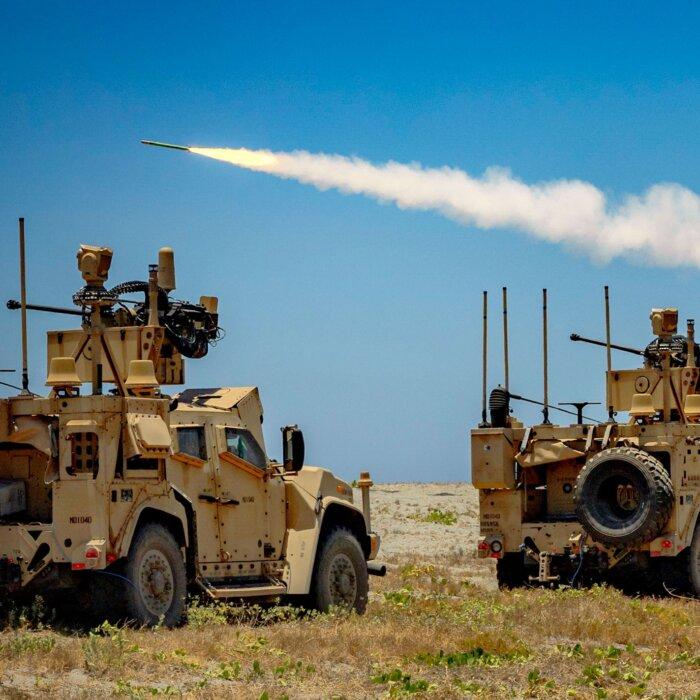
A security deal that includes ammunition and missiles touted by Trump during the exchange will help secure the region, according to both leaders.
“Like in any military spending, we wish it wasn’t necessary, but it is, so that’s what we’re doing,” Marcos said.
He also plans to meet with business leaders committed to investing in his country, according to a statement from his office.
Topics of interest for the United States include regional security and economic negotiations, with 20 percent tariffs on products from Southeast Asian countries set to take effect on Aug. 1.
Marcos met with Secretary of State Marco Rubio and Defense Secretary Pete Hegseth on Monday.
According to statements from the State Department and the Department of Defense, the two countries are strengthening ties amid tensions in the South China Sea, where the Chinese communist regime is threatening regional and economic interests with aggressive posturing.
Hegseth said the allies will work together to achieve peace using a strategy of strength, noting that the South China Sea and the Asia-Pacific region are a priority for the U.S. military.
Military readiness includes “deploying new cutting-edge missiles and ... unmanned systems, and revitalizing our defense industrial base” as part of the country’s long-term strategy, Hegseth said.