
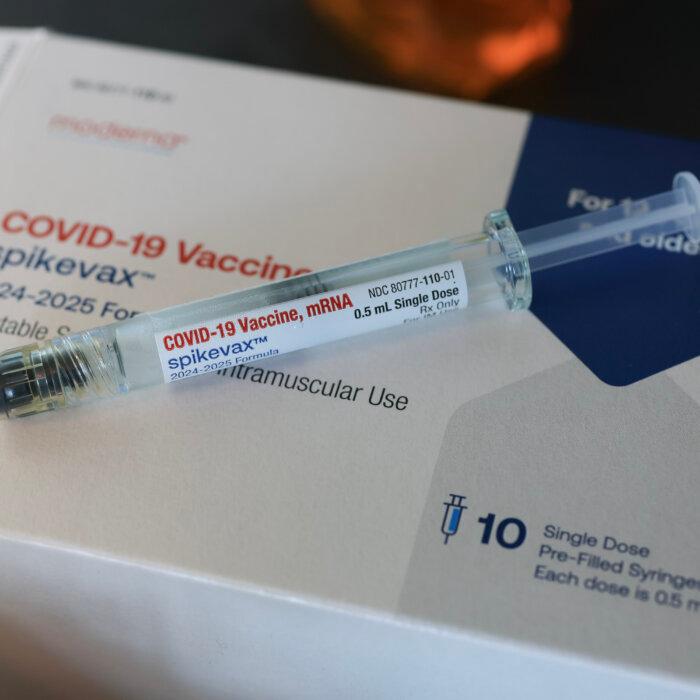
Pfizer’s modified messenger RNA influenza vaccine prevented influenza better than an already-available shot, according to newly published results from a clinical trial.
The trial was among healthy adults aged 18 to 64 and ran during late 2022 and early 2023 in the Philippines, South Africa, and the United States.
Of 18,476 participants, 9,191 received Pfizer’s vaccine. The rest received the existing shot.
When analyzing the efficacy of the experimental vaccine, there were 57 influenza cases in the group that received it, compared to 87 cases in the control group. The researchers only counted cases that occurred at least 14 days after vaccination. In a supplemental analysis, researchers pegged the efficacy at 35.8 percent at least 7 days following a shot.
Influenza A viruses caused nearly all cases in the trial, which researchers said meant they could not confirm whether the Pfizer vaccine worked better against influenza B viruses.
People who received Pfizer’s vaccine had heightened odds of experiencing adverse reactions, such as fatigue and headache. Seventy percent reported reactions, compared to 43.1 percent of the group that received the existing vaccine.
“The modRNA vaccine had statistically superior efficacy over the control vaccine ... but was associated with more reactogenicity events,” the researchers stated.
The trial was funded by Pfizer, and a number of authors reported being employed or paid by Pfizer in their disclosures.
Listed limitations of the research included the analysis covering a single influenza season and participants being healthy.
Udi Qimron, a professor at Tel Aviv University’s Department of Clinical Microbiology and Immunology who was not involved with the study, reviewed the paper.
“Its findings cannot show real protection or clarify the true rate of side effects,” Qimron, who holds a doctorate in immunology, told The Epoch Times in an email. “The comparison was only against another existing flu shot, which makes the reported benefit mostly meaningless in practical terms.”
He also noted that the trial did not include groups at the highest risk from influenza, including elderly individuals, and said the total number of cases were small, “making the statistical claims weak.”
Drs. Hana El Sahly and Robert Atmar, in an editorial published by the New England Journal of Medicine about the trial, said that utilizing mRNA vaccines against influenza will hinge on lowering the rate of adverse events and making sure they are effective against various strains.